
Compact disc player
A device that reads audio stored on a compact disc and converts digital data into audible sound using an optical pickup, digital decoding and analog conversion.
A compact disc player is an electronic device designed to read digitally encoded audio from a compact disc and reproduce it as audible sound. The player reads a pattern of binary data imprinted on the disc surface, interprets the stored encoding and error-correction information, converts the digital stream into an analogue signal, and passes that signal on to amplification and loudspeakers. A CD player typically follows the standard defined in the Red Book audio specification and is optimized for the physical and logical structure of audio discs such as compact discs and related formats. The raw digital information that the pickup reads is often referred to as binary data in technical descriptions.
Image gallery
10 Images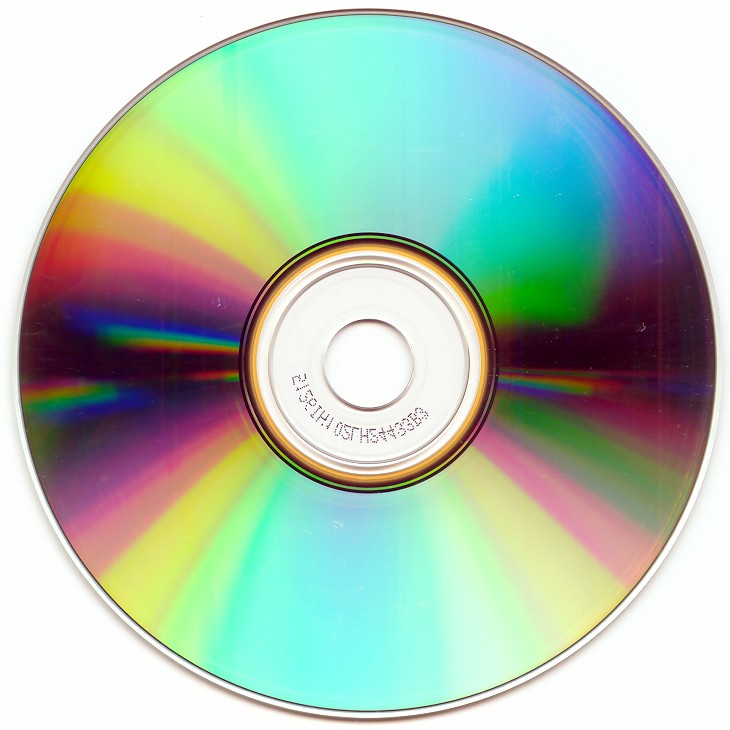


Key components and reading process
At the heart of a CD player is the optical pickup assembly. This contains a low-power laser, focusing optics and an optical sensor that converts reflected light into an electrical signal. The disc surface carries a spiral track of pits and lands (microscopic depressions and flat areas). As the disc spins, the laser follows the spiral and reflections from pits and lands are detected; changes in reflection correspond to digital transitions that are interpreted as bits. A spindle motor controls disc rotation while a sled mechanism and servos position the pickup so it can follow the spiral accurately. The disc also contains a table of contents and special areas that tell the player where tracks begin and end.
Data encoding and error correction
Audio on a standard CD is encoded using pulse-code modulation and then processed with modulation and error-correcting codes to make playback robust. Compact discs use specific modulation (designed to limit long runs of identical bits) and interleaved Reed–Solomon based error correction to detect and conceal defects such as scratches or dust. These layers allow many small surface errors to be corrected without audible disturbance; larger errors may be concealed or result in brief dropouts. The Red Book standard also fixes sampling and word length parameters for audio CDs, which ensures compatibility among players and discs.
Digital-to-analogue conversion and output
Once the player reconstructs a clean digital audio stream, it sends the samples to a digital-to-analogue converter (DAC). The DAC outputs a varying voltage that represents the waveform. That analogue signal is usually processed by a line-stage and then by an amplifier before driving a speaker to produce sound. Many modern players use oversampling, digital filtering and interpolation in the decoding path; mathematically this involves signal-processing algorithms (sometimes expressed in matrix form for multichannel or filter designs) to reconstruct a smooth waveform from discrete samples, which improves perceived fidelity and reduces audible artifacts. Refer to the concept of a matrix in signal processing for advanced implementations.
History and development
The compact disc format and the first commercial players were developed in the late 1970s and early 1980s through a collaboration between major electronics companies. The format quickly became the dominant medium for recorded music because of its convenience, durability compared with analog media, and consistent digital quality. Portable CD players and multi-disc changers expanded use in the following decades. With the rise of digital downloads and streaming, standalone CD players are less central to mainstream listening but remain important for collectors, audiophiles and archival applications.
Uses, variations and notable distinctions
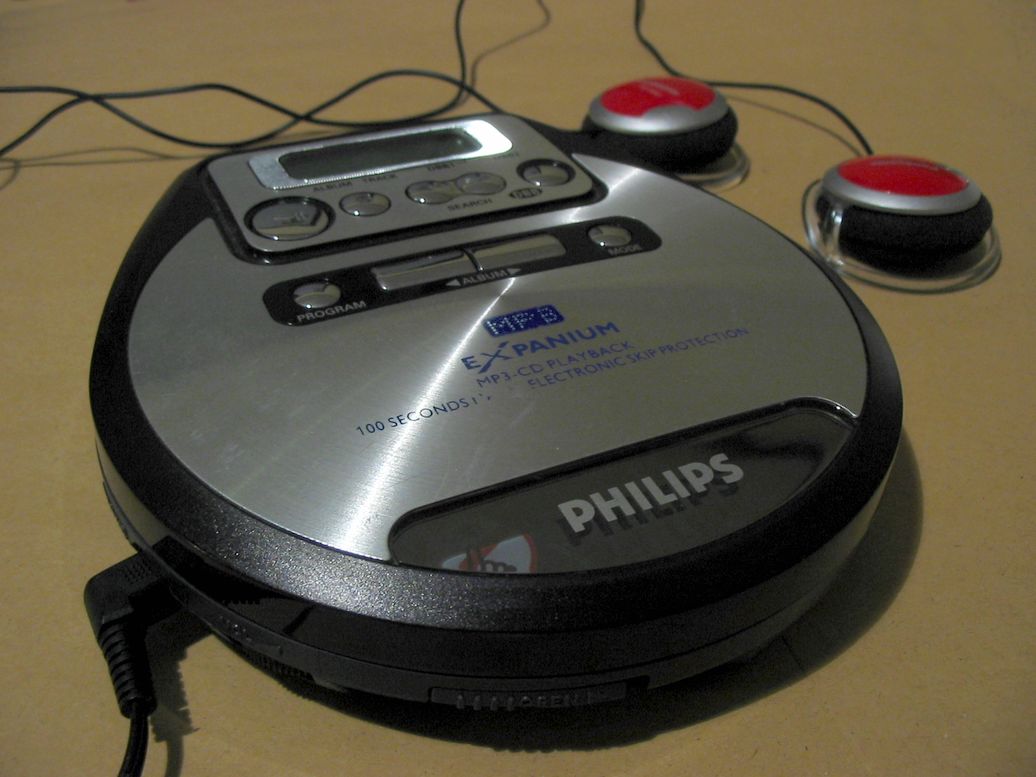
CD players range from simple portable units to high-end audiophile components and professional players for broadcast. Variations include CD-ROM drives for computers, CD-R and CD-RW compatible players, and multi-format drives that also read DVDs. Important practical features include anti-skip buffering, region-free or format compatibility, and maintenance considerations such as lens cleaning and careful handling of discs. Although the basic mechanism for reading pits and lands is common across players, design choices in optics, servo control, digital processing and analogue output can produce noticeable differences in behavior and sound.
- Overview: reads encoded audio from a disc and outputs sound.
- Primary parts: laser pickup, spindle motor, decoder, DAC, amplifier.
- Encoding: modulation + error correction for resilient playback.
- Applications: home audio, portable players, archival and professional use.
Related articles
Author
AlegsaOnline.com Compact disc player Leandro Alegsa
URL: https://en.alegsaonline.com/art/22200