
Rennes (Roazhon) — Prefecture of Brittany, France
Rennes (Breton: Roazhon) is the prefecture of Brittany and the Ille-et-Vilaine department in northwestern France, known for its historic center, universities, culture and transport links.
Overview
Rennes is a city in France serving as the prefecture of Ille-et-Vilaine and the principal city of Brittany. Its Breton name is Roazhon. The city combines a historic urban core with modern neighborhoods and serves as an administrative, educational and cultural hub for the region.
Image gallery
10 Images


Characteristics and urban fabric
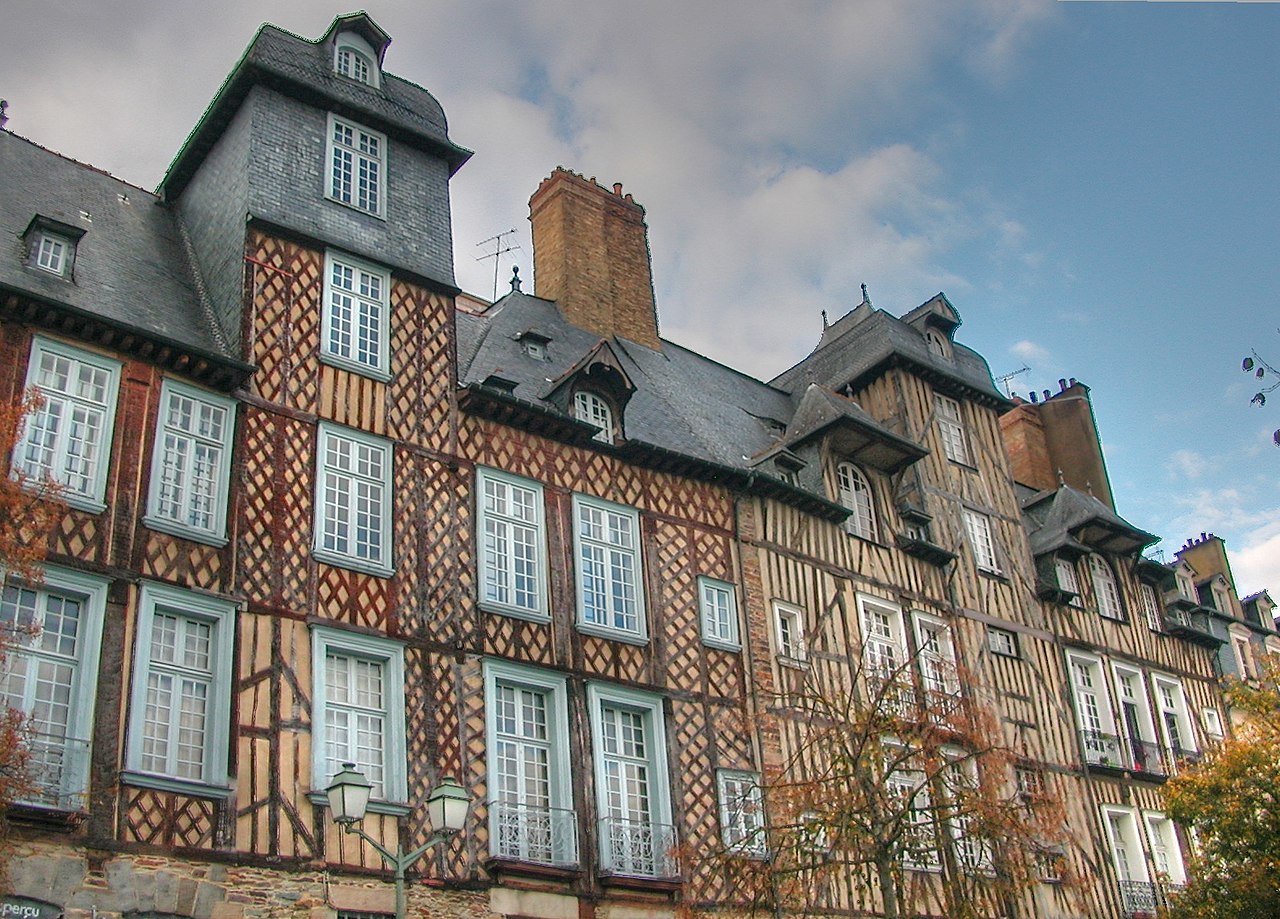
Rennes is notable for a well-preserved medieval center with narrow streets and timber-framed houses, contrasted by large classical buildings from later rebuildings. Green spaces, such as the Parc du Thabor, and a lively market at the Place des Lices mark the public life of the city. The built environment reflects successive periods of development, including significant reconstruction after major fires in the past.
History and development
The site's history stretches back to antiquity and it grew as an administrative and commercial center in the Middle Ages. Over centuries Rennes became the seat of regional institutions and law courts; several important public buildings testify to this legacy. Industrialization and the expansion of education and public administration shaped its modern growth.
Culture, education and landmarks
Rennes hosts universities and research centers that give the city a pronounced student presence. Cultural life includes museums, an opera, and annual events such as contemporary music festivals that attract national attention. Architectural highlights include the Parlement de Bretagne, the Saint-Pierre cathedral and numerous civic squares.
Economy and transport
The local economy mixes public administration, higher education, services, and technology activities. Rennes is well connected: regional and high-speed rail links connect to Paris and other cities, an automated metro serves the urban area, and a regional airport provides national and European connections.
Notable facts and identity
Rennes plays a key role in preserving and promoting Breton language and traditions while functioning as a modern regional capital. It is recognized for a dynamic cultural scene, a significant student population, and a balance of historic heritage with contemporary urban life. For administrative matters it belongs to the Ille-et-Vilaine department, and information on local services and events is available through regional resources such as national and local portals. Additional context and visitor information can be found via cultural or municipal links here and here.
Related articles
Author
AlegsaOnline.com Rennes (Roazhon) — Prefecture of Brittany, France Leandro Alegsa
URL: https://en.alegsaonline.com/art/82166