
Medieval Latin: the Latin language of the Middle Ages
Medieval Latin denotes the forms of Latin used in Europe from late antiquity through the late Middle Ages for scholarship, liturgy, administration, and literature, distinct from Classical and Ecclesiastical forms.
Medieval Latin refers to the varieties of Latin written and spoken in Christian Europe between late antiquity and the end of the medieval period. It served as a common written medium for scholars, clerics, administrators and writers across different regions and vernacular languages. The term is often linked to the period when Latin remained the main language of learned culture and official communication across the Middle Ages. Use and forms varied by time and place, so the label covers a broad, changing spectrum rather than a single uniform language.
Image gallery
4 Images

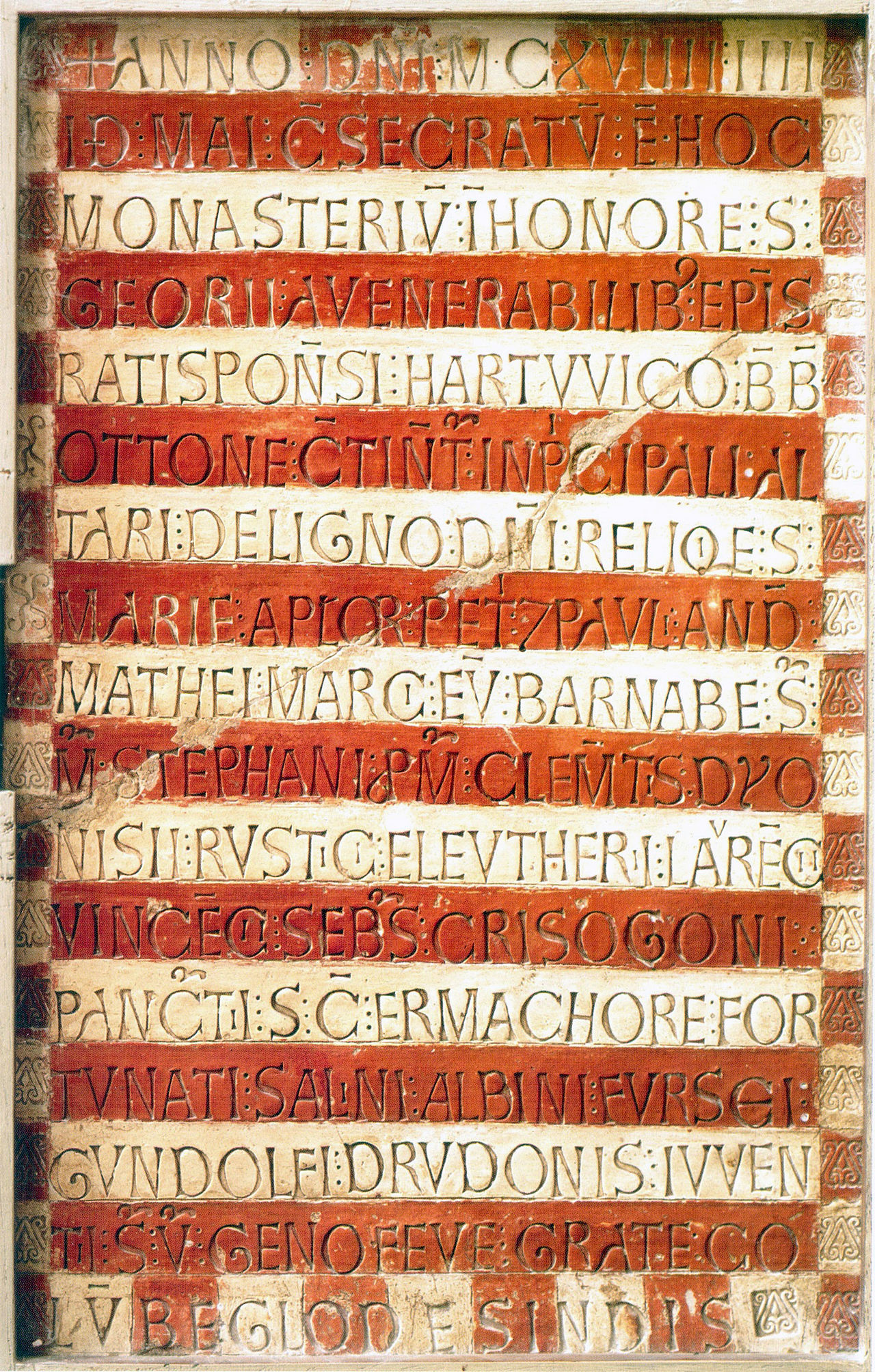

Characteristics and features
Medieval Latin preserved much of Classical Latin grammar and vocabulary but also shows many innovations: simplified syntax, new vocabulary from vernacular languages, and flexible word-building for new concepts. Spelling and orthography were less standardized than in Classical Latin, reflecting regional pronunciation and scribal habits. Legal, scientific, and theological writings each developed specialized terms and idioms.
- Grammatical simplification: increased use of prepositions and reduced distinction among case endings.
- Lexical expansion: borrowings and neologisms to name institutions, plants, technology, and ideas.
- Orthographic variation: multiple acceptable spellings and abbreviations in manuscripts.
History and periodization
Scholars disagree about the point when Late Latin becomes Medieval Latin. Some extend the category back into the rise of Christian Latin in the fourth century and late antiquity, while others mark a clearer break around the sixth century or later. Over centuries the language evolved alongside institutional changes: the fall of the Western Roman Empire, the consolidation of the Church, the growth of universities, and the rise of vernacular literatures.
Uses, genres, and importance
Medieval Latin was the principal medium for liturgy and theology, but its range extended to law, medicine, natural history, philosophy, charters and chronicles. Monastic scriptoria and cathedral schools produced and copied huge numbers of texts. Legal and administrative Latin shaped governance across regions with different mother tongues. Examples include annals, sermons, scholastic disputations and encyclopedic compilations.
It should not be conflated with Ecclesiastical Latin, which specifically denotes the liturgical and standardized form associated with the Roman Catholic Church, nor with Classical Latin, the literary norm of the Roman Republic and early Empire. For further study consult general surveys and manuscript catalogues of medieval Latin literature and resources on its regional varieties and development. Additional bibliographies and digitized texts are available through academic portals and library projects.
Questions and answers
Q: What is Medieval Latin?
A: Medieval Latin was the form of Latin used in the Middle Ages, primarily by scholars as well as for liturgical language of the medieval Roman Catholic Church, science, literature, and administration.
Q: How was Medieval Latin used?
A: Medieval Latin was primarily used by scholars as the liturgical language of the Roman Catholic Church, as well as for science, literature, and administration.
Q: Should Medieval Latin be confused with Ecclesiastical Latin?
A: No, despite the clerical origin of many of its authors, Medieval Latin should not be confused with Ecclesiastical Latin.
Q: When does Medieval Latin begin and Late Latin end?
A: There is no real consensus on the exact transition from Late Latin to Medieval Latin. Some scholars begin surveys of it with the rise of early Christian Latin in the mid-4th century, while others consider the year 500 to be the beginning of Medieval Latin.
Q: Who primarily used Medieval Latin?
A: Scholars primarily used Medieval Latin, although it was also used as the liturgical language of the medieval Roman Catholic Church, for science, literature, and administration.
Q: What is the difference between Ecclesiastical Latin and Medieval Latin?
A: Despite the clerical origin of many of its authors, Medieval Latin should not be confused with Ecclesiastical Latin.
Q: What is the origin of Medieval Latin?
A: Medieval Latin was used during the Middle Ages, primarily by scholars as well as for liturgical language of the medieval Roman Catholic Church, science, literature, and administration.
Related articles
Author
AlegsaOnline.com Medieval Latin: the Latin language of the Middle Ages Leandro Alegsa
URL: https://en.alegsaonline.com/art/63432