
Overseas France (France d'outre-mer)
Territories of the French Republic located outside Europe, with varied legal statuses, geographic distribution, representation in French institutions, and strategic, cultural, and economic roles.
Overseas France (French: France d'outre-mer) designates the parts of the French Republic located beyond the European continent. These lands and islands are scattered across the Atlantic, Indian and Pacific Oceans and include continental territory in South America as well as a polar claim in Antarctica. They are not a single administrative type: the group comprises overseas departments, overseas collectivities, and other special-status territories, each governed under distinct constitutional arrangements.
Image gallery
10 Images



Composition and legal statuses
The principal categories within Overseas France are: overseas departments (départements d'outre-mer), which are integral parts of France and the European Union; overseas collectivities (collectivités d'outre-mer), which enjoy varying degrees of autonomy; and special-status territories with sui generis arrangements. Some territories are uninhabited or have a limited permanent population and are administered directly by metropolitan authorities.
- Overseas departments: examples include Guadeloupe, Martinique, French Guiana and Réunion; Mayotte is also an overseas department.
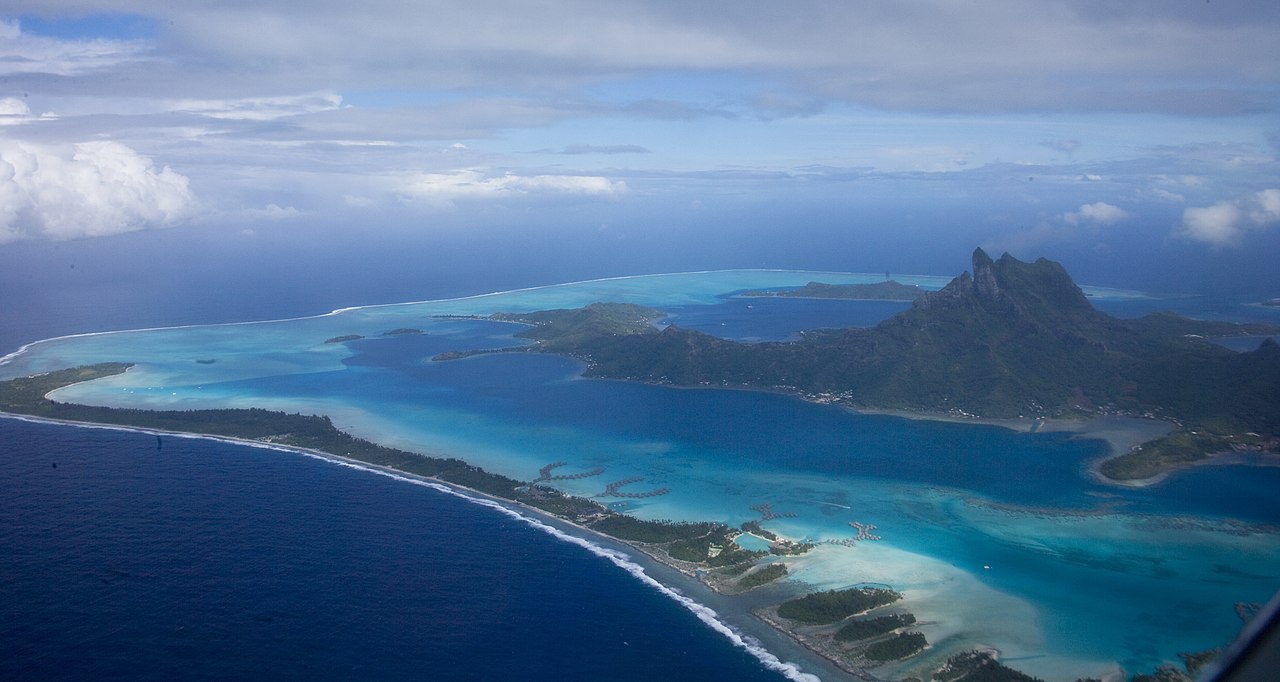
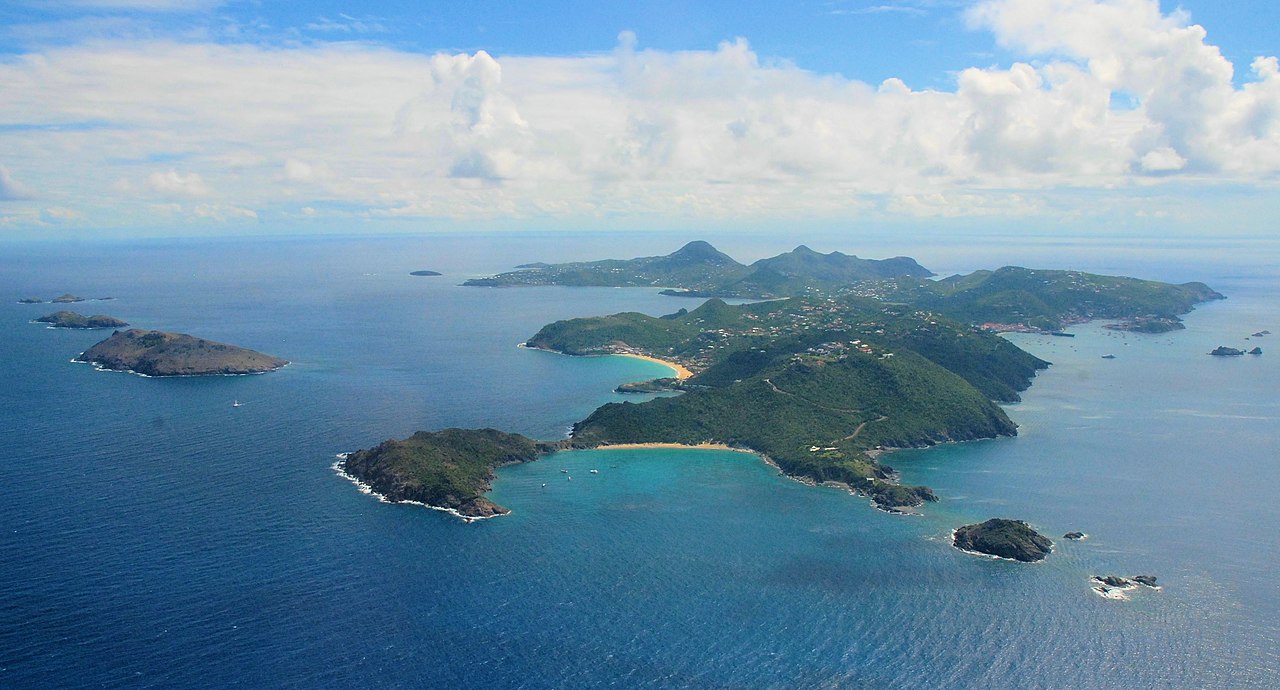
- Overseas collectivities and special entities: French Polynesia, New Caledonia (a sui generis collectivity), Wallis and Futuna, Saint Pierre and Miquelon, Saint Barthélemy, and Saint Martin.
- Uninhabited or exceptional claims: the French Southern and Antarctic Lands and Adélie Land in Antarctica—claims constrained by the Antarctic Treaty System—plus small dependencies such as Clipperton Island.
Geography, population and economy
These overseas territories span tropical islands, equatorial rainforest on the South American mainland, subantarctic islands, and polar ice. Together they contribute significant maritime zones to France's Exclusive Economic Zone and host diverse ecosystems. Population sizes vary widely: some territories are densely populated with urban centers and overseas departments have populations measured in hundreds of thousands, while others have only a few thousand inhabitants or are uninhabited. Economies range from services, tourism and agriculture to strategic facilities such as the Guiana Space Centre near Kourou.
Governance and representation
Although legal arrangements differ, most inhabited territories elect representatives to the French Parliament: deputies in the National Assembly and senators in the Senate. Local institutions often manage many internal matters, while national legislation may apply either directly or after adaptation. Citizenship, the French legal system, and French nationality typically apply in these territories; however, membership in the European Union varies according to status, with overseas departments classified as outermost regions of the EU.
History and significance
The territories now known as Overseas France reflect centuries of exploration, colonization and administrative change. Over the 20th and 21st centuries many colonies evolved through stages of protectorate, colony, overseas territory, and finally into their present forms—some integrating closely with metropolitan France, others securing broader autonomy. Strategically, these possessions extend France's global footprint, enabling military presence, scientific activity, and control over extensive maritime resources.
Distinctive facts and examples
Notable aspects include the linguistic and cultural diversity of these territories—French is the official language but regional languages and creoles are widely spoken—and differing currencies: most departments use the euro while some collectivities use other legal tender. Environmental stewardship and development challenges are common themes, with many territories facing climate-related risks. Each inhabited territory participates in national political life and local governance adapts to geographic, cultural and economic conditions.
Further information
- Overview and definitions
- European relations and status
- List of overseas departments
- Overseas collectivities explained
- Legal frameworks and autonomy
- Atlantic island territories
- Pacific island territories
- Indian Ocean territories
- French Guiana and continental South America
- Adélie Land (Antarctic claim)
- Further references and data
For readers seeking maps, legal texts, or up-to-date demographic and economic statistics, consult official French government publications and the local territorial administrations. The varied nature of Overseas France means that each territory's institutions, rights and day-to-day realities should be considered on their own terms.
Questions and answers
Q: What is Overseas France?
A: Overseas France is the part of France that is outside of the European continent. It consists of all overseas departments, territories and collectivities.
Q: What are some examples of Overseas France?
A: Examples include island territories in the Atlantic, Pacific and Indian oceans, French Guiana in South America, and Adélie Land in Antarctica.
Q: How many people lived in the overseas departments and territories in January 2011?
A: 2,685,705 people lived in the overseas departments and territories in January 2011.
Q: Are inhabitants of Overseas France represented in both the French National Assembly and Senate?
A: Yes, each inhabited territory is represented in both the French National Assembly and the French Senate (which together make up the Parliament of France).
Q: Do these territories have different levels of autonomy?
A: Yes, these territories have several different legal statuses and levels of autonomy.
Q: Is there any representation for Overseas France at a national level?
A: Yes, each inhabited territory is represented at a national level by being included both the French National Assembly and Senate which together make up the Parliament of France.
Tags
Related articles
Author
AlegsaOnline.com Overseas France (France d'outre-mer) Leandro Alegsa
URL: https://en.alegsaonline.com/art/73737
Sources
- insee.fr : "Bilan démographique 2010"
- caribbeannetnews.com : "French Caribbean voters reject change"
- st-barths.com : "Letter of Information from the Mayor to the residents and non-residents, to the French and to the foreigners, of Saint Barthelemy"
- insee.fr : "Population des régions au 1er janvier"
- ispf.pf : "Enquêtes & Répertoires > État Civil"
- insee.fr : "INSEE Infos No 32"
- isee.nc : "CHIFFRES CLÉS - Démographie"
- insee.fr : "Populations légales 2007 pour les départements et les collectivités d'outre-mer"
- insee.fr : "Les populations des circonscriptions du Territoire des îles Wallis et Futuna"