
Ruler (measuring instrument): types, history, and common uses
A ruler is a straight measuring tool marked with graduated units. This article describes its characteristics, varieties, historical development, typical uses, and practical tips for accurate measurement.
A ruler is a straight-edged instrument used to measure distances or to draw straight lines. It usually bears a sequence of evenly spaced marks and numerals aligned with one edge; the marks indicate units of length such as millimetres, centimetres or inches. Rulers serve both as measurement devices and as straightedges in drafting, woodworking, sewing and classroom activities. Simple forms are inexpensive and widely available, while specialised versions are designed for technical drawing, carpentry or tailoring.
Image gallery
8 Images




Characteristics and common forms
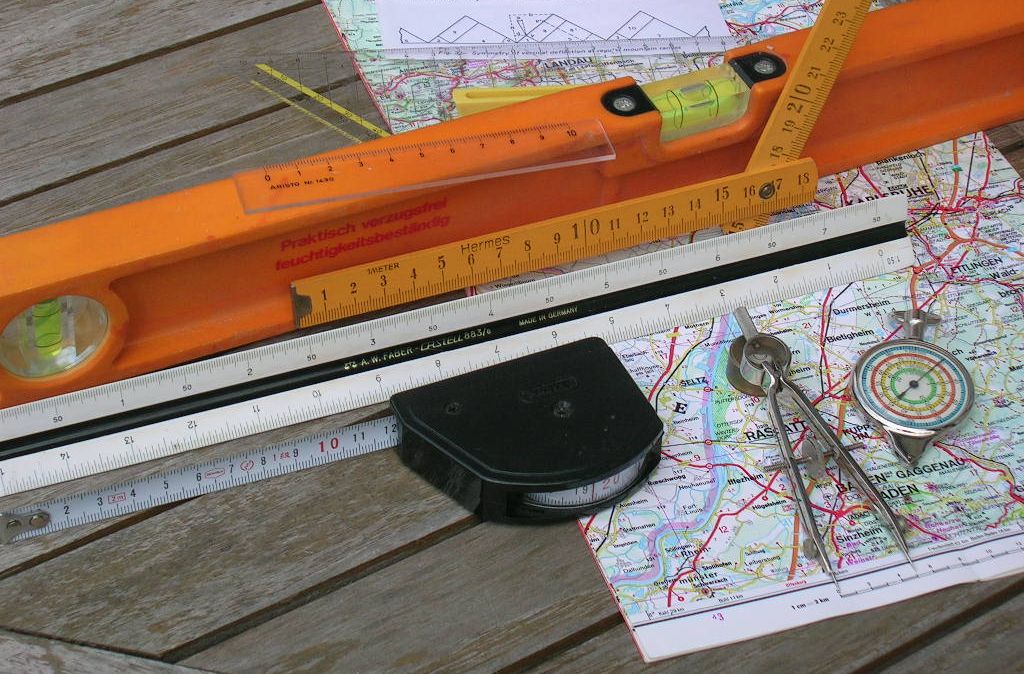
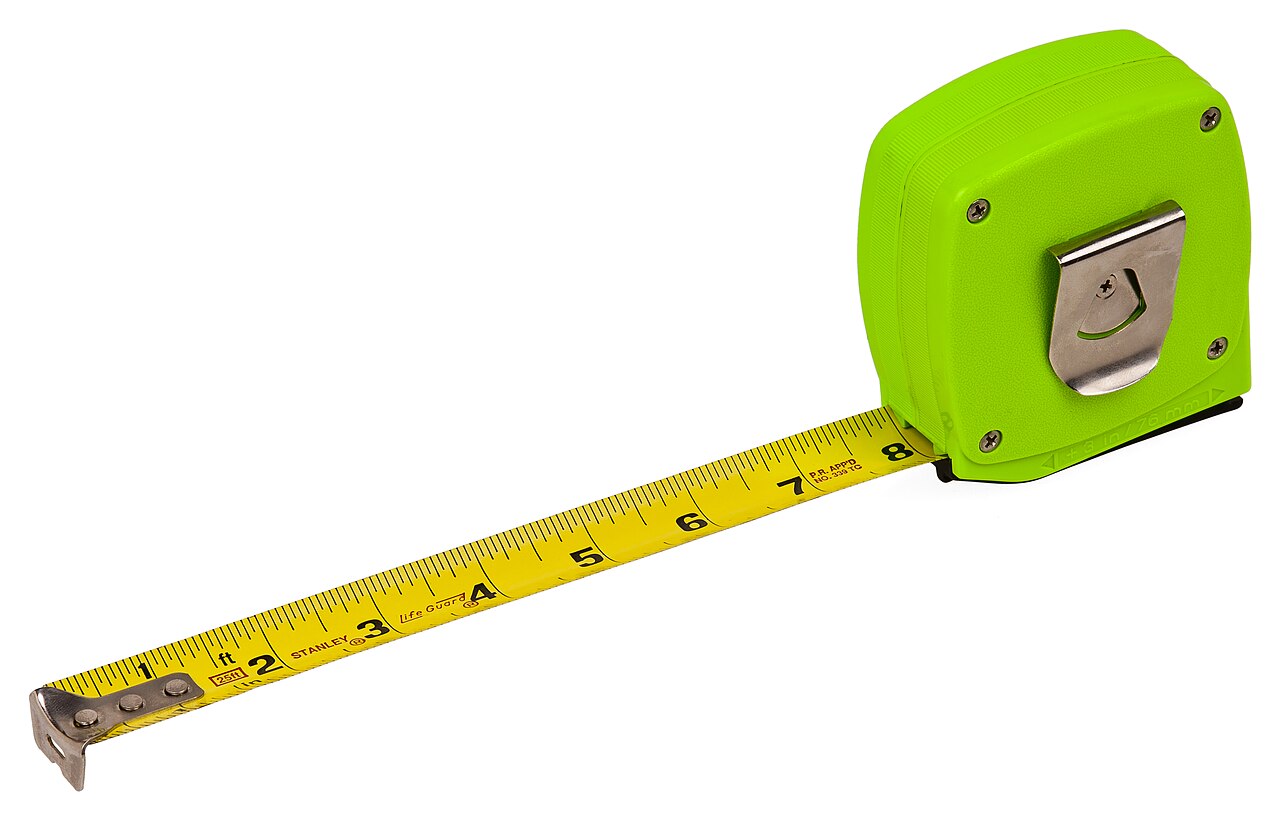
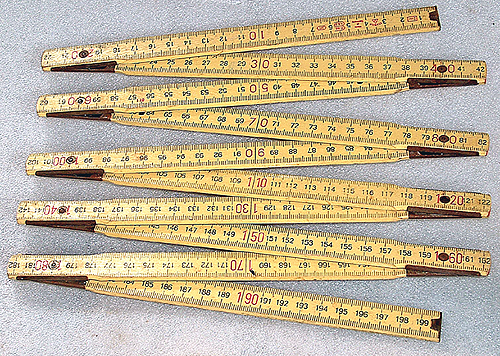
Typical rulers are made from materials that balance durability and stiffness: plastic, wood and metal are the most common. Markings vary in scale and resolution: metric rulers show millimetre and centimetre graduations, while imperial rulers show inches and fractional divisions such as halves, quarters or sixteenths. In addition to fixed straight rulers there are flexible rulers, folding rulers, engineer's scales (with several graduated ratios), architect's scales and measuring tapes that extend to long lengths. Some rules are beveled or include a zero offset for measuring from an edge.
- Plastic rulers: lightweight, often transparent for visibility of the work beneath.
- Wooden rulers: traditional, rigid and inexpensive.
- Metal rulers: durable, maintain a precise straight edge and resist wear.
- Folding and retractable rulers: portable options for longer measurements.
History and standardisation
Humans have used linear measuring rods and marked sticks for millennia. Ancient cultures organised measurements around human dimensions — the cubit being a well-known example based on the forearm — and later developed standard rods for trade and construction. Over time nations adopted uniform units and manufactured graduated instruments. The introduction of the metric system in the 18th and 19th centuries provided a consistent base for scientific and commercial measurement, while imperial and customary units continued in other regions. Modern manufacturing ensures rulers are produced with consistent markings and accurate spacing.
Uses, examples and practical importance
Rulers are ubiquitous in education for teaching basic measurement and geometry. In technical fields they permit precise layout and dimensioning: architects and engineers use scaled rulers to interpret and create drawings; tailors use flexible rulers to follow contours; woodworkers use metal or wooden rulers as straightedges and for marking cuts. Common consumer sizes include a 30 centimetre (12 inch) school ruler and longer metre or yard sticks for larger tasks. Choosing the right scale and resolution for the job helps avoid systematic errors when transferring measurements.
Reading, accuracy and selection tips
To measure accurately place the ruler so the mark corresponding to zero aligns with the starting point of the object; beware of rulers that begin with a small gap between the true edge and the first mark. Read graduations at eye level to avoid parallax error, and use a magnifier or vernier scale for fine precision if needed. Select material and stiffness to prevent bending during measurement, and replace rulers whose markings or edges are worn. For repeatable results in technical work, choose a ruler designed for the required tolerance and scale.
Further information and resources
- General overview of rulers and measuring tools
- Introduction to length and units of measurement
- Graduation markings and reading techniques
- Plastic ruler types and uses
- Wooden rulers and traditional forms
- Metal rulers and precision straightedges
- Metric units and metric rulers
- Common school ruler sizes (centimetres)
- Metric versus imperial systems
- Imperial rulers and inch-based tools
- Buying and using imperial measurement rulers
Questions and answers
Q: What is a ruler?
A: A ruler is an instrument of measurement that measures length.
Q: What is length?
A: Length is how long or short something is.
Q: How do most rulers work?
A: Most rulers work by having numbers parallel to the measuring edge and little lines perpendicular to the measuring edge.
Q: Can rulers be used for drawing lines?
A: Yes, rulers can be used as a straight edge to draw lines with.
Q: What materials are rulers made of?
A: Rulers can be made of plastic, wood, metal, and other materials.
Q: What are some examples of metric rulers?
A: Some examples of metric rulers are 1 metre rulers, 30 centimetre rulers, 20 centimetre rulers, and 15 centimetre rulers.
Q: What are some examples of imperial rulers?
A: Some examples of imperial rulers are 1 yard rulers, 18 inch rulers, and 6 inch rulers.
Related articles
Author
AlegsaOnline.com Ruler (measuring instrument): types, history, and common uses Leandro Alegsa
URL: https://en.alegsaonline.com/art/84689