
Alborz Mountains: geography, geology and cultural significance
Major mountain range in northern Iran stretching from the Caucasus region to the east; includes Mount Damavand, diverse climates and ecosystems, and important water sources for Tehran and the Caspian coast.
Overview
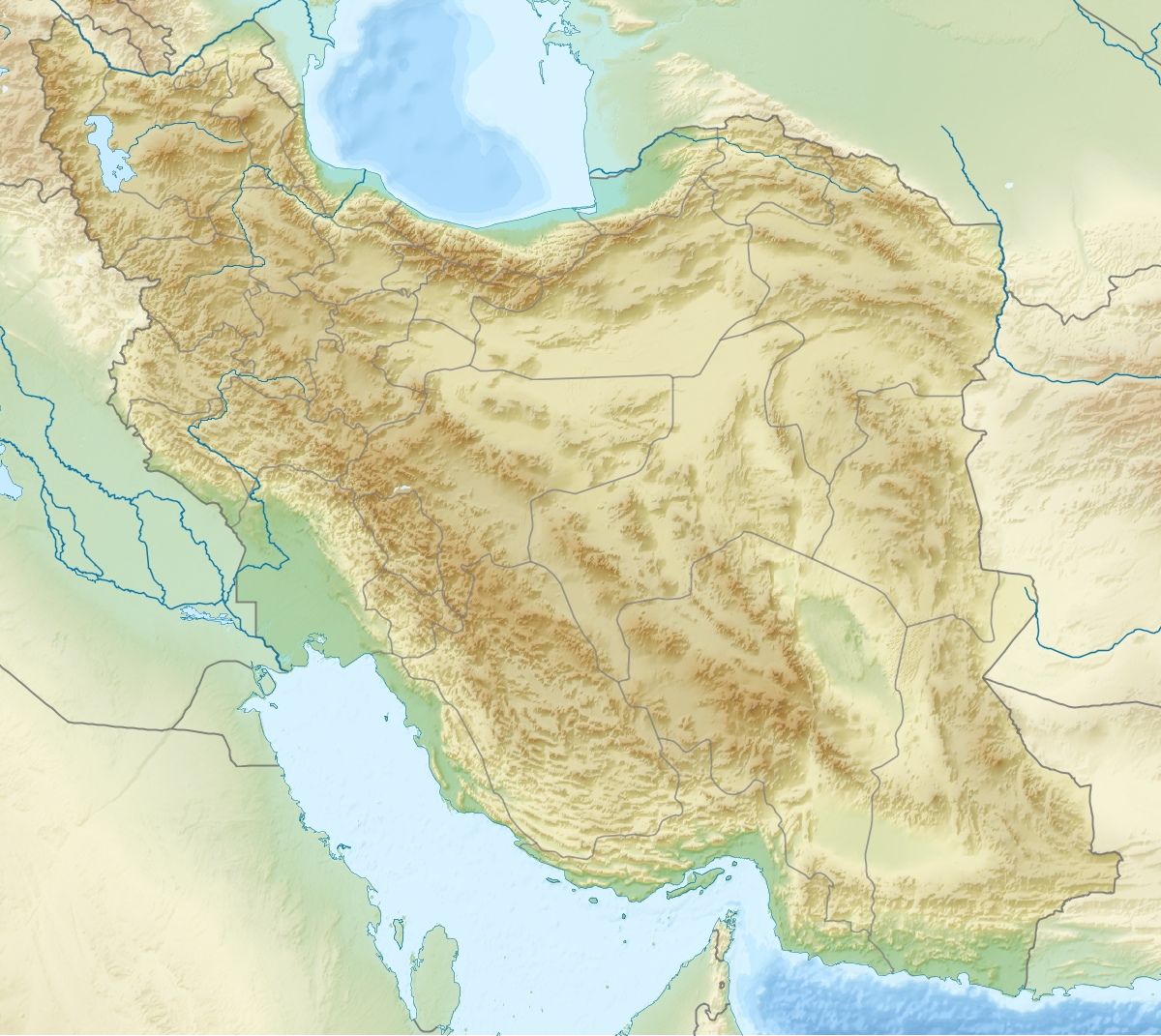
The Alborz (also spelled Alburz, Elburz or Elborz) is a prominent mountain range in northern Iran. It forms a long arc that separates the southern shore of the Caspian Sea from the Iranian plateau, beginning near the borders with Azerbaijan and Armenia in the northwest and extending eastward toward the frontiers with Turkmenistan and Afghanistan. The range is a defining physical feature of northern Iran and shapes local climate, rivers, and human settlement patterns.
Image gallery
10 Images



Geology and formation
The Alborz range is the product of tectonic forces associated with the collision of the Arabian and Eurasian plates. Uplift and folding during the Cenozoic produced steep ridges, high peaks and deep valleys. The geology includes metamorphic rocks, sedimentary sequences and volcanic centers; one of the most notable volcanic peaks is Mount Damavand, which rises above the surrounding landscape and is the highest mountain in Iran and the wider region.
Climate and ecosystems
Because the Alborz stands between the Caspian Sea and the central plateau, it creates marked climatic contrasts. The northern slopes receive moist air from the Caspian and support the Hyrcanian (Caspian) forests—temperate broadleaf woodlands known for rich biodiversity. In contrast, the southern slopes fall in a rain shadow and are much drier, with steppe and semi-arid vegetation. Elevation gradients produce alpine meadows and seasonal snowpack that feed streams and rivers.
Human use, cities and importance
The range influences settlement and economy: cities and towns cluster at its feet, most notably Tehran, which lies on the southern flank and depends on mountain water resources for drinking supply and irrigation. Rivers that originate in the Alborz are vital for agriculture and hydroelectric projects. The mountains also support forestry, pastoralism and tourism—hiking, mountaineering and winter sports are popular in accessible areas.
Notable peaks and recreation
Several well-known summits and subranges attract climbers and nature visitors. Important peaks include:
- Mount Damavand — a stratovolcano and the highest point in the range and country.
- Alam Kuh — a rugged, steep peak famed among climbers for its granite faces.
- Tochal — accessible from the Tehran region and home to ski facilities and trails.
History, culture and notable facts
The Alborz has long held cultural significance in Iranian literature and folklore and appears in classical Persian traditions as a boundary between worlds. Archaeological sites and historic passes along the range have linked northern Iran with the Caucasus and Central Asia. Conserving the Hyrcanian forests and managing water resources are among the contemporary environmental priorities for the region.
Tags
Related articles
Author
AlegsaOnline.com Alborz Mountains: geography, geology and cultural significance Leandro Alegsa
URL: https://en.alegsaonline.com/art/2170