
Cockpit (pilot compartment)
A cockpit is the space from which a vehicle—most commonly an aircraft—is operated. This article describes its layout, history, variants, equipment, and human factors.
Overview
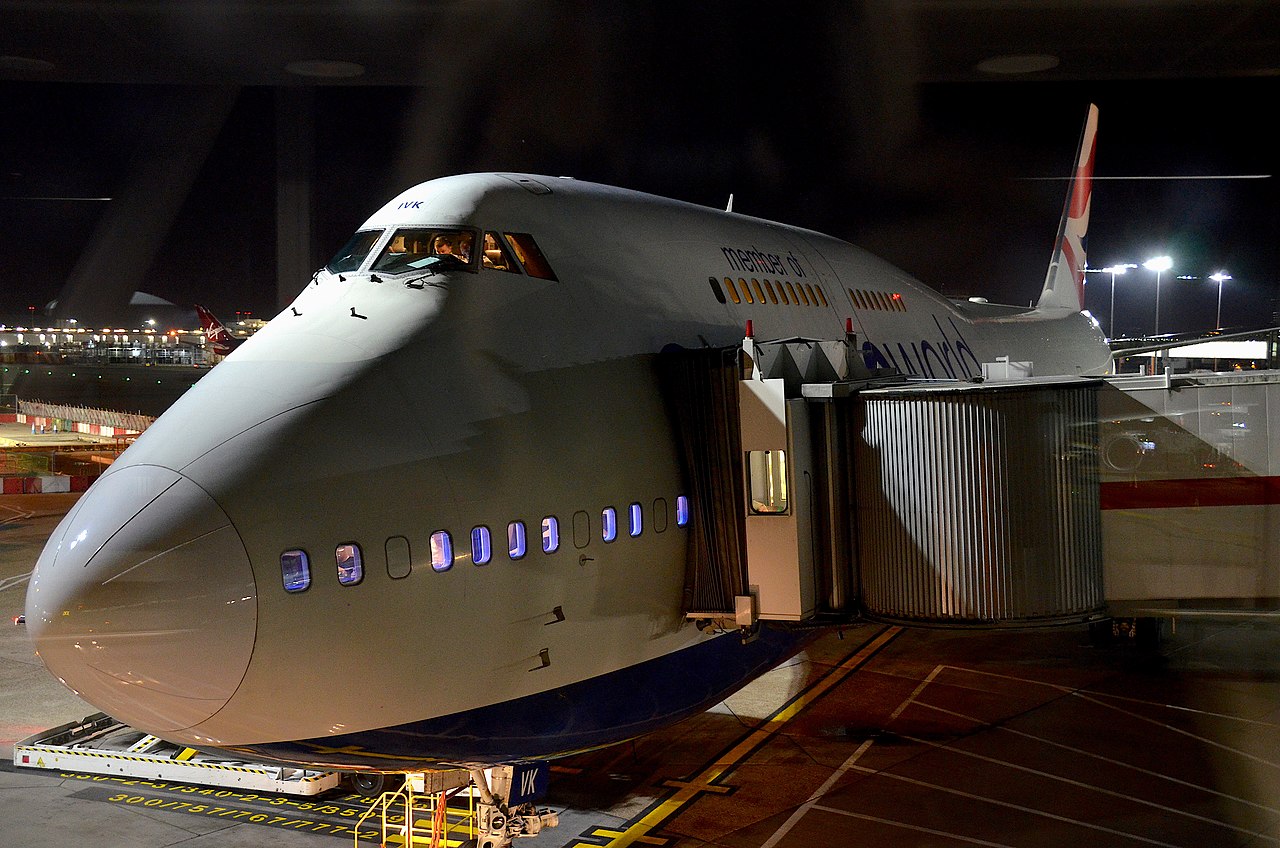
A cockpit is the area from which a vehicle is controlled, most commonly the enclosed space near the front of an aircraft where one or more pilots operate flight controls and instruments. The word is often used interchangeably with "flight deck," a term sometimes reserved for larger transport aircraft and also used for the deck on an aircraft carrier. In transport airplanes the cockpit is usually separated from the passenger cabin for safety and security, and may be accessed through a reinforced door (passenger area separation). Smaller airplanes, gliders and ultralights can have simpler or partially open cockpits, and other vehicles such as motorboats and many racing cars use the term to describe a driver's operating space.
Image gallery
10 Images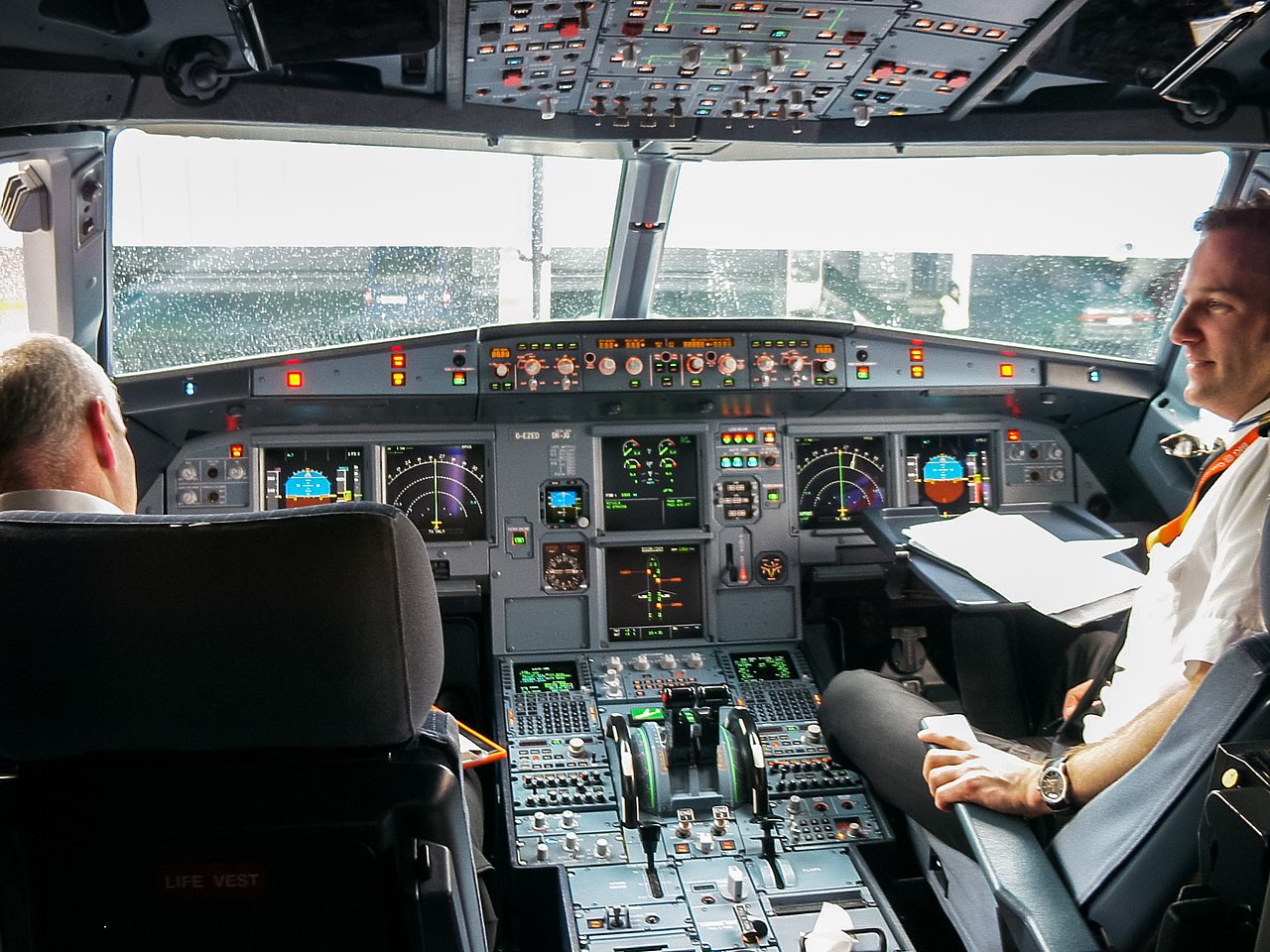





Common components and layout
Modern cockpits integrate flight controls, displays, communication and navigation systems into an ergonomic workspace. Typical elements include:
- Primary flight instruments (attitude indicator, altimeter, airspeed, vertical speed)
- Engine and system monitoring gauges or digital readouts
- Flight controls (yoke or stick, rudder pedals, throttles)
- Avionics stack (radios, transponders, GPS and navigation equipment)
- Autopilot and flight management systems in transport aircraft
- Seats with restraint systems, lighting, environmental controls and emergency equipment
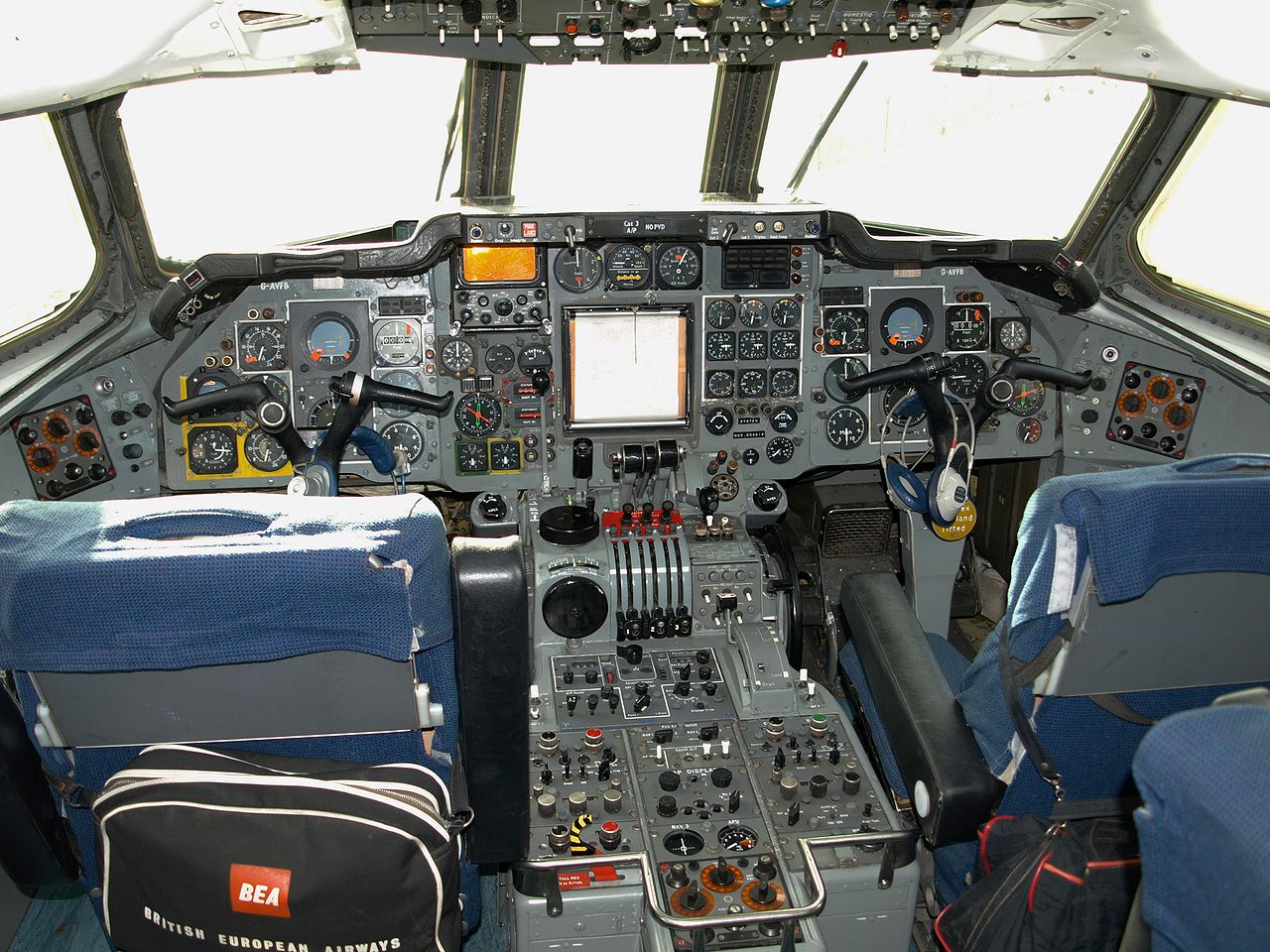
Layout and instrumentation vary widely between small general aviation aircraft, military fighters and commercial airliners; designers balance accessibility, visibility and redundancy to reduce workload and increase safety.
History and etymology
The term "cockpit" in aviation usage dates to the early 20th century, and was recorded in aircraft contexts around 1914. The name likely derives from older nautical usage describing a confined space for a ship's coxswain or helm, and has parallels with the coxswain's station on sailing vessels and in the Royal Navy. By the mid‑20th century the word also entered motoring slang and was used informally for a driver's seat, especially in performance cars; by about 1935 it had become popular in that sense and later became formal terminology in Formula One racing (car contexts). The term "flight deck" grew in parallel to describe larger, highly equipped cockpits and the working surface of carriers (aircraft carrier).
Technological development and variants
Early aircraft often had open cockpits; pilots were exposed to wind and weather. Over the years cockpits became enclosed and more complex. Key developments include the shift from analog instruments to integrated glass displays known as "glass cockpits," the introduction of heads‑up displays (HUD), fly‑by‑wire control systems, and advanced automation such as flight management systems. Military fighter cockpits emphasize visibility, ejection systems and helmet‑mounted displays, while transport cockpits prioritize crew coordination, redundancy and long‑range navigation.
Human factors, safety and operations
Human factors engineering is central to cockpit design. Effective instrument layout, standardized controls, clear alerts and good communications reduce pilot error. Crew resource management practices train teams to manage workload and decision making. Cockpit design also addresses security (separating pilot and passenger areas), survivability, and emergency procedures. In non‑aviation uses the term carries similar concerns: marine cockpits must provide weather protection and clear sightlines for helmsmen, and racing car cockpits are tailored to driver safety and rapid control access.
Notable distinctions and cultural notes
The word "cockpit" has broad application but can imply different scopes: in small aircraft it may mean a simple seat area and instrument panel; in jetliners the "flight deck" denotes a complex, multi‑crew control center. The term's maritime and automotive roots reflect shared concepts of a compact control station. For further technical or historical reading see resources on aircraft systems and human factors (aircraft systems), naval terminology (sailing) and motorsport cockpit standards (Formula One cockpit).
Related articles
Author
AlegsaOnline.com Cockpit (pilot compartment) Leandro Alegsa
URL: https://en.alegsaonline.com/art/21337