
Cold cathode: principles, types, uses and distinctions
Overview of cold cathode devices, how they work without a heated filament, common types (CCFL, neon tubes), applications, advantages and differences from hot-cathode and LED technologies.
Overview
A cold cathode is an electrode that emits electrons without being heated by a dedicated filament or heater. Unlike a hot-cathode device, where a filament is driven to incandescence to release electrons, a cold cathode produces electron emission by electric fields, ion impact, or other non-thermal mechanisms. The term often appears in the context of lighting tubes such as cold cathode fluorescent lamps (CCFLs), neon tubes, and compact cold-cathode discharge lamps. For a basic definition see electrode.
Image gallery
6 Images



Design and operation
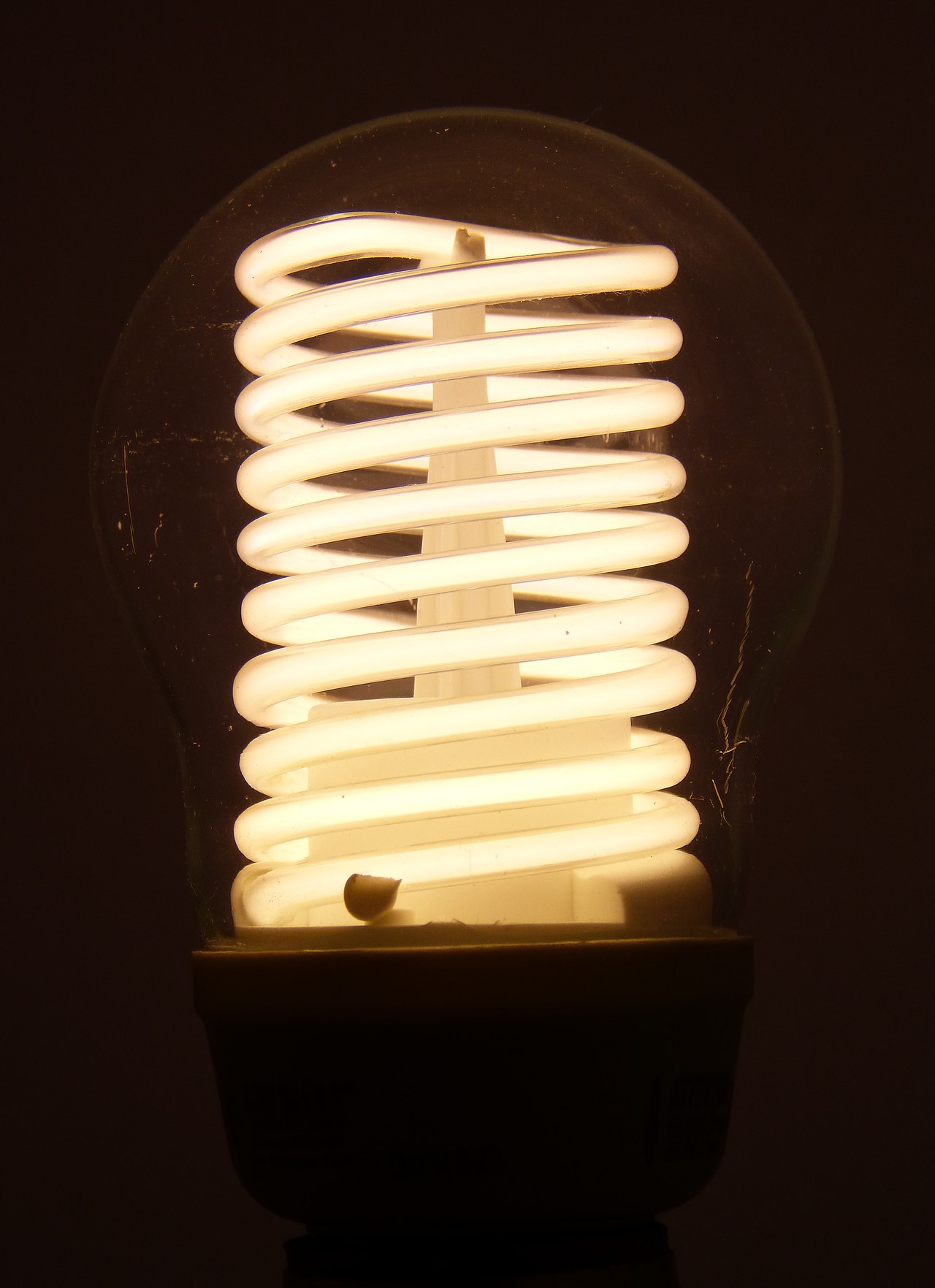
Cold cathode devices typically consist of a sealed tube containing a low-pressure gas and electrodes at its ends. When a suitable high voltage is applied, the gas ionizes and a plasma is created; electrons accelerate across the discharge and produce light by exciting the gas or a phosphor coating. Emission from the cathode itself can occur through field emission or secondary emission when ions strike the surface. The cathode is not warmed purposely by a filament, although it may heat under prolonged operation. This contrasts with filament-based designs such as thermionic emitters, which rely on heated elements; see filament and current for related concepts.
Common types and applications
Cold cathode technologies include CCFLs used historically for backlighting in displays, neon and argon-filled signage tubes, and decorative tubular lighting. CCFLs were widely employed as backlights in LCD TVs and in computer monitors before widespread adoption of LED backlighting. Other uses include architectural and artistic illumination, instrument lighting, and specialty indicator lamps.
Advantages and limitations
- Advantages: simple construction, robust operation at low currents, and often long service life in continuous operation.
- Limitations: require higher starting voltages or ballast circuits, can contain small amounts of mercury in fluorescent variants, and are less energy-efficient than modern LEDs in many situations.
Notable distinctions and historical notes
Cold cathode devices have been important in signage and display history because they combine vivid colors and long on-time with mechanical simplicity. Neon signage is a culturally recognizable form of cold-cathode lighting. Over recent decades, solid-state lighting such as LEDs has supplanted many cold-cathode applications because of lower power consumption, easier dimming, and smaller form factors, though cold-cathode tubes remain valued for specific aesthetic and technical reasons.
When studying or selecting a lighting solution, consider starting circuitry, environmental handling (for mercury-containing types), and the visual qualities that distinguish cold-cathode illumination from other light sources.
Related articles
Author
AlegsaOnline.com Cold cathode: principles, types, uses and distinctions Leandro Alegsa
URL: https://en.alegsaonline.com/art/21490