
Cockpit (sailing)
The cockpit of a sailing vessel is the area that houses the helm and sail controls. This article describes its parts, types, history, safety features, and how it differs from a wheelhouse or helm.
The cockpit on a sailing vessel is the part of the deck where the helm and the primary sail controls are concentrated. Traditionally an open, recessed well in the deck, the cockpit gives the steering person and crew access to winches, lines and instruments while remaining low and sheltered. On modern yachts a cockpit may be partially or fully enclosed to improve comfort and protection from the elements. The term emphasizes the relationship between crew, steering and the primary controls that govern the boat.
Image gallery
2 Images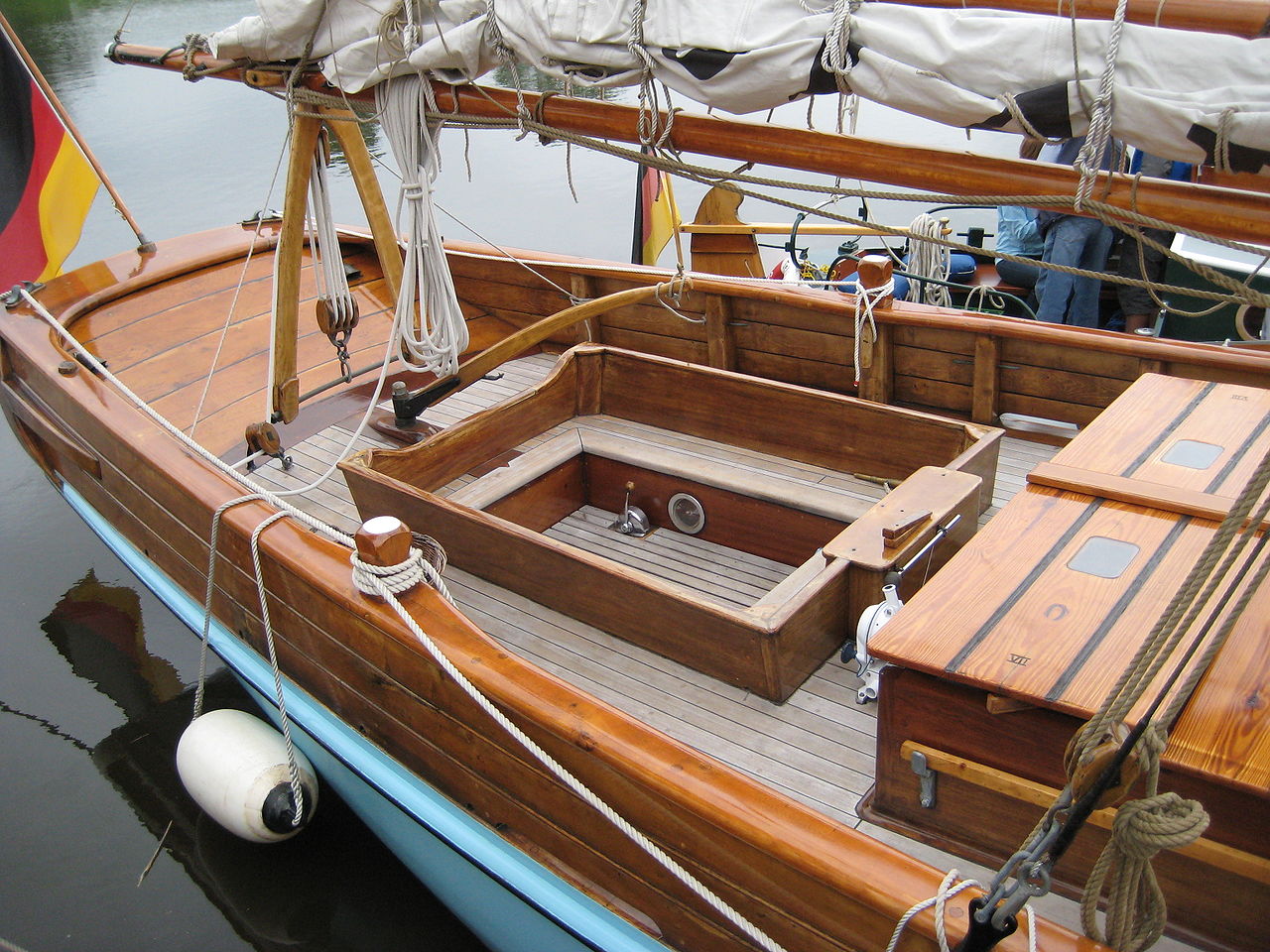

Components and design features
- Helm: either a wheel or tiller that connects to the rudder and provides directional control.
- Running rigging: winches, clutches and cleats that allow trimming of sails and rapid adjustment under load.
- Instruments and binnacle: compass, depth, wind and navigation displays that help steer and navigate.
- Seating and coamings: raised edges around the cockpit help shed water and provide secure seating for crew.
- Drainage: self-bailing scuppers or drains remove water quickly to reduce risk of flooding.
- Access: the cockpit sits on the boat's deck and usually has a companionway leading below.
Design details vary with intended use. Racing boats often have minimal, performance-oriented cockpits to reduce weight and optimize crew movement. Cruising yachts favor deeper, more comfortable cockpits with lockers, removable tables, and weather protection.
Types of cockpit layouts include the common aft cockpit, situated toward the stern, and the center cockpit, located nearer the middle of the hull to offer better protection and cabin arrangement. Some designs place small forward cockpits on daysailers. Enclosed cockpits, with sprayhoods, dodgers or hardtops, increase comfort and protection from the weather on longer passages.
The word "cockpit" has maritime roots and over time has been applied to small boat steering areas as well as specific compartments on larger ships. In recreational sailing the cockpit is typically the operational heart of the vessel: on a recreational sailboat it is often regarded as the safest working area for crew because of its relative shelter and access to controls, lines and safety gear. Sailors routinely fit jacklines and harness attachment points inside the cockpit and rely on self-bailing designs to manage waves and spray.
Important distinctions: the cockpit is not the same as a wheelhouse or enclosed helm found on motor vessels, which may be fully integrated into protected superstructures. When evaluating a boat, consider cockpit depth, drainage capacity, visibility from the helm, and storage. Properly designed cockpits combine operational efficiency, crew safety and comfort for the kind of sailing the boat will do.
For practical guides to cockpit layout, maintenance and safety equipment see additional resources: further reading on cockpit safety.
Questions and answers
Q: What is a cockpit in sailing?
A: A cockpit in sailing is the location of the controls of a vessel, typically an open well in the deck of a boat outside the cabin.
Q: Can a cockpit refer to an enclosed area in modern boats?
A: Yes, in modern boats a cockpit may refer to an enclosed area.
Q: Where is the cockpit typically located in smaller boats?
A: In smaller boats, the cockpit is typically located towards the stern of the boat, known as the aft cockpit.
Q: How does the cockpit differ in larger vessels?
A: Larger vessels may provide a center cockpit with greater protection from the weather.
Q: What is the significance of the cockpit on a recreational sailboat?
A: On a recreational sailboat, the cockpit is often the safest place for the crew.
Q: Is the cockpit only for sailing vessels?
A: No, the cockpit can also be found on powerboats.
Q: Why is the cockpit important for safe navigation?
A: The cockpit is important for safe navigation as it provides access to the controls for steering, sail trimming and other operations, and offers a central location from which the captain can maintain situational awareness.
Tags
Related articles
Author
AlegsaOnline.com Cockpit (sailing) Leandro Alegsa
URL: https://en.alegsaonline.com/art/21336