
Motorboat
A motorboat is a boat propelled by an engine. This article explains types (outboard, inboard, stern-drive), hull forms, history, common uses, safety and notable distinctions.
A motorboat is a watercraft propelled primarily by an engine rather than wind, human power, or current. Sizes and designs vary from small, trailerable skiffs to larger workboats and tenders. Motorboats are built for a mix of objectives—speed, load capacity, maneuverability and fuel efficiency—so their shapes, propulsion systems and controls reflect differing uses such as recreation, fishing, transport and public service.
Image gallery
10 Images


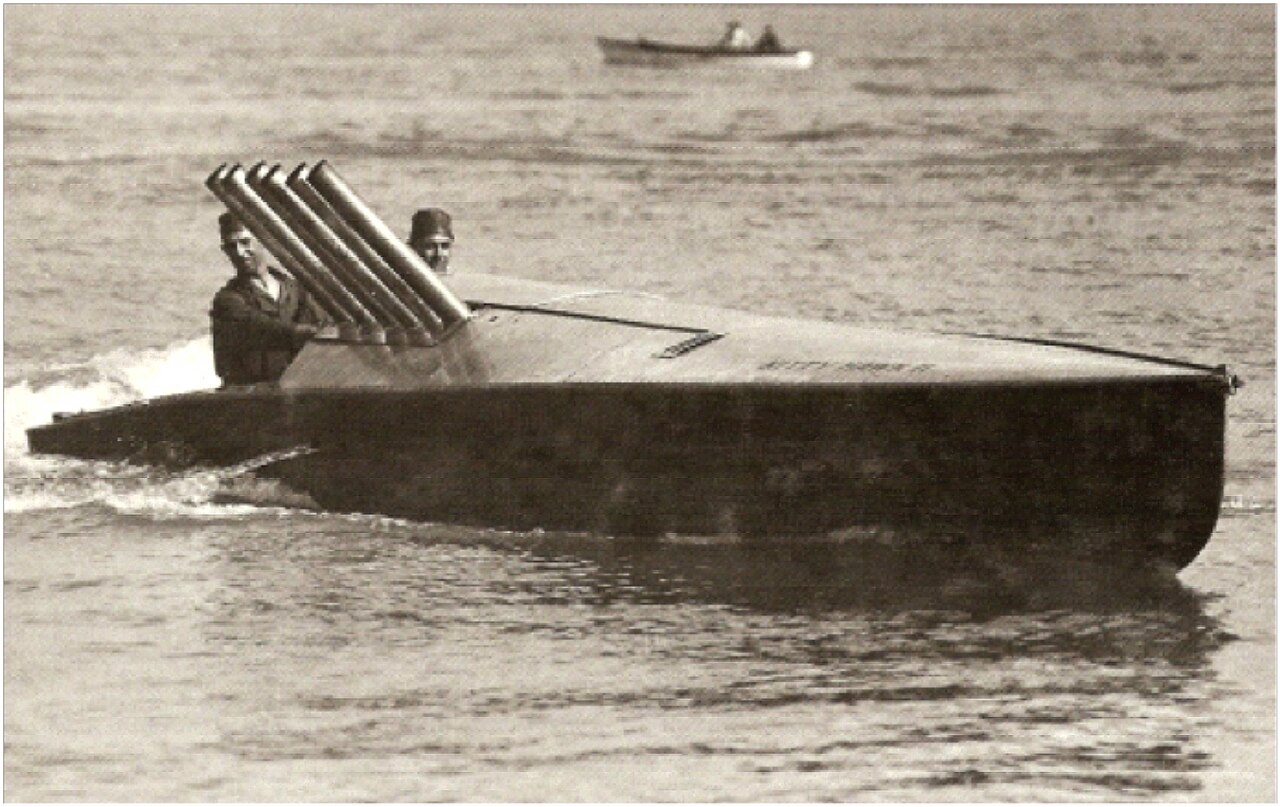


Design and main components
Typical elements of a motorboat include the hull, a powerplant, driveline and steering and control systems. The powerplant is most often an internal combustion engine, although electric and hybrid drives are becoming more common. Engine installations fall into several categories: outboard motors (a single portable unit mounted on the transom that combines engine, gearbox and propeller), inboard engines (installed within the hull and connected to a shaft drive) and inboard/outboard or stern-drive arrangements that mix an internal engine with an external drive unit.
Hull form is a key determinant of performance. Displacement hulls move through the water with modest speed and high efficiency, planing hulls rise and skim the surface at higher speed, and semi-displacement hulls provide a compromise between speed and load-carrying. Propulsion may use traditional propellers, water-jets for shallow water and high maneuverability, or surface drives for specific high-speed applications.
History and development
The widespread use of motorboats began after reliable internal combustion engines became practical in the late 19th and early 20th centuries. Improvements in metallurgy, fuels, cooling and lubrication, followed by advances in hull materials such as wood to metal and later composites, broadened the range of applications. Over the 20th century motorboats moved from specialized commercial and military roles into mass-market leisure and sport.
Uses and examples
- Recreation: day cruising, waterskiing, wakeboarding and sport fishing.
- Commercial and work use: ferries, fishing vessels, tender boats and survey craft.
- Public service: coastguard, police, fire and search-and-rescue craft.
- Sport and competition: powerboat racing and tournament angling.
Regulation and safe operation are important: many jurisdictions require safety equipment, registration, and operator licensing. Environmental concerns—fuel spills, exhaust emissions and noise—have prompted design changes and the growing adoption of electric propulsion and cleaner engines. Routine maintenance (fuel system care, corrosion protection, gear oil and cooling-system checks) is essential to keep engines and onboard systems reliable.
Distinctions and notable facts
The words "motorboat" and "powerboat" are often used interchangeably, though some communities distinguish by size or intended use. Modern developments include lighter composite hulls, more efficient stern and jet drives, and electrification of propulsion, all of which are reshaping performance, range and environmental impact. Motorboats remain a versatile and widely used class of vessel across inland and coastal waters.
Related articles
Author
AlegsaOnline.com Motorboat Leandro Alegsa
URL: https://en.alegsaonline.com/art/66924