
Cocoa butter (theobroma oil): properties, production, and uses
Cocoa butter, the pale-yellow fat from cacao beans, is valued for its melting behavior and stability. This article summarizes its composition, production, uses in chocolate, cosmetics, and medicine, and notable properties.
Cocoa butter, also known as theobroma oil, is the natural vegetable fat pressed from fermented and roasted cacao beans. It is pale yellow, solid at room temperature but melts close to human body temperature, and carries a faint cocoa-like scent and taste. It is a key ingredient in making solid chocolate, and it also appears widely in pharmaceutical formulations, skin-care products, and some industrial applications.
Image gallery
3 Images

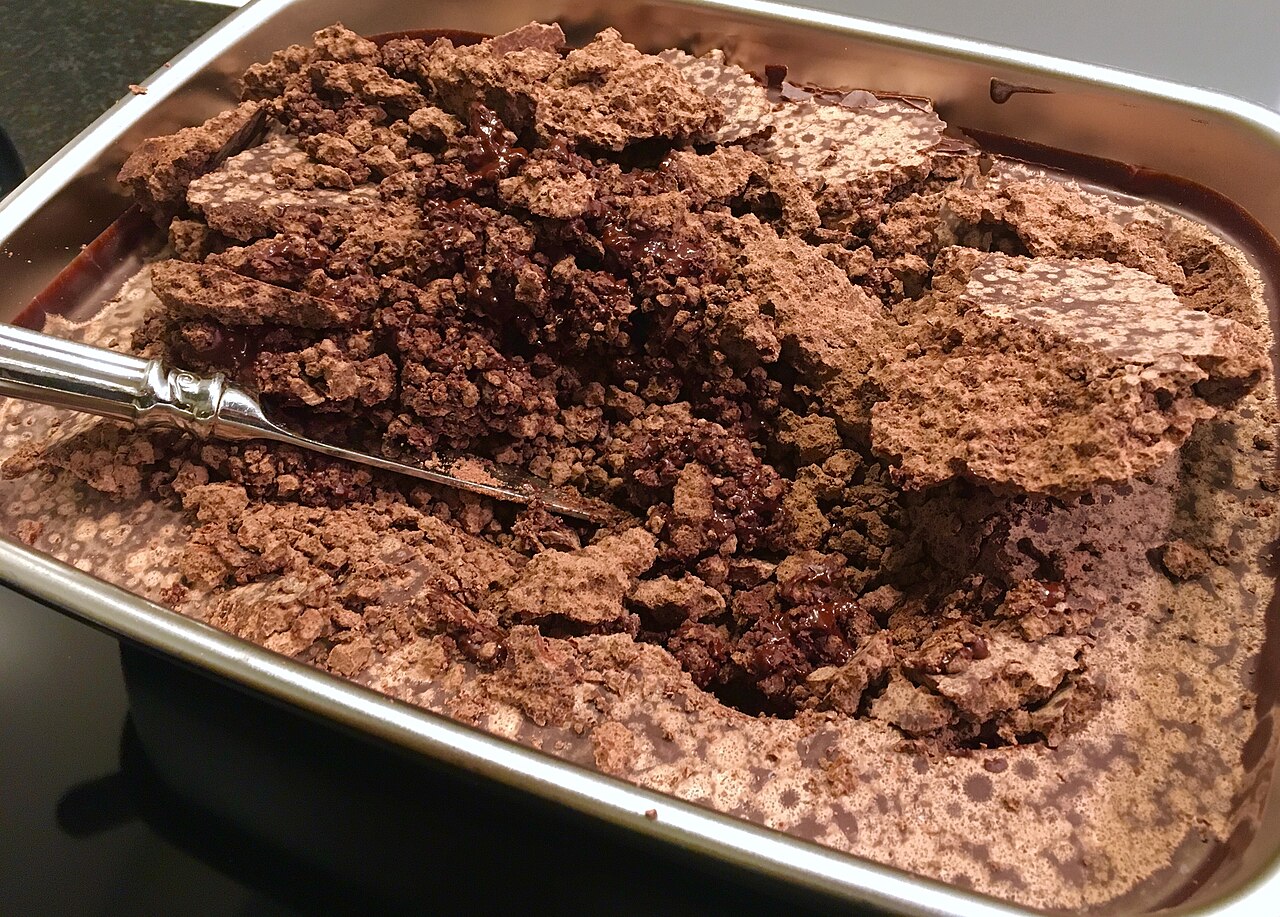
Characteristics
Chemically, cocoa butter is a mixture of triglycerides made primarily from palmitic, stearic and oleic fatty acids. Its distinctive physical property is a relatively narrow melting range — it remains solid at typical room temperatures yet liquefies readily on skin contact. This melting behavior, together with high oxidative stability, makes it prized for texture and shelf life. Cocoa butter exhibits polymorphism, meaning it can crystallize into several forms with different hardness and gloss; tempering is the controlled heating and cooling process used to achieve the desirable stable crystal form in confectionery.
History and production
Use of cacao and its fats dates back to pre-Columbian Mesoamerica, where cacao products had ceremonial and culinary roles. Commercial extraction of the fat became widespread after mechanized pressing was developed in the 19th century, enabling separation of cocoa solids and fat. Modern production typically involves roasting, grinding nibs into a liquid mass (cocoa liquor), then pressing this mass to recover cocoa butter; the leftover solids are milled into cocoa powder.
Uses and applications
Cocoa butter's combination of mild flavor, pleasant mouthfeel and stability supports a range of applications:
- Confectionery: provides smooth texture and glossy finish in bars, truffles and coatings.
- Cosmetics and toiletries: used in lotions, creams and lip products for emollient properties and a subtle chocolate-like aroma — its mild chocolate flavor and aroma make it popular in scented goods.
- Pharmaceuticals: employed as a base for suppositories and topical ointments because it melts at body temperature and is chemically inert.
- Food industry: used where a stable, plant-based fat with clean flavor is required.
Because of its natural origin and stability, cocoa butter is often preferred over hydrogenated or highly processed fats in premium products. However, it is relatively expensive compared with alternative fats, and its supply depends on cacao cultivation, which is sensitive to climate and economic factors.
Storage recommendations emphasize cool, dark, and dry conditions to minimize odor uptake and oxidation; properly stored cocoa butter has a long shelf life. Although derived from cacao, pure cocoa butter contains only trace proteins and is generally not the primary allergen source for people allergic to chocolate; consumers with severe sensitivities should still exercise caution and consult product labeling.
Related articles
Author
AlegsaOnline.com Cocoa butter (theobroma oil): properties, production, and uses Leandro Alegsa
URL: https://en.alegsaonline.com/art/21349
Sources
- britannica.com : "Cocoa butter -- Britannica Online Encyclopedia"