
Classical guitar
Nylon‑strung, fingerstyle acoustic guitar used for Western classical repertoire; noted for its wide neck, flat fingerboard, fan bracing and warm, intimate tone.
The classical guitar, often called the Spanish guitar, is an acoustic, plucked string instrument in the family of chordophones. It is most commonly associated with Western art‑music performed with the fingers, but it also appears in folk, popular and contemporary genres. The instrument typically has six strings, a hollow wooden body that amplifies the strings’ vibrations, and a fretted neck that facilitates precise pitch control.
Image gallery
10 Images




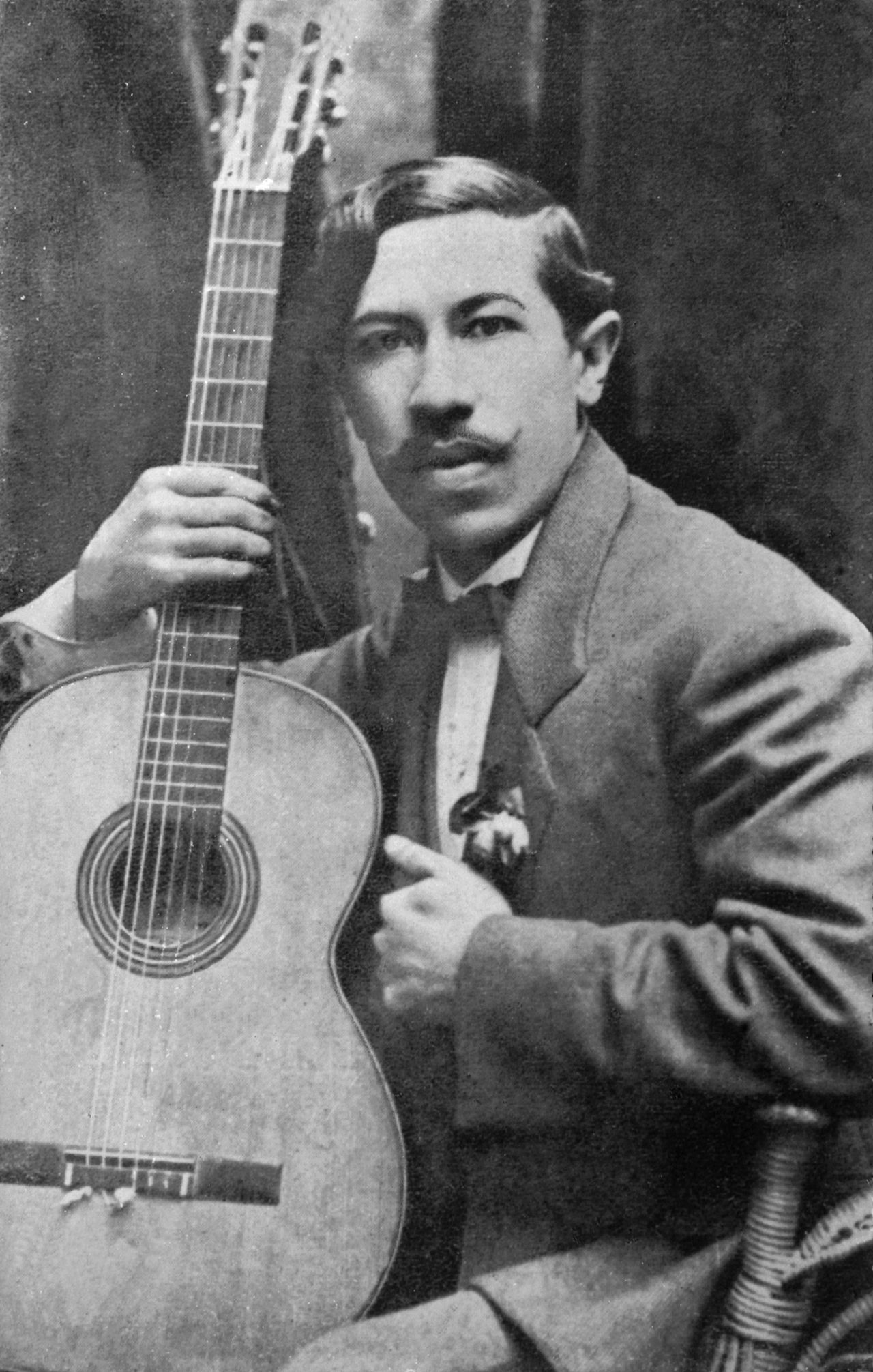

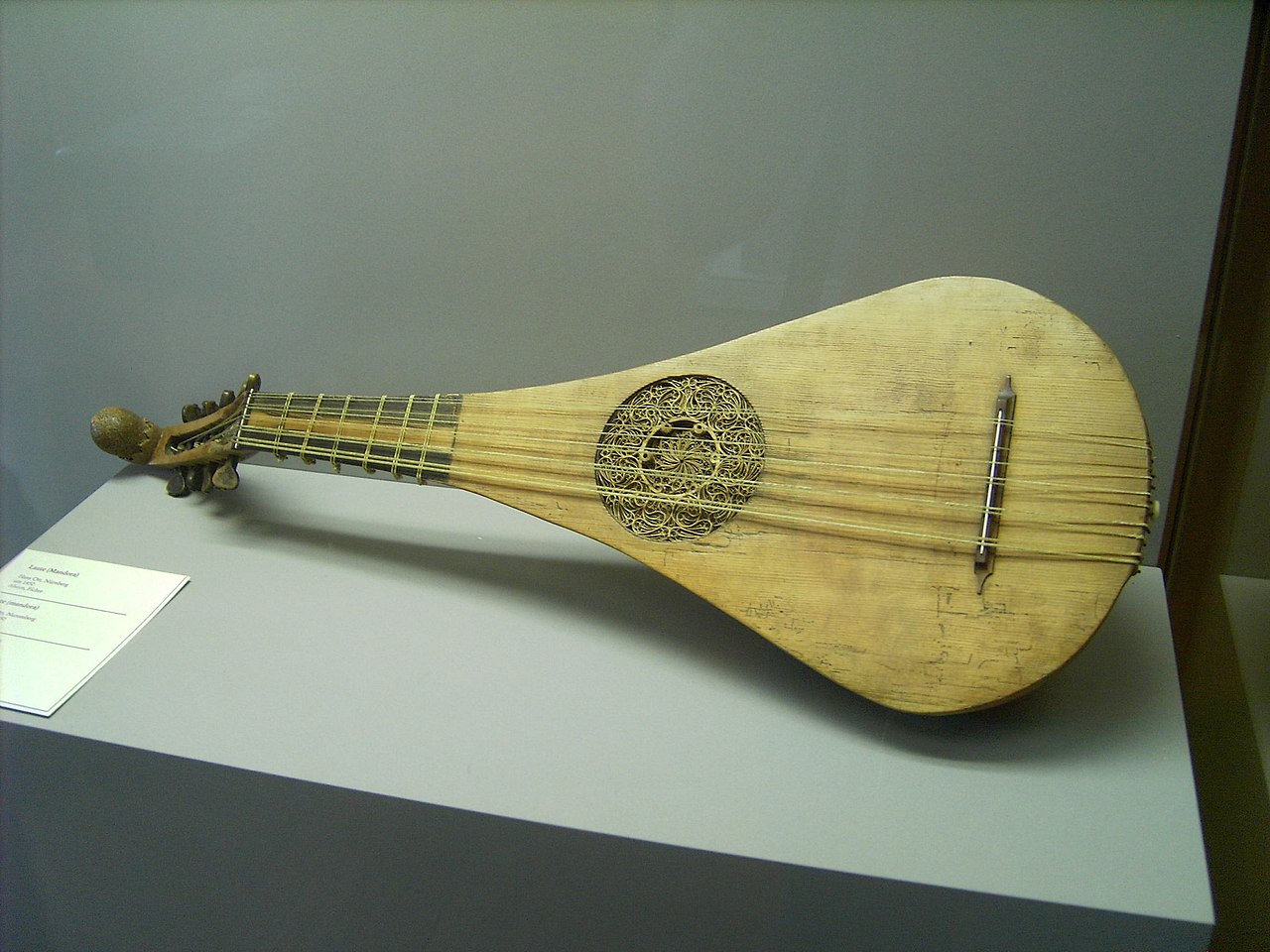
Characteristics and main parts
Modern classical guitars are characterized by a relatively wide, flat fingerboard that accommodates complex left‑hand fingering and by stringing that uses nylon or similar synthetic materials rather than steel. Typical construction includes a soundboard (top) of spruce or cedar, back and sides of tonewoods such as rosewood, mahogany or maple, and internal bracing—commonly fan bracing—that supports the top and shapes the instrument’s tonal response. The scale length of many concert guitars is approximately 650 mm (about 25.6 inches), though sizes vary. Visible components include the headstock and tuning machines, neck and fretboard, bridge and decorative rosette.
Technique, notation and repertoire
Classical technique emphasizes independence of the right‑hand fingers (thumb plus one to three fingers), precise left‑hand articulation and control of tone through hand position and nail shaping. Right‑hand approaches include the rest stroke (apoyando) and the free stroke (tirando). Music is commonly read from standard notation and often accompanied by tablature for study. The core repertoire spans Renaissance and Baroque transcriptions, 19th‑century salon and concert works, and major 20th‑century compositions. Important historical figures in the instrument’s literature include composers and players such as Fernando Sor, Francisco Tárrega and Heitor Villa‑Lobos; the modern concert tradition was strongly promoted by performers like Andrés Segovia. For introductions to repertoire and technique, see general classical music resources.
History and development
The classical guitar evolved from earlier European plucked instruments: ancestors include the vihuela and the renaissance and baroque guitars. Throughout the 17th to 19th centuries luthiers altered body size, stringing and internal bracing. In the 19th century Spanish makers, most notably Antonio de Torres and his contemporaries, refined the proportions and bracing patterns that formed the foundation of the modern concert guitar. During the 20th century gut strings were largely supplanted by nylon and other synthetic materials, expanding tuning stability and durability, while international concert activity broadened the repertory. For surveys of the instrument’s history consult standard reference works and instrument histories at reference sources.
Uses, pedagogical context and setup
- Solo concert repertoire and recitals
- Chamber music and orchestral reductions
- Song accompaniment and educational study
- Cross‑genre work in folk, jazz, flamenco and contemporary composition
Students commonly begin on scaled classroom instruments and progress to full‑size concert models. Proper setup and maintenance—string replacement, neck adjustment, and humidity control—are important for playability and tone. Many players use footstools or supports to maintain a consistent playing posture; some concertists also employ discreet amplification or microphones in large venues.
Distinctions and notable facts
Important distinctions separate the classical guitar from related instruments. Flamenco guitars share a similar shape but are built for a brighter, more percussive sound with lower action and distinctive tap plates; steel‑string acoustic guitars use metal strings and different bracing for greater projection and a brighter timbre. Luthiers and performers continue to experiment with materials, bracing patterns and string types to balance volume, responsiveness and tonal color. Further technical and pedagogical information can be found in instrument guides and conservatory syllabi at further reading.
Related articles
Author
AlegsaOnline.com Classical guitar Leandro Alegsa
URL: https://en.alegsaonline.com/art/20776