
Classical period (music)
European art music style circa 1750–1820 marked by clarity, balanced forms (sonata, symphony, string quartet), homophony, and major figures such as Haydn, Mozart, Beethoven, and Schubert.
Overview
The Classical period in Western art music generally denotes the decades from about 1750 to about 1820. It is the historical era that followed the Baroque and preceded the full flowering of Romanticism. The term “classical” can also evoke the ideals of balance and restraint associated with Ancient Greece and Rome, but in music it names a specific set of styles and genres cultivated across Europe. Famous practitioners who shaped and exemplified the period include Joseph Haydn, Wolfgang Amadeus Mozart, Ludwig van Beethoven, and Franz Schubert, among others.
Image gallery
10 Images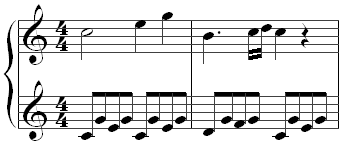





Characteristics and musical language
Classical music favors clarity of line, balanced phrasing, and a texture that often emphasizes a single melody over accompaniment (homophony) rather than the dense polyphony typical of earlier Baroque writing. Composers relied on clear harmonic progressions, tuneful themes, and formal procedures that organize musical ideas—most notably sonata form and its related practices. Accompaniments could use figurations such as the Alberti bass, while dynamics and articulation became more detailed as expressive tools. The piano began to supplant the harpsichord as the principal keyboard instrument, influencing keyboard writing and the concerto repertoire.
Forms, ensembles, and genres
Much of the period’s music is defined by its preferred forms and ensembles. Common genres include symphony, string quartet, sonata, concerto, opera, and sacred works. Important structural devices and categories are:
- Sonata form (exposition, development, recapitulation), a central organizing principle referenced as form.
- Multimovement works: symphonies and concertos typically in three or four movements.
- Chamber genres such as the string quartet, where equal interplay among instruments is emphasized.
Historical context and development
The Classical era developed as musical taste shifted from the ornate complexity of the Baroque (Baroque) toward simpler textures and clearer expressive goals. Changes in society contributed: the decline of absolute court patronage, the growth of the urban middle class, and the rise of public concerts and music publishing broadened audiences. Composers experimented with orchestral color and standardization of the orchestra’s layout, producing a repertory intended both for aristocratic salons and public concert halls. The era overlaps chronologically with the late 18th century (late 18th) and the early 19th century (early 19th), making it a bridge between older practices and the expressive ambitions of Romanticism (Romantic).
Major figures and representative works
Key composers are often presented in lists to show the range of activity during this period. Examples include:
- Joseph Haydn – development of the string quartet and mature symphony.
- Wolfgang Amadeus Mozart – operas, piano concertos, and chamber works of melodic finesse.
- Ludwig van Beethoven – late-classical to early-romantic figure who expanded formal and expressive boundaries.
- Franz Schubert – bridging lyric song (Lieder) and instrumental forms.
Uses, distinctions, and legacy
The Classical period’s music remains central to modern concert life and music education. It is often contrasted with “classical music” as a broad category that excludes popular (pop), jazz, and folk traditions, while the term also appears in encyclopedic discussions of Western art music (see classical music). Performers and scholars study Classical-era scores for their craftsmanship in music writing and for historically informed performance practice. The era’s emphasis on balance, transparency, and formal logic continues to influence composition, pedagogy, and public taste.
For further context on dates, principal repertoire, and period practice consult general reference sources and specialist accounts that trace the transition from earlier styles and the movement toward Romantic expressiveness; these topics are explored in many music histories and articles (on composers, chronologies, and concert studies covering 1750–1820).
Questions and answers
Q: What is the Classical music period?
A: The Classical music period is a time from about 1750 to 1820 when Haydn, Mozart, Beethoven, and Schubert were the most famous living composers. It is European music which is not pop music or jazz or folk music and has been written by composers who have studied the art of composition.
Q: What does the word “classical” refer to?
A: The word “classical” usually refers to the arts of Ancient Greece and Rome but it can also mean any art form which has become very famous and remembered for centuries afterwards.
Q: How does Classical music compare to Baroque music?
A: In some ways Classical music is often simpler than the music of Baroque composers. There is often a tune with a simple accompaniment using broken chords called an “Alberti bass”. For classical composers, form was very important as they started their work with a tune (theme) that would be developed in different ways such as changing key, tempo, or major/minor tonality.
Q: Who are some of the most famous composers from this period?
A: Some of the most famous composers from this period include Haydn, Mozart, Beethoven, and Schubert.
Related articles
Author
AlegsaOnline.com Classical period (music) Leandro Alegsa
URL: https://en.alegsaonline.com/art/20782