
Clef (musical notation)
A clef is a musical symbol placed on a staff to fix the pitch of written notes. This article explains types of clefs, their function, history, and common uses in notation.
Overview
A clef is a sign placed at the beginning of a musical staff that assigns specific pitches to the lines and spaces that follow. By indicating which note corresponds to a particular line, a clef serves as the "key" to reading pitch on the staff; its name derives from French clef, itself from Latin clavis, meaning "key." Without a clef the vertical position of a note on the staff would be ambiguous.
Image gallery
10 Images



How clefs work
The standard staff has five horizontal lines and four intervening spaces. Each clef marks one of those lines as a reference note, and the rest of the pitches are read up or down from that reference. Because a single five-line staff covers only a limited pitch range (roughly one and a half octaves without ledger lines), different clefs shift the staff so high or low voices and instruments can be written comfortably without excessive ledger lines.
Common clefs and their uses
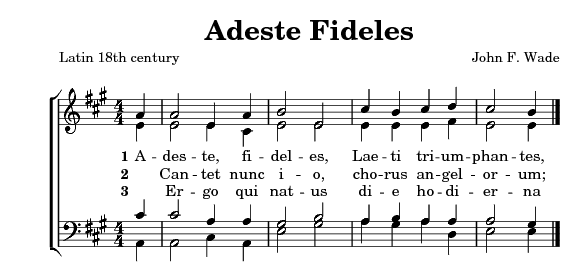
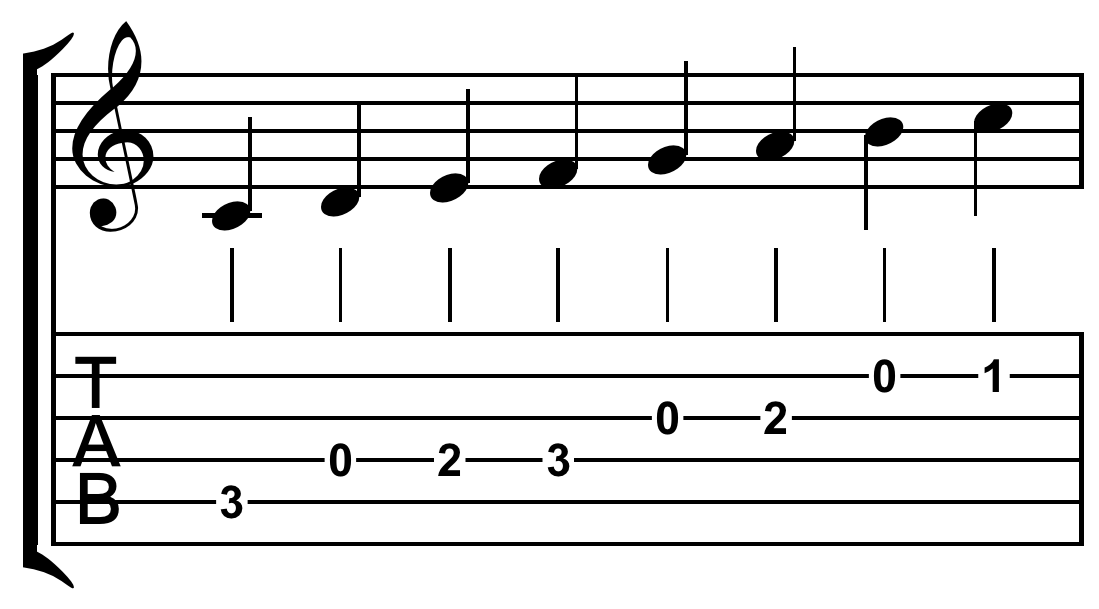
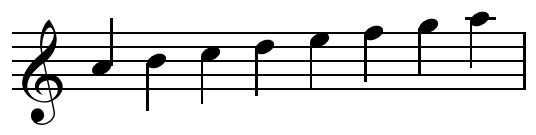
- Treble clef (G clef): places the note G above middle C on the second line; used for violin, flute, most right-hand piano parts, and many higher-voice instruments.
- Bass clef (F clef): marks the F below middle C on the fourth line; used for cello, trombone, bassoon, left-hand piano parts and lower voices.
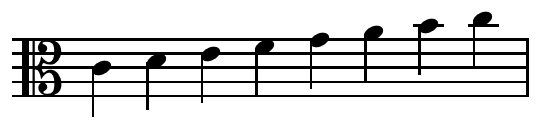
- Alto and tenor clefs (C clefs): movable clefs that designate a line as middle C; historically common for viols and still used for viola (alto) and some tenor-range parts.
Other variants include octave-transposing clefs and specialized forms used in choral, early music, or orchestral scores. A single piece of music may show clef changes within a staff when the melodic range shifts significantly.
History and notable facts
Clefs evolved from medieval notation and the need to make pitch relationships explicit as polyphony developed. The modern treble and bass clefs became standard as instruments and keyboard techniques expanded. Historically, a wider set of movable clefs allowed scribes to center middle C on different lines; printers and modern conventions eventually narrowed the set to those most useful for common instruments and voices.
Understanding clefs is fundamental for performers and conductors because they determine how written notes map to sounding pitch. Learning to read at least the treble and bass clefs is a basic skill for many musicians; recognizing less common clefs remains important for orchestral players, early-music specialists, and arrangers.
Questions and answers
Q: What is a clef?
A: A clef is a sign at the beginning of a staff of music which makes it possible for the player to work out what the notes are.
Q: What does "clef" mean?
A: The word “clef” is a French word meaning “key”. The original Latin word is “clavis”, meaning key.
Q: What does the staff consist of?
A: The staff (or “stave”) consists of five lines across the page. The notes are placed on these lines and in these spaces.
Q: How much music can be covered by one staff?
A: The staff is only large enough to cover one and a half octaves of music (a bit more with ledger lines).
Q: Why do different clefs need to be used?
A: Different clefs are used for high music and for low music because one staff cannot cover all ranges of notes.
Related articles
Author
AlegsaOnline.com Clef (musical notation) Leandro Alegsa
URL: https://en.alegsaonline.com/art/20907