
Albany, Wisconsin: Village overview and history
Albany is a small village in Green County, Wisconsin, United States. This article summarizes its location, character, history, economy, governance, and notable facts, with links for further reference.
Albany is a small incorporated village in Green County in southern Wisconsin, United States. It functions as a local center for nearby farms and rural residents and is one of several small communities that make up the county's largely agricultural landscape. Basic reference material lists Albany's population at about 1,191 people as of the 2000 census, though more recent counts have varied as is common in small rural communities. For county-level context see Green County and for state context see Wisconsin and statewide resources.
Image gallery
1 Image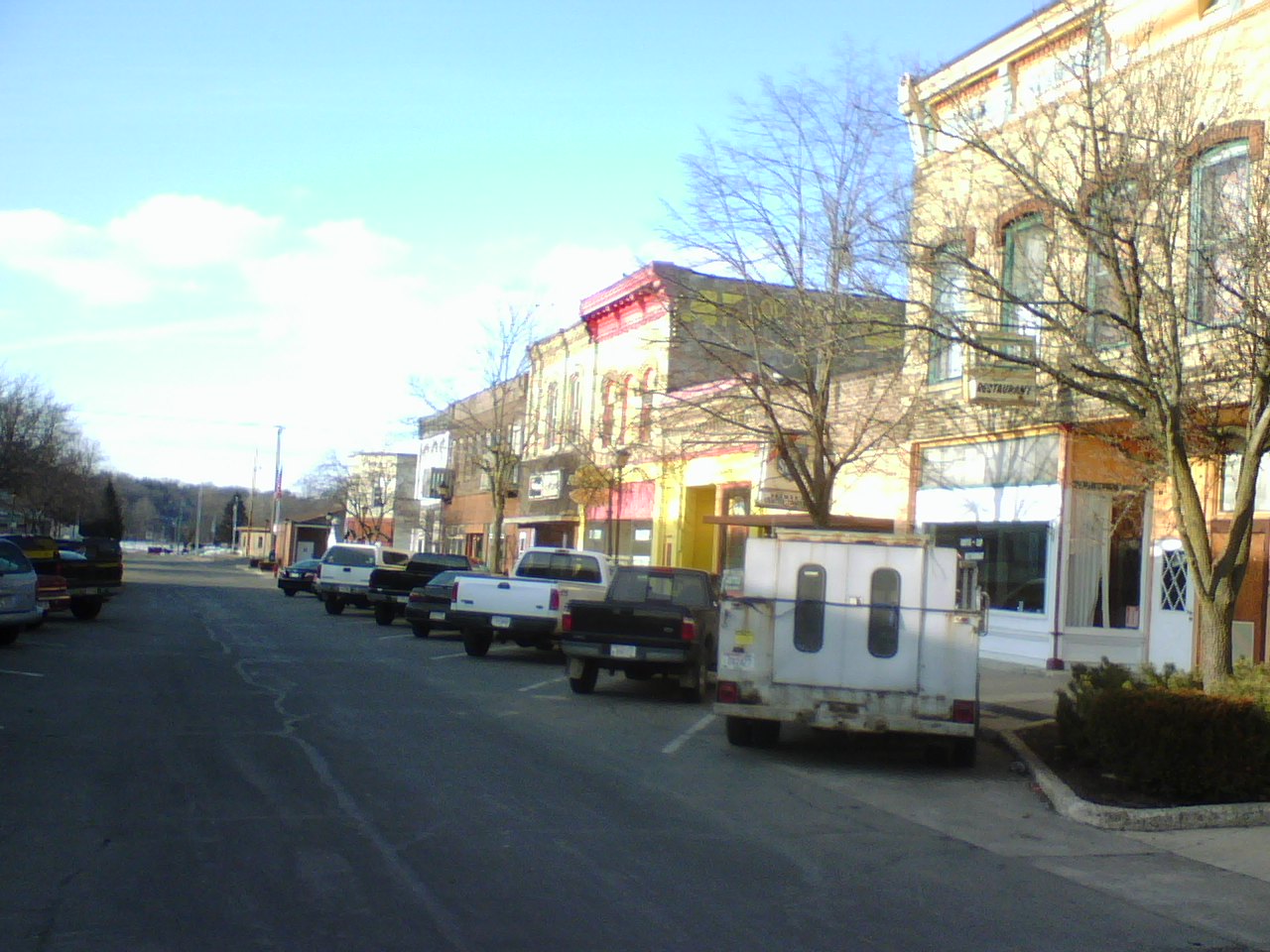
Geography and setting
Albany sits amid rolling farmland and small woodlots typical of southern Wisconsin. The village is connected to nearby towns and regional roads that serve local commerce and commuting. Its setting is predominantly rural, with residential development concentrated in a compact downtown and surrounding neighborhoods. For national context consult United States resources and for population snapshots see the linked census information below.
History and development
The village dates to the 19th century when waves of settlers established farms and small service centers across Wisconsin. Like many Midwestern settlements, Albany grew around agriculture, local trade, and the transportation routes that linked farms to larger market towns. The village name follows a common American pattern of borrowing names from older eastern cities. Researchers can follow demographic records through local and federal sources; a 2000 population figure is recorded in public databases (population data, census details).
Economy, community and governance
Albany's economy is centered on agriculture, small businesses, and services that support rural life. Local institutions typically include a village board, volunteer organizations, and community facilities such as schools, churches, and parks. Residents often work in a mix of local employment and jobs in nearby towns or regional centers. Community life in villages like Albany commonly revolves around seasonal events, school activities, and civic groups.
Notable features and distinctions
- Small, close-knit population characteristic of rural Wisconsin villages.
- Role as a service hub for surrounding agricultural areas.
- Historical roots in 19th-century settlement patterns of the Upper Midwest.
For further reading and official statistics, consult the county and state resources linked above and local historical societies which maintain archives on settlement and development patterns. Additional online or municipal pages provide current governance contacts, calendar events, and updated demographic figures through the links provided.
Tags
Related articles
Author
AlegsaOnline.com Albany, Wisconsin: Village overview and history Leandro Alegsa
URL: https://en.alegsaonline.com/art/2063