
Albemarle County, Virginia: Overview, History, and Notable Features
Albemarle County in central Virginia surrounds Charlottesville. Known for Monticello, the University of Virginia, rolling Piedmont landscape, wineries, and a mix of rural and suburban communities.
Albemarle County lies in the central region of the Commonwealth of Virginia. The county seat is the independent city of Charlottesville, which functions as the administrative and commercial center for the surrounding county. According to the 2010 census, the county had 98,970 residents; the area has experienced steady growth since then, combining rural landscapes with expanding suburban neighborhoods.
Image gallery
9 Images


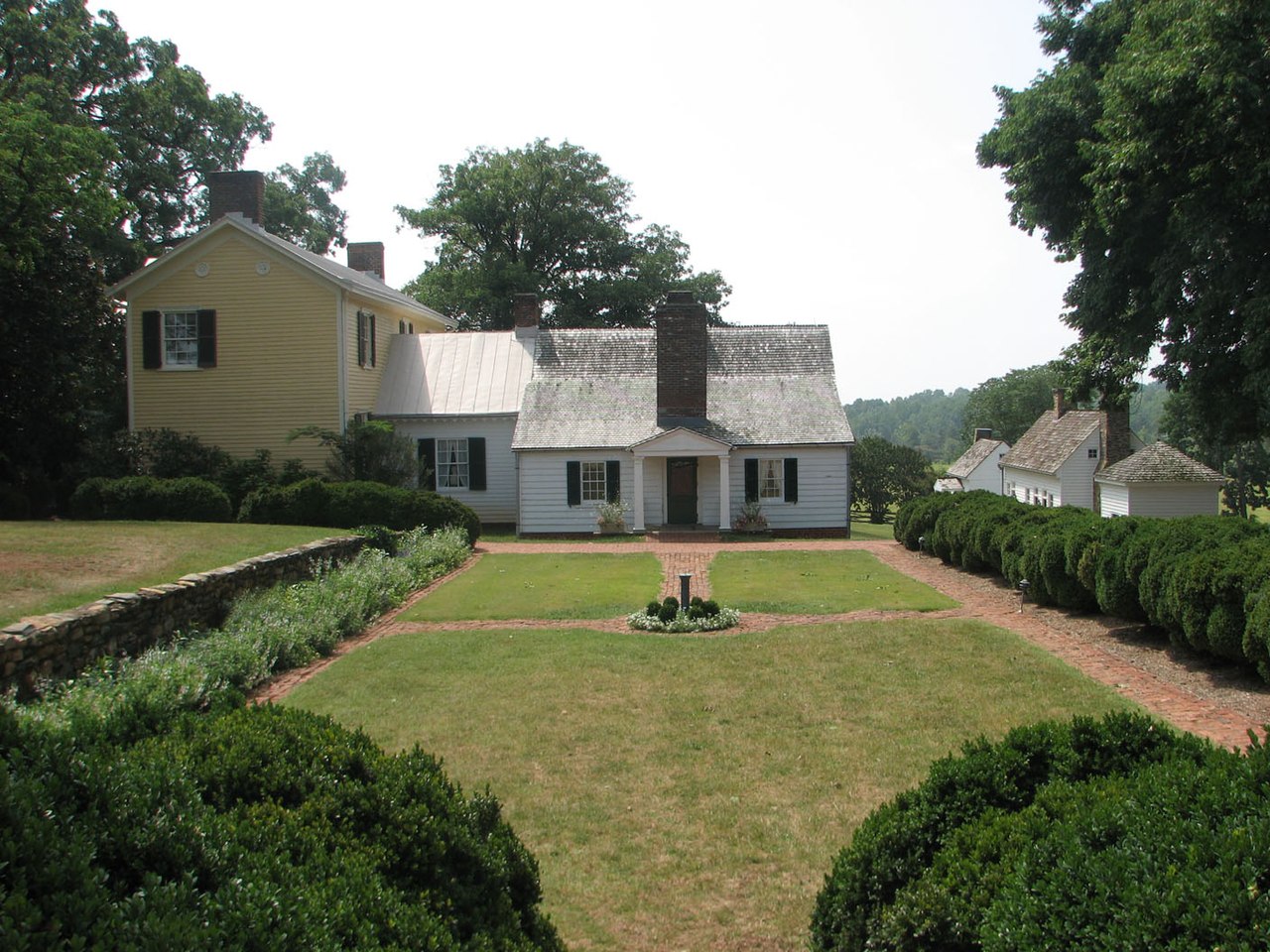



Geography and environment
The county occupies a varied landscape of rolling Piedmont hills, river valleys and the eastern slopes of the Blue Ridge Mountains. The Rivanna River and its tributaries drain much of the county and have shaped settlement patterns and agriculture. Soils and climate support a mix of crop farming, horse farms and vineyards. Protected areas, hiking trails and scenic byways contribute to outdoor recreation and conservation efforts.
History and cultural landmarks
Settled by Europeans in the 18th century, the county developed through tobacco, mixed farming and later diversified agriculture. It is closely associated with Thomas Jefferson: his plantation Monticello and the academic campus he founded are located nearby and together with other sites form a nationally and internationally recognized cultural landscape. Monticello and the University of Virginia are among the county’s most visited historic places.
Government and organization
Albemarle is governed by an elected board of supervisors and provides typical county services such as schools, land use planning and public safety. A notable administrative feature is that the city of Charlottesville serves as the county seat while remaining politically independent under Virginia law, a common arrangement in the state. Local planning balances preservation of rural character with pressures for residential and commercial development.
Economy, education and culture
The economy blends education, healthcare, light manufacturing, technology, small business and a robust tourism and hospitality sector anchored by the University of Virginia. Viticulture and wineries have become important for agritourism. Cultural life includes festivals, art galleries, music venues and historic house tours that draw regional visitors throughout the year.
Attractions and recreation
- Historic sites and plantations, including Jefferson-era landmarks.
- University-related museums, performances and academic events.
- Wineries, farm-to-table restaurants and local farmers markets.
- Outdoor recreation: trails, parks and river access for boating and fishing.
For official county services and planning documents consult the county government links and local resources. The relationship between the county and the independent city of county seat arrangements is an important part of its civic identity.
Related articles
Author
AlegsaOnline.com Albemarle County, Virginia: Overview, History, and Notable Features Leandro Alegsa
URL: https://en.alegsaonline.com/art/2071