
Albany, Oregon — Willamette Valley city and county seat
Albany is a city in the Willamette Valley of Oregon, serving as the county seat of Linn County. Founded in the mid-19th century, it blends agriculture, manufacturing, historic districts and community events.
Albany is a city in the U.S. state of Oregon located in the fertile Willamette Valley. It sits where the Calapooia River meets the larger Willamette River, and functions as the county seat of Linn County. Settlers established the community in the late 1840s, and it has grown from a frontier settlement into a regional center for farming, manufacturing and services. Albany’s layout and many of its civic institutions reflect a mix of 19th-century origins and 20th- and 21st-century development.
Image gallery
10 Images


Geography and overview
The city lies in the agricultural heart of the Willamette Valley, a broad inland plain that supports fruit, grain and vegetable production as well as livestock. Albany’s river confluence and nearby rail connections helped shape its early economy. Today the city is accessible from surrounding metropolitan areas by regional highways and serves as a hub between larger cities to the north and south. Albany’s setting includes more than thirty parks and a network of trails that follow the rivers and green corridors through town.
History and development
Albany was founded by pioneers in the era of westward settlement; local records point to the late 1840s as the start of permanent European-American settlement. Over the following decades the community developed sawmills, agricultural processing, and transportation links that tied it to regional markets. Elements of this history survive in historic districts and preserved buildings, and the city emphasizes its heritage through museums and educational programs.
Government and civic life
Albany operates under a home rule charter with a council-manager form of government. A city council sets policy and a professional city manager handles daily administration. The municipal government maintains parks, libraries and senior services and sponsors public events that attract residents and visitors alike, including summer concert series and community festivals. As the county seat, Albany also hosts county offices and courts that serve a wider rural region.
Economy and land use
Agriculture and manufacturing remain important economic pillars. Farm production in the surrounding valley supplies food processors and markets, while light and heavy manufacturing provide local jobs in metal fabrication, wood products and related industries. Health care, retail trade and public services are significant employers. In recent decades the city has invested in downtown revitalization and economic redevelopment to strengthen its commercial core and attract small businesses.
Culture, attractions and transportation
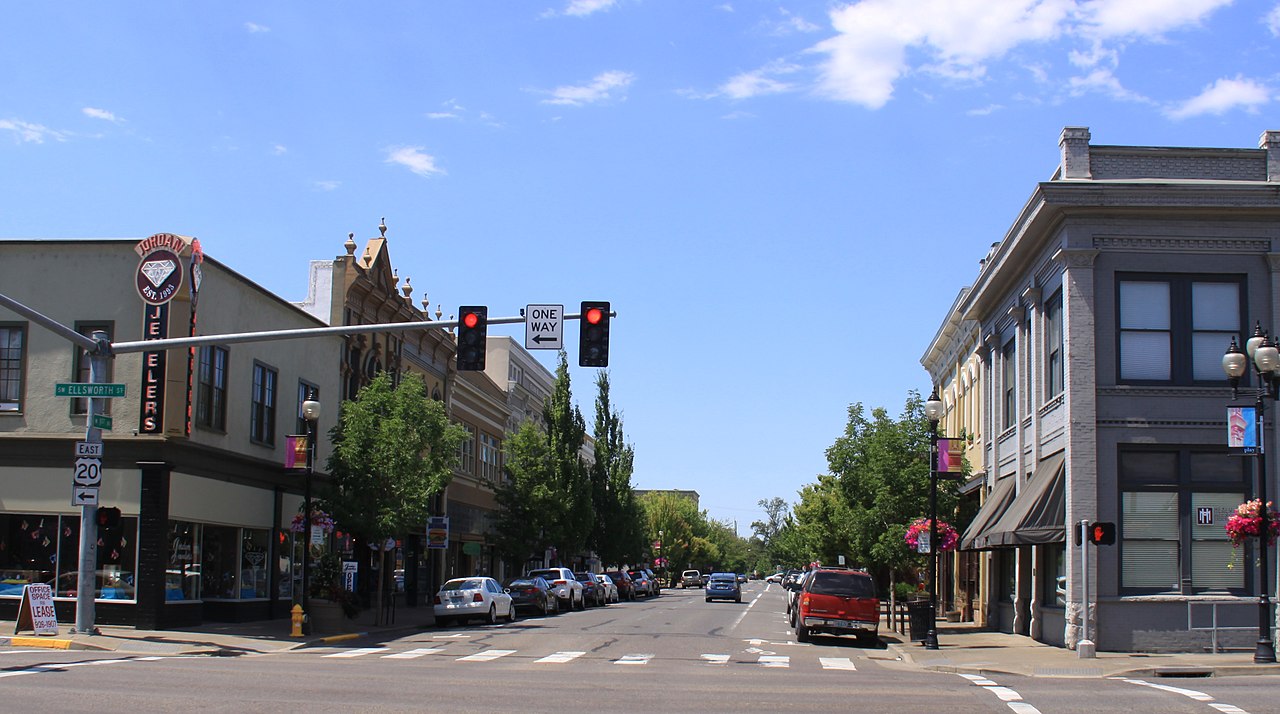
Albany is known for a compact historic downtown and several cultural assets such as the Monteith House and community museums that interpret local history. Riverfront parks, walking trails and annual events contribute to quality of life. Transportation links include regional highways and freight rail that reflect Albany’s role in moving agricultural and manufactured goods. The population has grown steadily since the late 20th century, making the city a mid-sized regional center with both small-town character and civic amenities.
- Founded: mid-19th century (settlement began around 1848)
- County seat of Linn County
- Located in the Willamette Valley at the meeting of the Calapooia and Willamette rivers
- Government: home rule charter, council-manager
- Key sectors: agriculture, manufacturing, health care and retail
For further local information and services consult municipal resources and regional guides; historical and cultural organizations maintain detailed records on Albany’s development and community programs. Additional background on the state and regional context is available through sources that cover Oregon and the broader Pacific Northwest transportation and agricultural networks.
Questions and answers
Q: What is Albany?
A: Albany is a city located in the U.S. state of Oregon.
Q: How does Albany compare in size to other cities in Oregon?
A: As of 2007, Albany is the eleventh largest city in Oregon.
Q: What is the county seat of Linn county?
A: Albany is the county seat of Linn county.
Q: What is the significance of the Calapooia River and the Willamette River in Albany?
A: Albany is located where the Calapooia River and the Willamette River meet.
Q: What industries are important in Albany?
A: Farming, manufacturing, retail sales, and health care are all important industries in Albany.
Q: What is the population of Albany?
A: As of 2009, the estimated population of Albany is 49,165.
Q: What is CARA and how has it impacted Albany's economy?
A: The Central Albany Revitalization Area (CARA) has helped fix up the downtown shopping area in Albany to make it a more important part of the economy.
Related articles
Author
AlegsaOnline.com Albany, Oregon — Willamette Valley city and county seat Leandro Alegsa
URL: https://en.alegsaonline.com/art/2058
Sources
- northernoregon.com : "ALBANY OREGON"
- cityofalbany.net : "City of Albany"
- factfinder.census.gov : "American FactFinder"
- geonames.usgs.gov : "US Board on Geographic Names"
- sos.oregon.gov : "Oregon Blue Book"
- naco.org : "Find a County"
- cityofalbany.net : "Population, Location, and Other Facts"
- factfinder.census.gov : "American fact Finder"
- pdx.edu : "population Report 2009"
- city-data.com : "Albany, Oregon Economy and Business Data"
- cityofalbany.net : "An urban renewal district in the heart of Albany"