
City of Lancaster (local government district, Lancashire)
Overview of the City of Lancaster district in Lancashire, England: geography, settlements, governance, economy, transport and notable features, including Lancaster, Morecambe, Heysham and Carnforth.
The City of Lancaster is a local government district in the county of Lancashire, in northwest England. It takes its name and city status from its principal settlement, Lancaster. The district includes a mix of urban centres, coastal towns and rural countryside. At the start of the 21st century the district was recorded with a population of 133,914 (2002 figure), reflecting a community that combines historical city life with more relaxed coastal and rural areas.
Image gallery
10 Images



Geography and settlements
The district covers the city of Lancaster plus a number of towns and villages along the north Lancashire coast and inland. Major population centres include:
- Lancaster — the administrative and cultural heart of the district.
- Morecambe — a seaside town known for its bay and promenade.
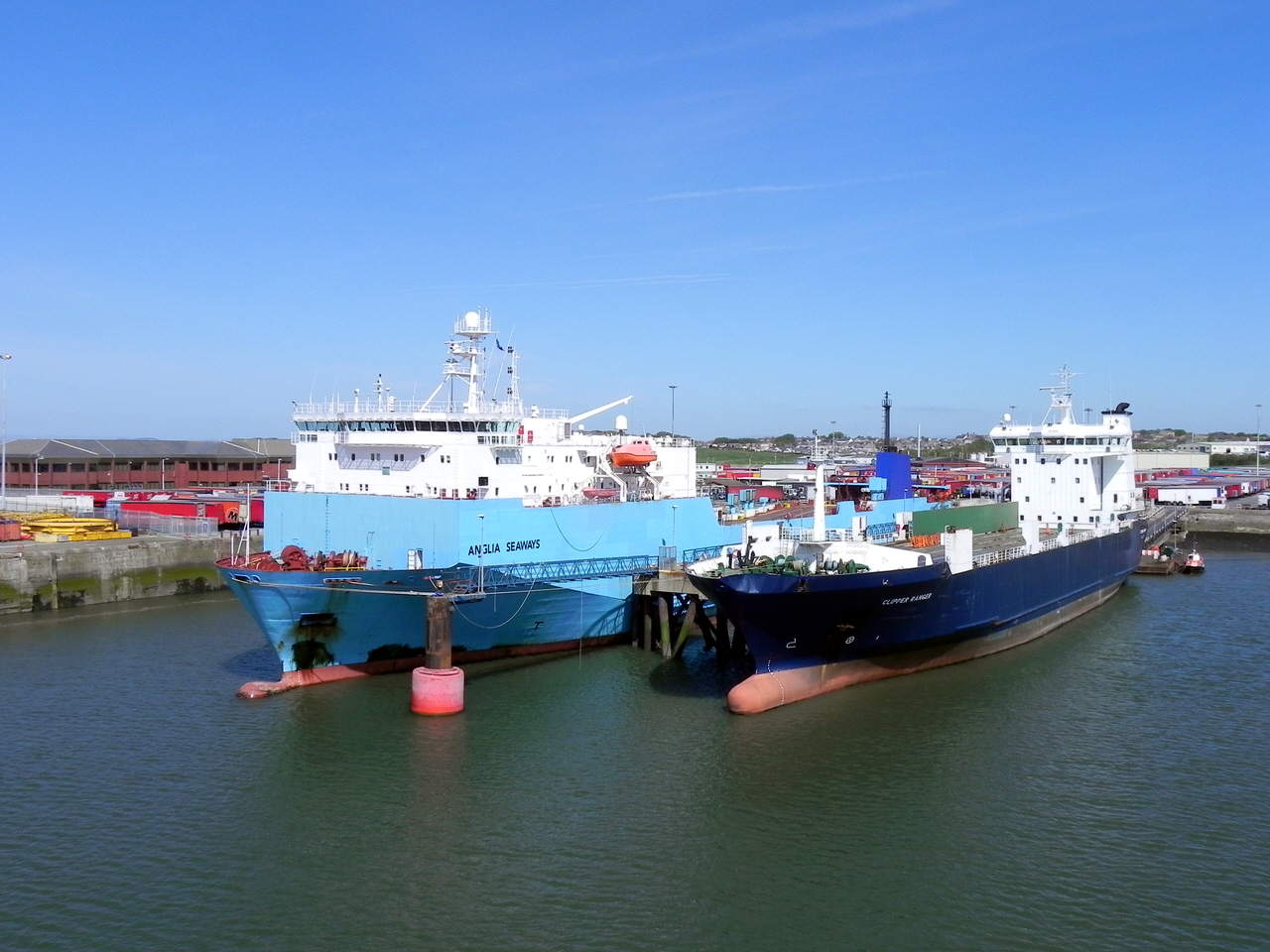
- Heysham — a port and ferry point with industrial and maritime connections.
- Slyne — a village south of Lancaster, typical of the district’s rural settlements.
- Carnforth — a market town with railway links serving the wider area.
History and governance
The district was formed through local government arrangements that grouped urban and rural communities under a single council. Lancaster itself has a long history as a Roman, medieval and later administrative centre, and its city status influences the identity of the whole district. Local government is provided by a district (city) council responsible for planning, housing, environmental health and local services, while county-wide functions are the remit of Lancashire authorities.
Economy, transport and infrastructure
Economic activity in the City of Lancaster district is diverse: Lancaster hosts education, public administration and service industries, Morecambe has tourism and leisure sectors, and Heysham supports port and energy-related activity. Transport links include regional roads, rail connections through stations such as Carnforth and Lancaster, and ferry services linked to the port at Heysham. The combination of coastal access and inland transport corridors shapes commuting and trade patterns.
Culture, landmarks and environment
The district contains notable historical and natural assets: medieval and later architecture in Lancaster, coastal landscapes around Morecambe Bay, and industrial heritage in towns like Carnforth. Cultural institutions, festivals and outdoor recreation attract both residents and visitors. Conservation areas and protected coastal habitats contribute to local environmental planning and tourism appeal.
Distinctions and practical notes
Although often referred to simply as "Lancaster," the City of Lancaster is a district that includes multiple towns and villages in addition to the city itself. This administrative distinction affects local services, planning and identity. For further local information see sources and council publications linked from official pages such as the district council and regional guides (county, national references).
Related articles
Author
AlegsaOnline.com City of Lancaster (local government district, Lancashire) Leandro Alegsa
URL: https://en.alegsaonline.com/art/20552