
Lancaster, Lancashire
County town of Lancashire in northwest England, known for its historic castle, university, river setting and role as an administrative and cultural centre.
Overview
Lancaster is the county town of Lancashire in northwest England. It lies on the River Lune and is the administrative heart of the local government area formally known as the City of Lancaster. The historic core, mixed Georgian streets and waterside quays contribute to a compact town centre with a long civic role.
Image gallery
10 Images



Geography and character
The town stands where the broad valley of the River Lune narrows toward the Irish Sea. Its centre retains medieval street patterns around the castle and priory, while Victorian and Georgian architecture shapes much of the visible townscape. Parks and hillside vistas, notably Williamson Park with the Ashton Memorial, provide local green space and views across the estuary and surrounding countryside.
History and heritage
Lancaster has recorded settlement since Roman and early medieval times, growing as a market and administrative centre. Lancaster Castle, prominently sited near the river, has been a fortress, a court and a prison across many centuries. It is closely associated with historic events such as the trials of the Pendle witches in 1612; the castle and its courtroom remain key heritage attractions and reminders of the town's legal role.
Landmarks and culture
- Lancaster Castle – medieval and later structures with public tours and legal history exhibits.
- Lancaster Priory – parish church with ancient foundations and regular services.
- Williamson Park and Ashton Memorial – elevated parkland overlooking the town and estuary.
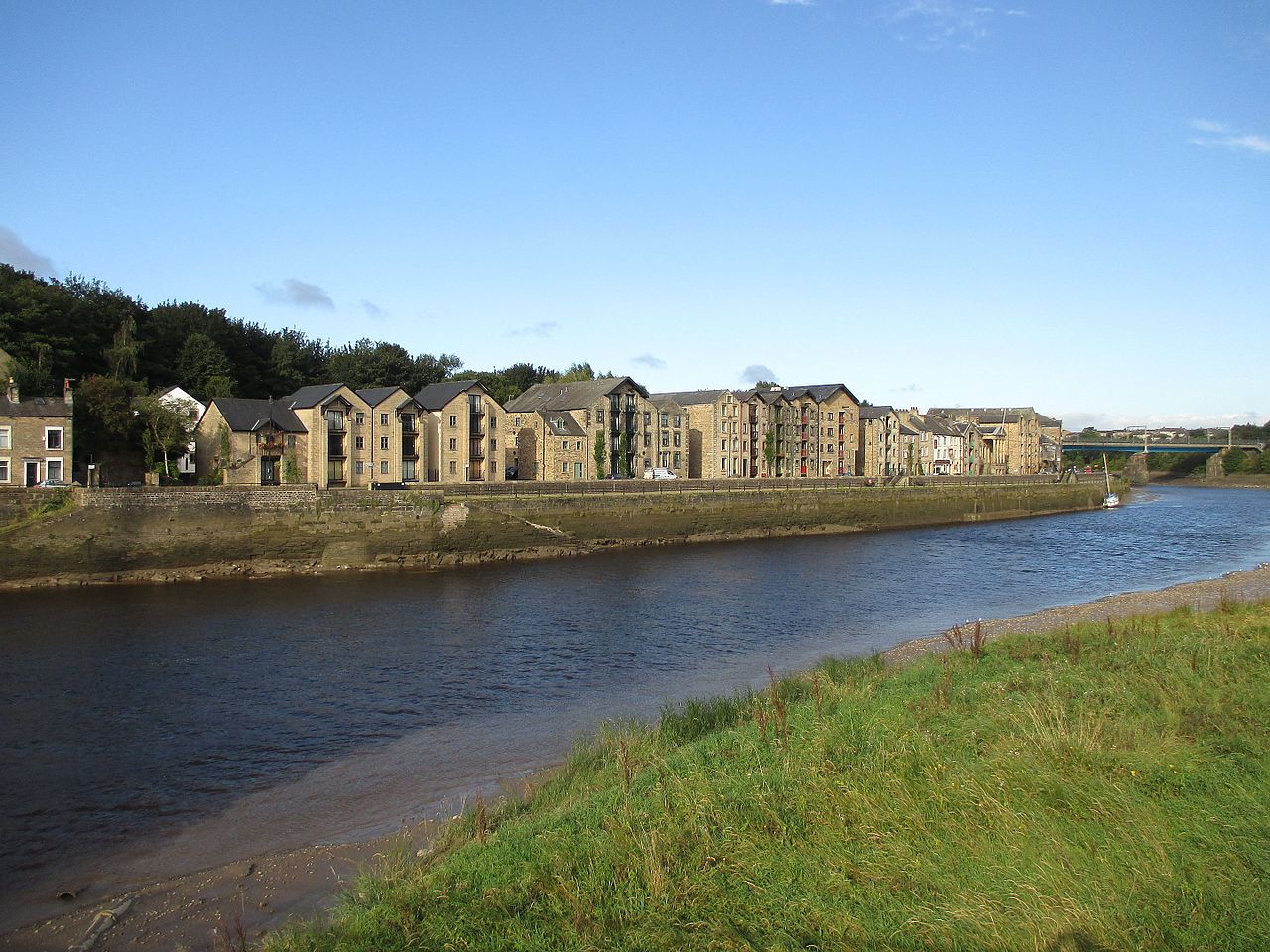
- Riverside and quay areas – regenerated docks and leisure spaces along the Lune.
Education, economy and transport
The town is notable for Lancaster University, which lies a short distance from the centre and contributes to local cultural and economic life. Historically associated with mills, trade and shipping, Lancaster's contemporary economy mixes higher education, public administration, retail, light industry and tourism. Good road and rail links connect the town to the M6 motorway and national rail network, making it accessible from larger cities in the region.
Administration and modern role
Although often described as a town rather than a city, Lancaster lends its name to the wider local government district and to regional institutions, including the Duchy of Lancaster, a historic estate linked to the Crown. Visitors and residents value Lancaster for its concentrated historic core, cultural events, university presence and proximity to the Lake District and coastal landscapes.
Further information and resources are available through local heritage and tourism organisations; for specific guides on history and attractions, consult official town or county resources and archives such as those relating to the Pendle witch trials.
Related articles
Author
AlegsaOnline.com Lancaster, Lancashire Leandro Alegsa
URL: https://en.alegsaonline.com/art/55750