
City of Wakefield (West Yorkshire)
A metropolitan borough and cathedral city in West Yorkshire, England, encompassing Wakefield and nearby towns such as Pontefract, Castleford and Normanton; noted for industrial heritage and cultural landmarks.
Overview
The City of Wakefield is a metropolitan borough and cathedral city in West Yorkshire, England. The local authority, Wakefield Council, administers an area that includes the city of Wakefield itself and a number of neighboring towns and villages. The borough combines urban centres, former industrial communities and rural stretches of countryside. Its population is commonly given as around 320,000 people, though figures vary with time and boundary definitions.
Image gallery
9 Images



Settlements and structure
Wakefield sits at the heart of the district, but many residents identify first with their town rather than the wider city. Principal towns in the borough include:
- Normanton
- Pontefract
- Featherstone
- Castleford
- Knottingley
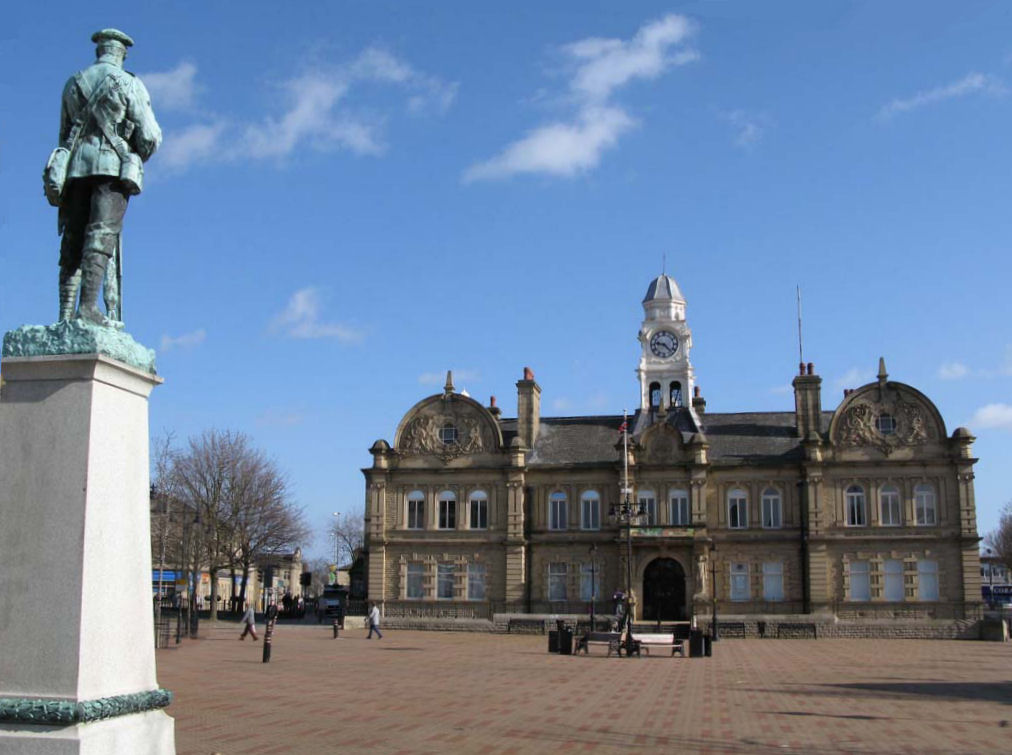
Each place retains its own local character, history and community institutions. Wakefield itself functions as the administrative and cultural centre, with shopping, civic offices and rail connections that serve the wider district.
History and development
The area grew through a mix of medieval market activity and later industrial expansion. Coal mining, glassmaking, textiles and manufacturing shaped much of the borough during the 18th to 20th centuries, leaving a legacy of industrial architecture, canals and transport routes. Many communities transitioned from heavy industry to a more mixed economy during the later 20th century, with regeneration projects focusing on culture, retail and service sectors.
Economy, transport and infrastructure
Transport links are an important feature: the city benefits from several railway stations connecting to regional centres and from road links that provide access across Yorkshire and beyond. Local economies combine public services, retail, light manufacturing and logistics. Regeneration efforts have sought to repurpose former industrial sites for housing, business parks and leisure uses.
Culture, landmarks and local life
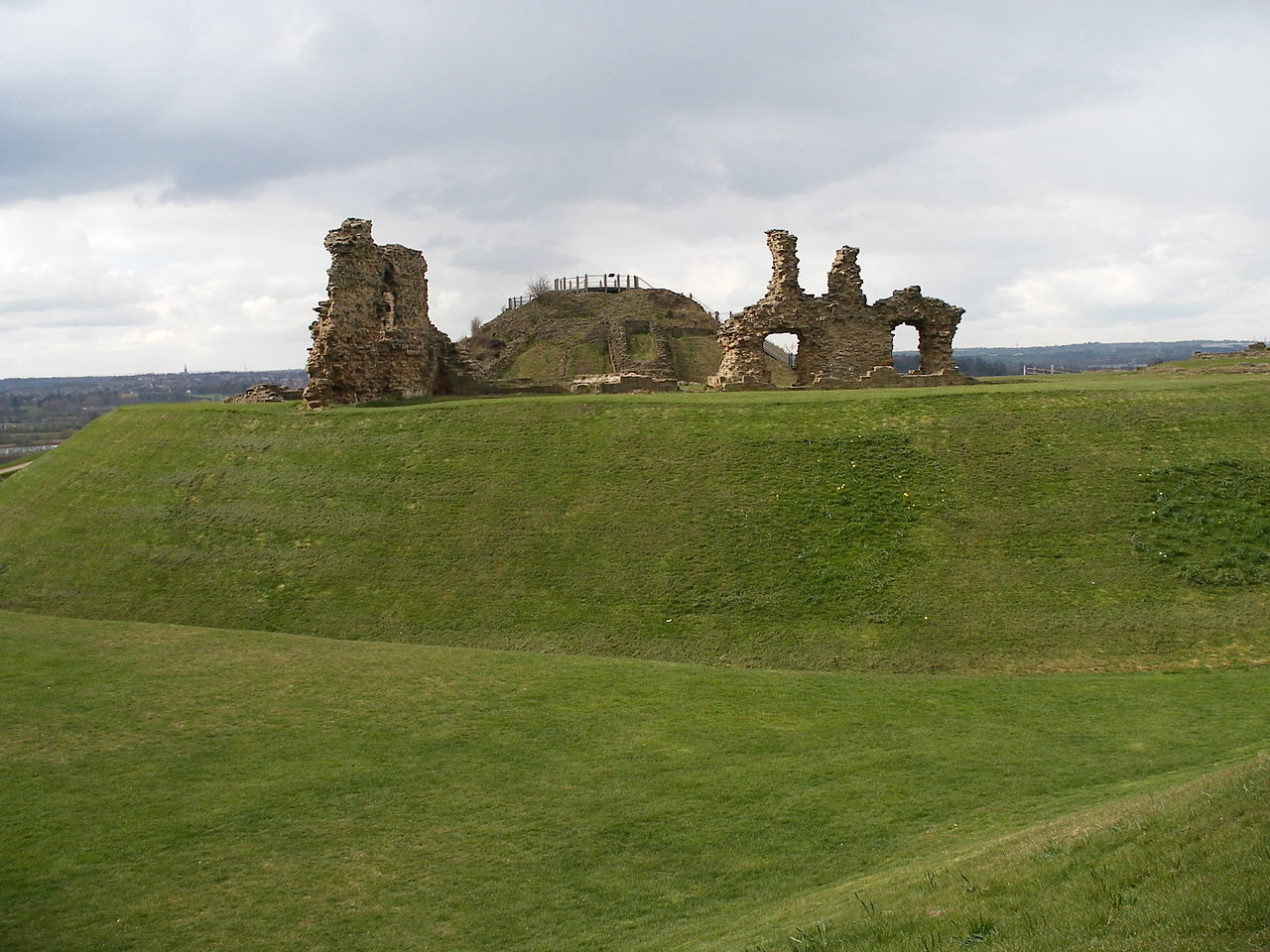
The City of Wakefield contains cultural and historic points of interest such as the cathedral and museums that interpret the area's industrial and social history. The surrounding towns contribute culinary and sporting traditions: for example, Pontefract is known for its long association with liquorice confectionery (often called Pontefract cakes), while several towns support rugby league clubs and community festivals.
Notable facts and traditions
One widely repeated local anecdote concerns a mulberry tree in the exercise yard of Wakefield Prison. Local tradition suggests that inmates walking around the tree composed the nursery rhyme "Here We Go Round the Mulberry Bush"; this story is presented as folklore rather than documented fact, and sources vary about its origins. The tree itself is sometimes mentioned in histories and tourist accounts that highlight the borough's blend of social history and legend. The mulberry is also referenced in botanical or cultural notes as mulberry-related heritage.
For further reading about administrative arrangements and services across the district see the borough pages and town guides; local resources and visitor information are often hosted by regional organisations and councils. Additional context on transport and community programmes is available from regional transport and civic sources that describe links across West Yorkshire and to the national network.
People seeking more detail on Wakefield’s neighbourhoods, history and current initiatives can consult local archives and cultural institutions, or authoritative online sources and council publications. Relevant civic, historical and travel information may be found through regional directories and visitor pages maintained by public and heritage organisations.
Readers interested in learning more about particular towns or places mentioned here can follow local links to community sites and historical summaries: community resources and transport guides often provide timetables and practical advice, while heritage pages collect historical images and records. Additional official and third-party resources may be cited under local listings and archives for those seeking primary documents or in-depth studies.
Tags
Related articles
Author
AlegsaOnline.com City of Wakefield (West Yorkshire) Leandro Alegsa
URL: https://en.alegsaonline.com/art/20561
Sources
- wakefield.gov.uk : "The story of Wakefield Prison & the origin of a nursery rhyme"
- credoreference.com : "Wakefield"
- commons.wikimedia.org : Wakefield