
Circus Maximus (ancient Roman chariot-racing stadium)
The Circus Maximus was ancient Rome's largest venue for chariot races and public spectacles. It evolved across centuries and today survives as an archaeological site and public park in Rome.
Overview
The Circus Maximus was the principal public arena for chariot racing and mass spectacles in ancient Rome. Situated in the valley between the Palatine and Aventine hills, it served as a focal point for religious festivals, triumphal processions and civic gatherings from the early Republic through the imperial era.
Image gallery
10 Images



Design and principal elements
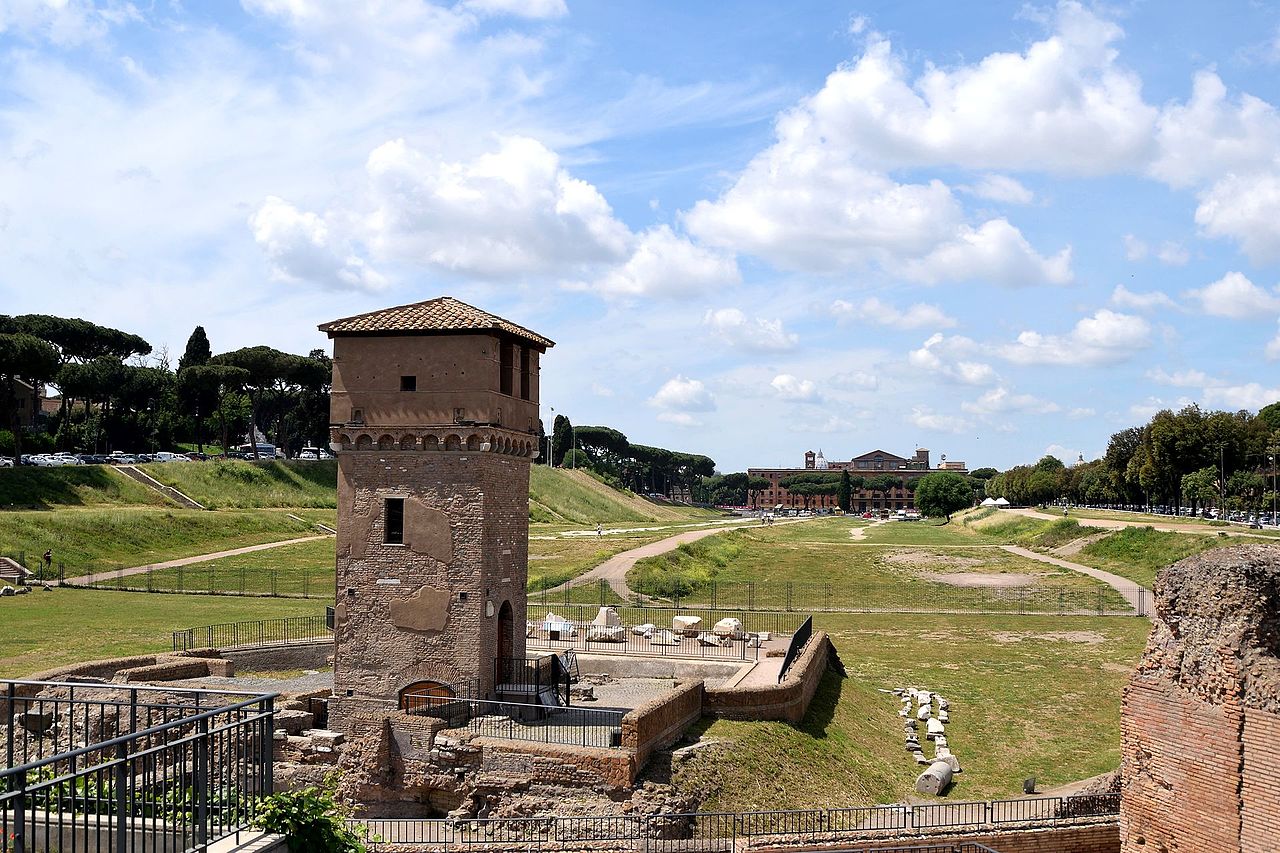
As an elongated oval track, the Circus Maximus combined simple engineering with the needs of large crowds. Distinctive features included the spina, a long central barrier decorated with monuments and obelisks; the metae or turning posts at each end; and the carceres, a row of starting gates for the chariots. Terraced seating rose along the long sides and ends, providing room for tens of thousands of spectators.
History and development
Although its origins reach back to Rome's early monarchy and Republican period, the site was rebuilt and enlarged repeatedly by Roman authorities and emperors. Over the centuries successive repairs and expansions adapted the Circus to growing audiences and the tastes of imperial pageantry. Many of the most visible modifications date to the late Republic and imperial ages, when monumental sculpture and architecture enhanced the spina and stands.
Uses and cultural role
Chariot racing was the Circus's central attraction and a dominant element of Roman public entertainment; the races themselves are commonly associated with chariot sport. Beyond racing, the venue hosted religious ceremonies, public games, political demonstrations and occasional staged combats. The scale and frequency of events made the Circus a key instrument of social life and imperial image-making.
Later history and archaeology
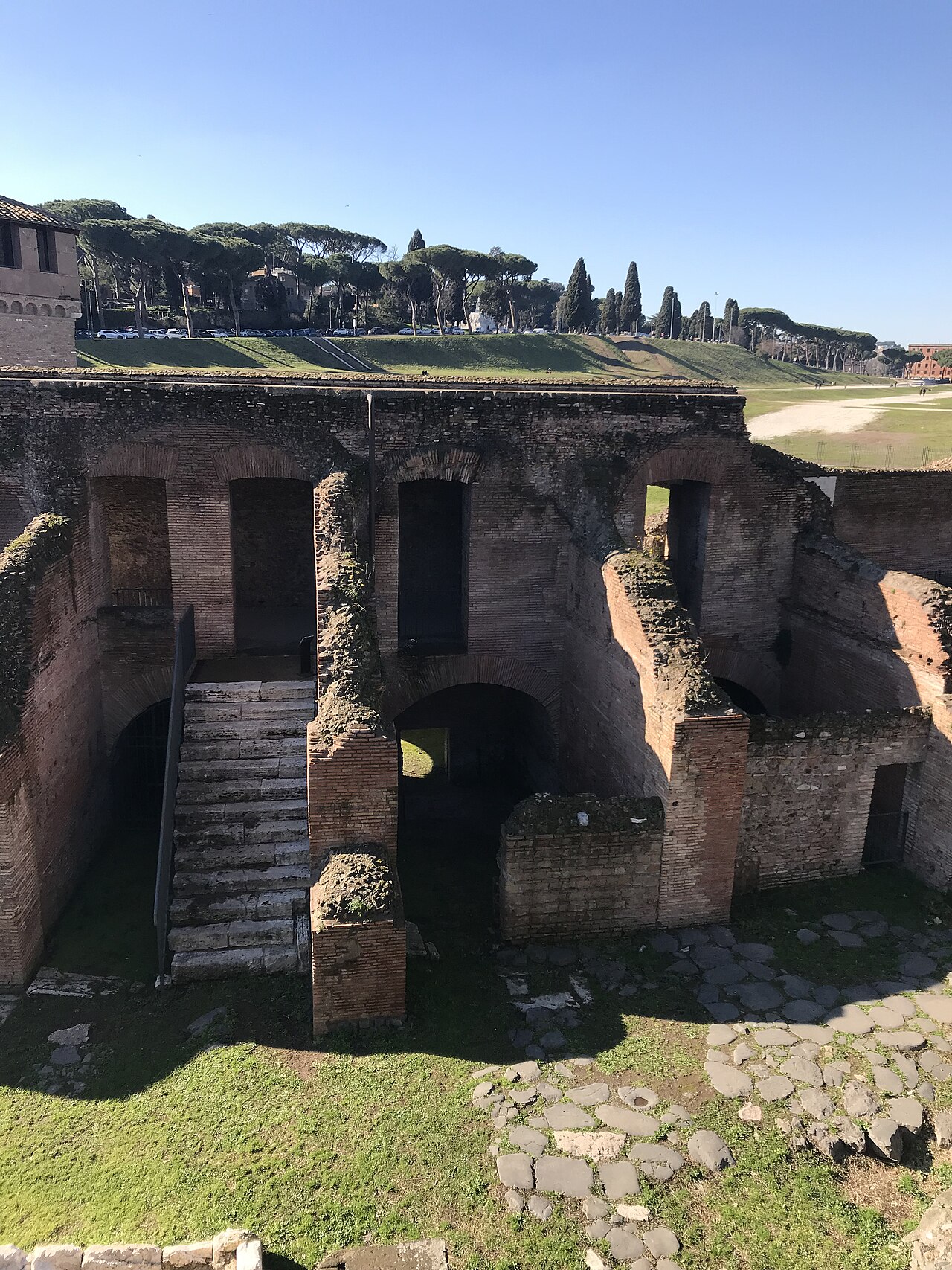
Following the decline of imperial power, the structure lost most of its function and much of its stone was quarried for other buildings. Excavations and research from the 19th century onward have revealed foundations, portions of seating and the layout of the track. Today the site has been partially restored and interpreted for visitors as an archaeological landscape.
Legacy and modern use
The Circus Maximus remains a powerful symbol of Rome's urban culture. Its footprint is now largely an open green space used as a public park and occasional concert venue, reflecting a long continuity of communal gatherings at the site. For further historical context see general sources on Roman topography and stadium architecture at Roman studies.
- Main components: spina, metae, carceres, seating tiers.
- Primary function: chariot racing and mass spectacles.
- Modern status: archaeological site and public park.
Related articles
Author
AlegsaOnline.com Circus Maximus (ancient Roman chariot-racing stadium) Leandro Alegsa
URL: https://en.alegsaonline.com/art/20467