
Chariot racing
Ancient spectacle of competitive horse-drawn chariots, popular in Greece and Rome. A dangerous, ritualized sport with social, political and economic significance, organized around teams, courses and public betting.
Overview
Chariot racing was one of the most popular public spectacles in antiquity, especially in Greece and Rome. Races pitted horse-drawn vehicles and their drivers against each other around a track, drawing crowds from across social classes. The combination of speed, close contact at turns and frequent collisions made the sport dramatic and dangerous for both drivers and horses.
Image gallery
10 Images


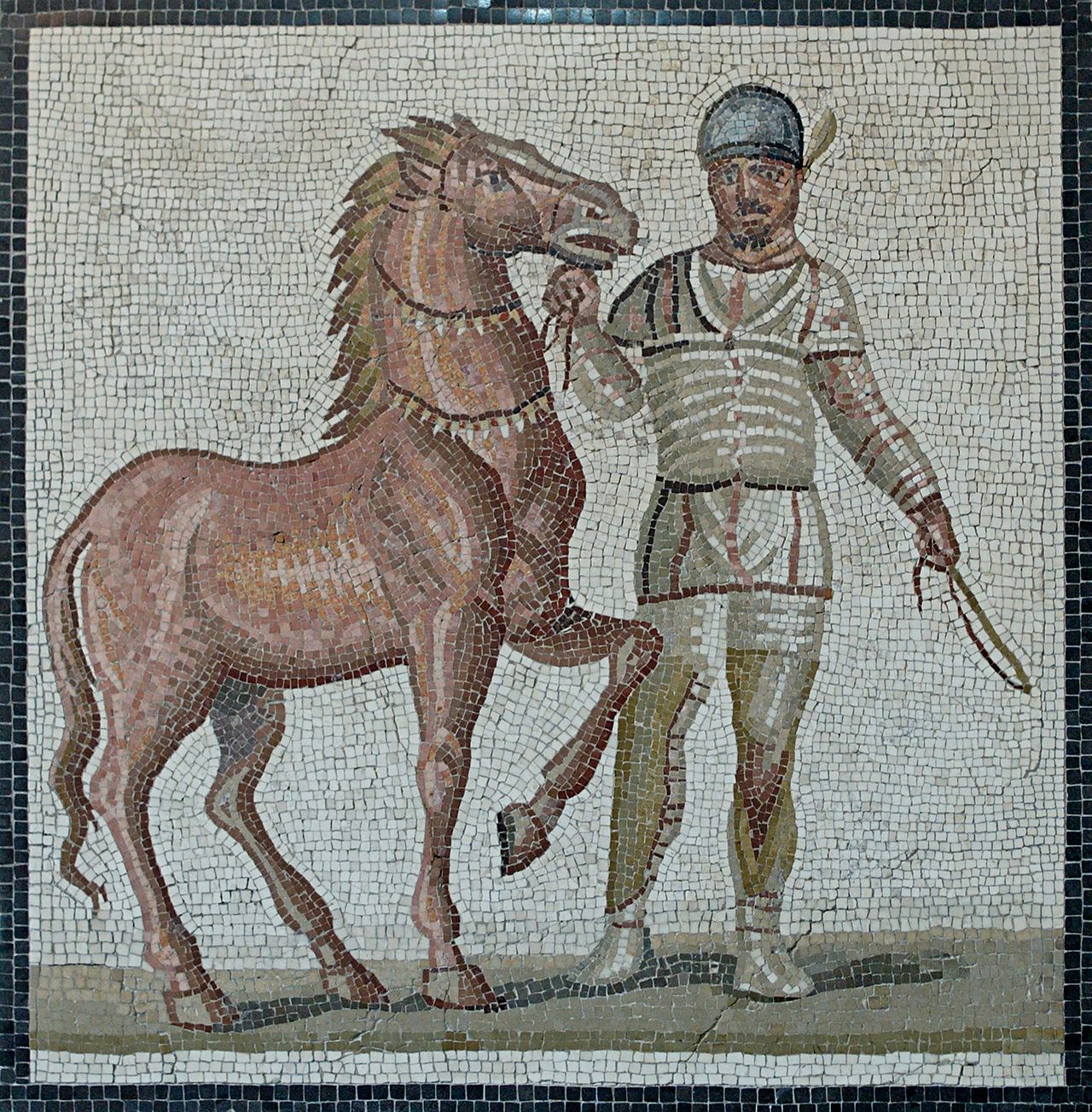
Characteristics and equipment
A typical racing vehicle was a light, two-wheeled chariot pulled by teams of horses. Types are commonly identified by the number of horses: a two-horse chariot or a four-horse chariot. The driver used a short reins and a whip, and the vehicle itself was designed for agility rather than protection. The racecourse had distinct features such as starting gates and sharp turning posts that concentrated risk at the bends.
Organization and participants
Races were often run by organized teams that represented owners, financiers or social groups. In Rome, famous factions were identified by colors and maintained loyal followings; wealthy backers sponsored teams and paid for horses, equipment and labor. Drivers could be slaves, freedmen or professional athletes: despite their low legal status, successful charioteers sometimes earned celebrity and wealth.
Format, risks and social role
Events combined sport, religion and spectacle. Course lengths and the number of laps varied by place and era, and betting and political rivalry frequently accompanied contests. The high rate of injury and death—among horses as well as drivers—added to the public excitement. Unlike some other athletic contests, many women attended chariot races, making them a broadly public form of entertainment.
Legacy and notable facts
- Race sites included the Greek hippodrome and Rome's Circus Maximus.
- Turning posts, starting stalls and team colors were enduring features.
- The sport shaped urban life, politics and popular culture in antiquity.
For more on the technical aspects of the vehicle itself see chariot and for broader discussions of the sport see racing.
Related articles
Author
AlegsaOnline.com Chariot racing Leandro Alegsa
URL: https://en.alegsaonline.com/art/18663