
Circular knitting: technique, tools, history and common uses
Circular knitting (knitting in the round) produces seamless tubes for garments. Overview of tools, basic methods, history, common projects, advantages, and distinctions from flat knitting.
Overview
Circular knitting, often called knitting in the round, is a method of creating fabric as a continuous tube rather than separate flat panels. The technique produces seamless items and is commonly used for garments and accessories where a continuous, cylindrical shape is desirable. It eliminates many seams and can speed production once the knitter is comfortable with the method.
Image gallery
10 Images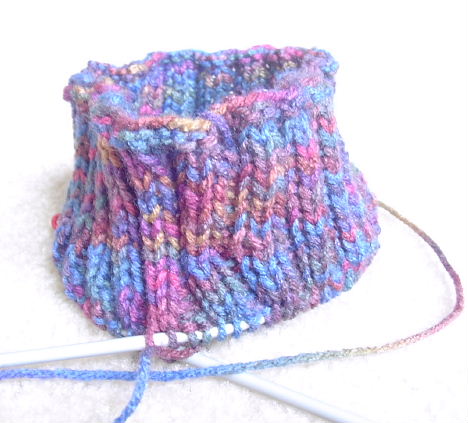





Tools and materials
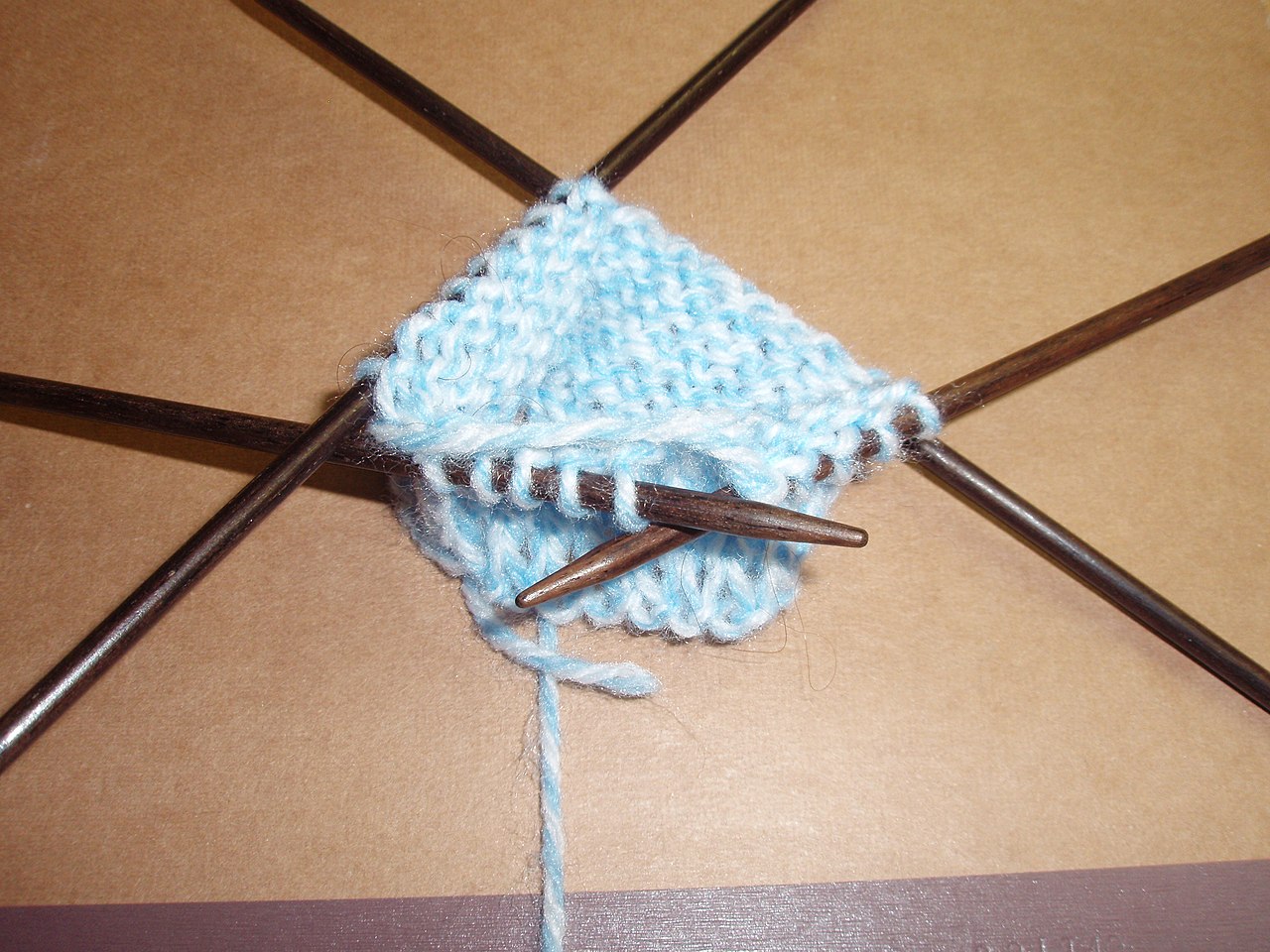
Most round knitting is done with either circular needles or double-pointed needles. Circular needles consist of two short needle tips joined by a flexible cord; double-pointed needles are a set of four or five short needles used together for small circumferences. Other useful tools include stitch markers, a cable needle for short rows, and yarn tails for joining. Different needle types allow knitters to work a variety of diameters with the same basic approach.
Basic technique
To begin, stitches are cast onto the needles and joined to form a closed loop, taking care not to twist the stitches. The working yarn is used to knit continuously around the loop, producing stockinette and other patterns without purling back and forth. For narrow circumferences such as socks or sleeves, double-pointed needles or the magic loop method on a long circular needle are common solutions. Increasing and decreasing are used to shape the tube for shoulders, heels, or crown shaping.
History and development
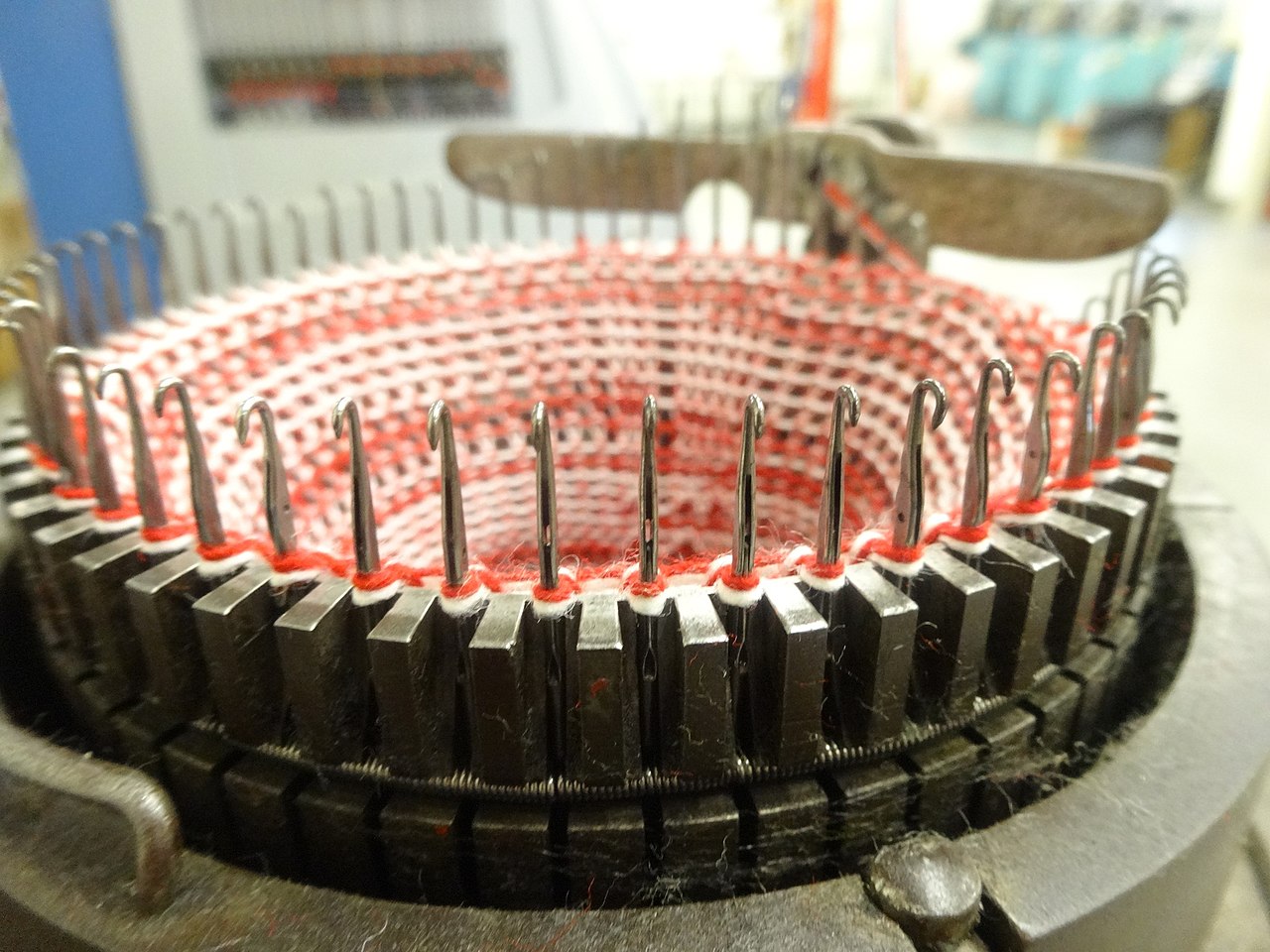
Circular knitting techniques have ancient roots and were refined as specialized needles and machine technologies developed. Hand knitters have long used loops and tubular construction for items like hats and socks, while industrial circular knitting machines later enabled mass production of seamless hosiery and fabrics. The handcraft persists today in both traditional and contemporary patterns.
Uses and examples
- Hats and beanies — popular for quick, seamless crowns.
- Socks, gloves, and mittens — for small-diameter tubes.
- Sweaters and pullovers — worked from the top down or bottom up without side seams.
- Cowls, neck warmers, and sleeves — efficient for tubular shapes.
Advantages, distinctions and notable facts
Circular knitting produces a seamless tube, which reduces finishing work and can improve comfort and fit by eliminating bulky seams. It differs from flat knitting where pieces are joined later. Some stitch patterns and textures require different approaches in the round versus flat work, and certain shaping techniques are translated differently. For learners, joining without twisting and managing multiple needles are common early challenges.
For further practical guidance and tutorials, consult technique guides and pattern collections that illustrate methods such as the magic loop, two-circular-needle method, and working with double-pointed needles.
Related articles
Author
AlegsaOnline.com Circular knitting: technique, tools, history and common uses Leandro Alegsa
URL: https://en.alegsaonline.com/art/20458