
Chuandongocoelurus: a small tetanuran theropod from Jurassic China
Chuandongocoelurus is a little-known tetanuran theropod dinosaur from the Jurassic of China, known from fragmentary remains. It sheds light on early tetanuran diversity and the evolution of small carnivorous dinosaurs in Asia.
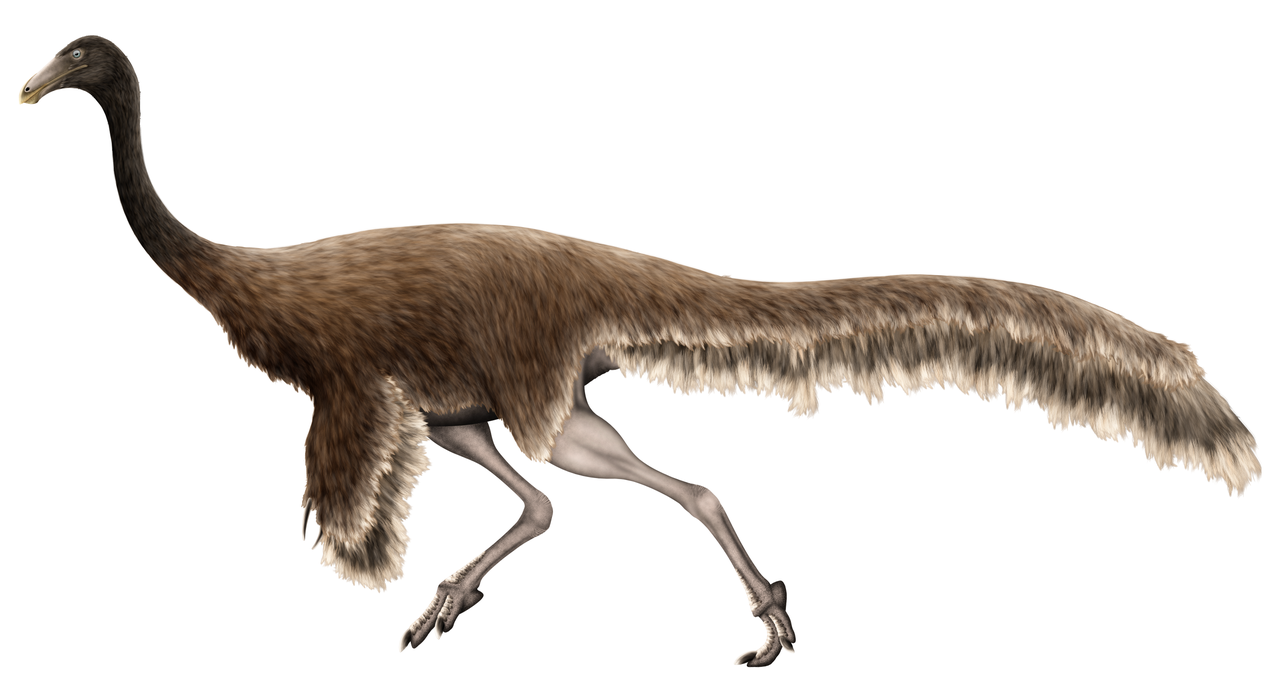
Overview: Chuandongocoelurus is a genus of small, bipedal theropod recognized as a member of the broader tetanuran group. It is known only from fragmentary fossil material recovered from Jurassic‑age deposits in China and is interpreted as a carnivorous dinosaur with affinities to other small-bodied Jurassic theropods. Early summaries describe it as a tetanuran theropod with coelurid-like features.
Image gallery
10 Images


Discovery and name
The genus was established on incomplete remains found in Chinese strata. The name evokes regional ties together with a reference to small, hollow‑tailed relatives (the suffix recalling the genus Coelurus). Because the original material is limited, the genus has not been as extensively studied or as frequently cited as more complete theropods.
Fossil remains and anatomical notes
Specimens assigned to Chuandongocoelurus are fragmentary, typically including parts of vertebrae and limb elements. These bones show features characteristic of early tetanurans: relatively gracile limb proportions, hollow pneumatic structures in vertebrae, and adaptations for an active, cursorial lifestyle. Precise proportions and life appearance remain hypothetical because complete skeletons are lacking.
Age and geological context
The fossils derive from deposits of the Jurassic period, a time when many basal tetanurans and other theropod lineages were diversifying. The material was recovered in strata within China, a region that has yielded numerous important Jurassic dinosaur finds.
Classification and significance
Chuandongocoelurus has been regarded as part of the early radiation of tetanuran theropods, though its precise placement is uncertain due to the fragmentary nature of the fossils. It is often compared with other small Jurassic theropods and may represent a local or regional variant within that ecological niche. As such, it contributes to our understanding of theropod diversity and biogeography in Mesozoic Asia.
Notable points and research prospects
- Known from limited remains, so reconstructions are tentative.
- Highlights the presence of small-bodied predators in Jurassic Asian ecosystems.
- Further discoveries could clarify its relationships and anatomy; ongoing fieldwork in Chinese Jurassic sediments may yield additional material.
Further background on tetanuran theropods and Chinese Jurassic dinosaurs can be explored via general resources on theropod evolution and regional paleontology. For concise entries and broader context, see resources classified under dinosaur-focused summaries.
Related articles
Author
AlegsaOnline.com Chuandongocoelurus: a small tetanuran theropod from Jurassic China Leandro Alegsa
URL: https://en.alegsaonline.com/art/20245