
Christoph Willibald von Gluck
18th-century composer Christoph Willibald von Gluck reimagined opera to prioritize dramatic truth and musical unity; his reforms influenced Mozart, Weber and Wagner and shaped both Italian and French opera.
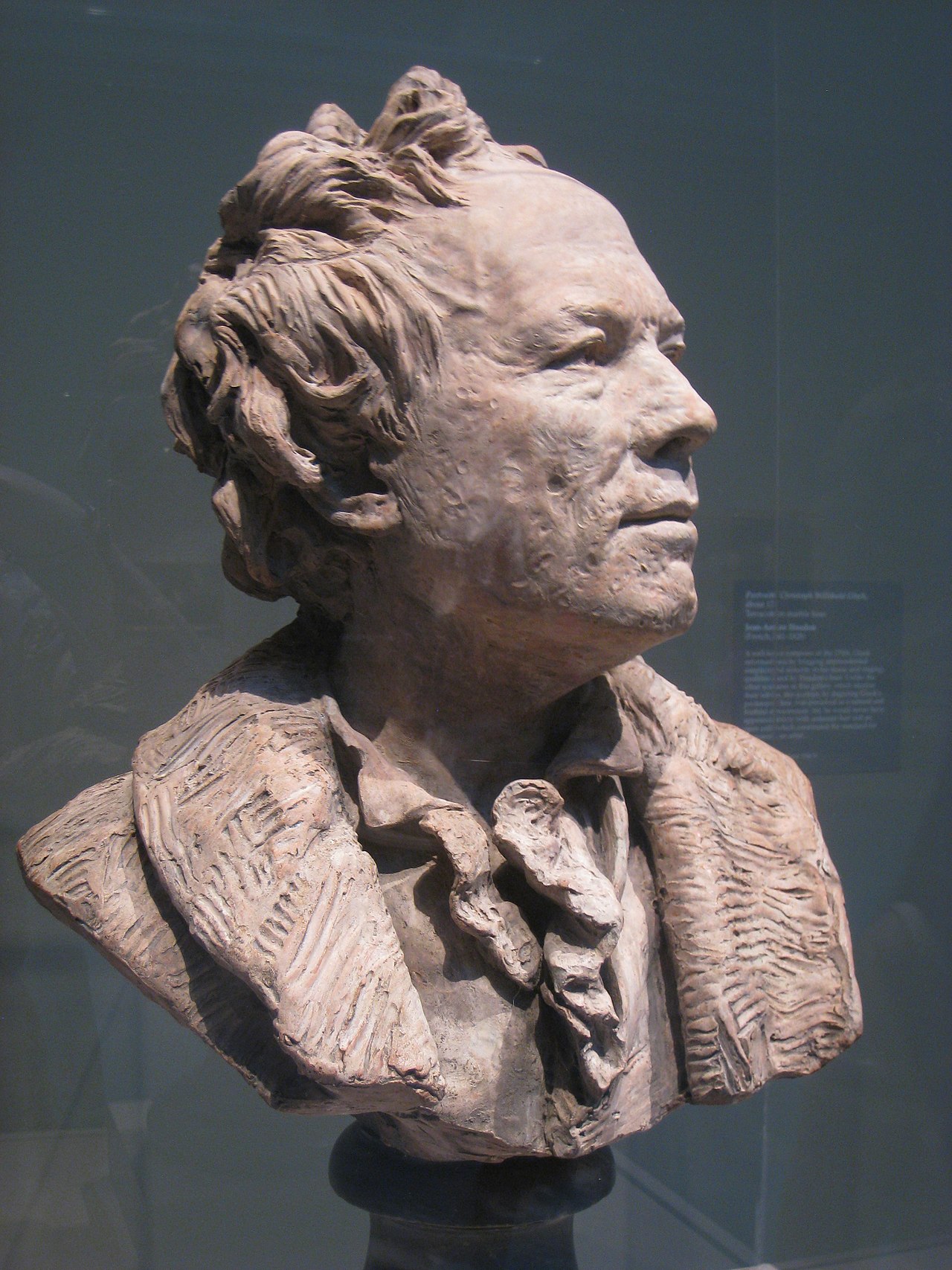
Christoph Willibald von Gluck (1714–1787) was a central figure in the development of modern opera. Born in Erasbach and active in the major musical centers of his time, he sought to change opera from a sequence of virtuosic showpieces into a cohesive dramatic art form. His innovations affected both Italian and French stages and left a lasting mark on later composers.
Image gallery
10 Images





Musical reforms and characteristics
Gluck argued that music should serve the drama rather than interrupt or overshadow it. Key features of his approach included:
- simplified, expressive vocal lines that avoided excessive ornamentation;
- clearer relation between recitative and aria to sustain dramatic momentum;
- use of orchestra and chorus as active dramatic agents rather than mere accompaniment;
- a focus on dramatic coherence in overtures and scene structure.
Major works and examples
Among Gluck's best known operas are Orfeo ed Euridice and Alceste, works that illustrate his reforming principles: they aim for emotional directness and a unity of music and action. These operas were written in Italian and later adapted for French audiences; Gluck composed for courts and public theaters and tailored his style accordingly.
Life and career
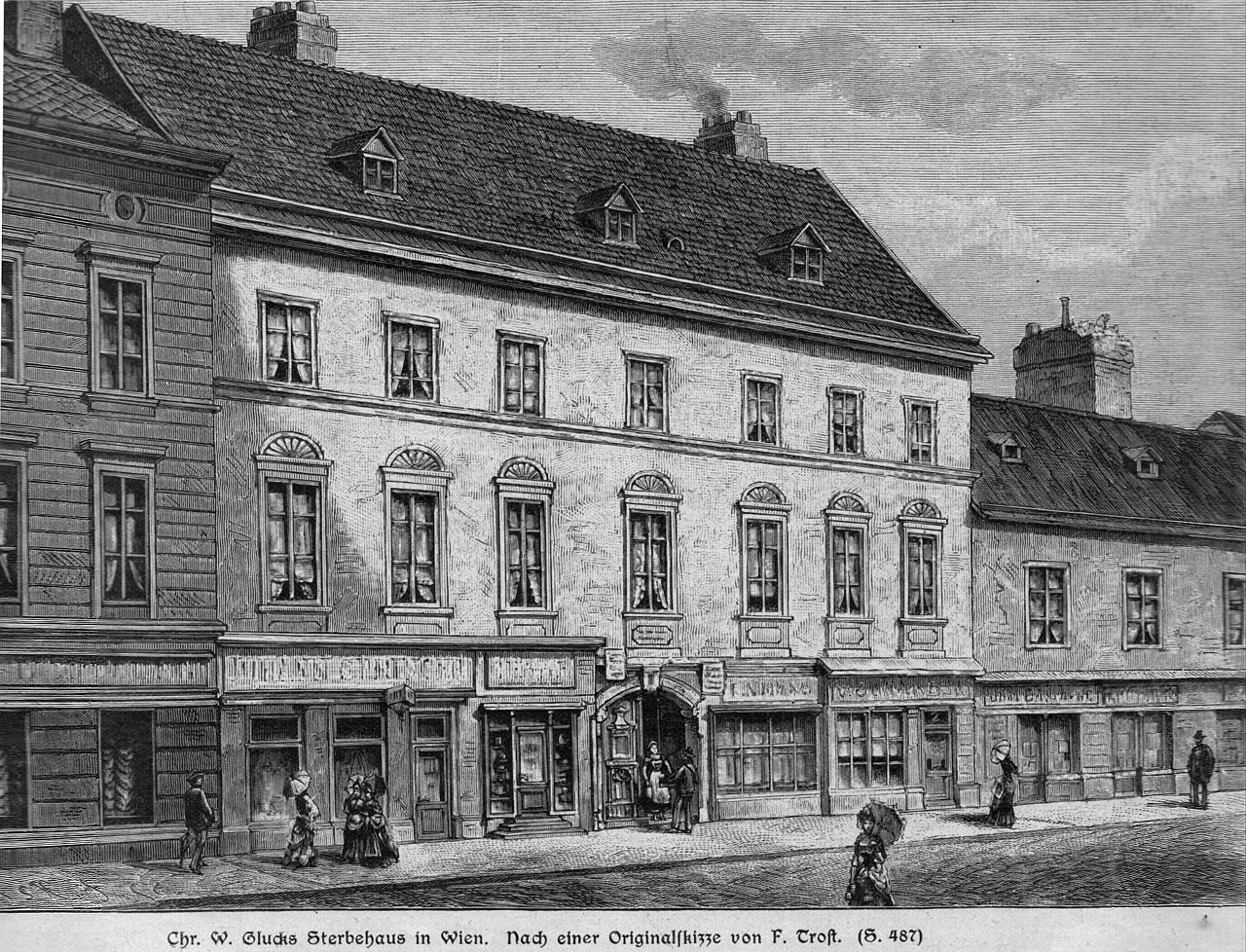
Gluck worked widely across Europe, holding positions and producing operas in cities such as Vienna. Often described as a German composer, he combined international influences, writing in both the Italian and French operatic traditions. He is sometimes referred to simply as a composer of the Classical era because of his role in moving music toward greater dramatic clarity.
Influence and legacy
Gluck's reforms provoked debate and emulation in his lifetime — notably the Parisian controversies between supporters of his reforms and advocates of older styles — and his ideas influenced later figures such as Carl Maria von Weber and Richard Wagner. Musicians and scholars credit him with helping to establish opera as a vehicle for dramatic storytelling rather than mere display.
While scholarship continues to refine our understanding of his work, Gluck remains recognized for reshaping operatic priorities and for composing operas that aimed to unite poetry, music and stage action into a persuasive whole.
Related articles
Author
AlegsaOnline.com Christoph Willibald von Gluck Leandro Alegsa
URL: https://en.alegsaonline.com/art/20165