
Christopher Hitchens: Writer, Polemicist, and Public Intellectual
British-born essayist Christopher Hitchens (1949–2011) was a combative public intellectual, columnist, and author of God Is Not Great, noted for polemical essays, first‑hand reporting and outspoken secular humanism.
Overview
Christopher Eric Hitchens (13 April 1949 – 15 December 2011) was a British‑born writer, critic and public intellectual who combined literary knowledge with combative polemic. Often described as Anglo-American in outlook, he worked as a journalist, essayist and book author and became one of the most visible secular voices of his generation. His public profile rested on argumentative essays, frequent debates, and reporting from conflict zones.
Image gallery
7 Images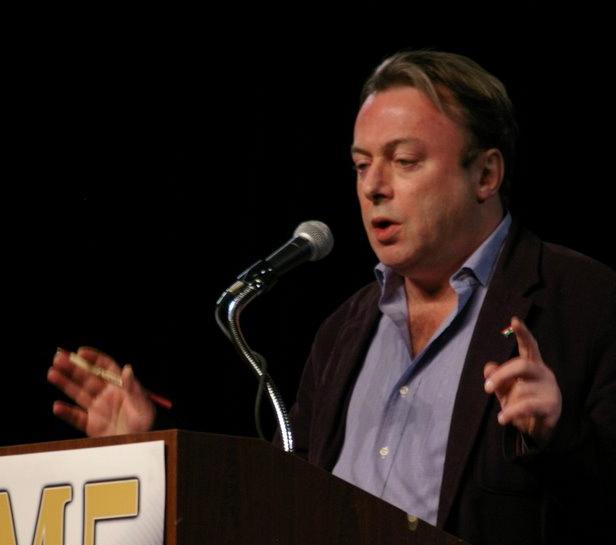

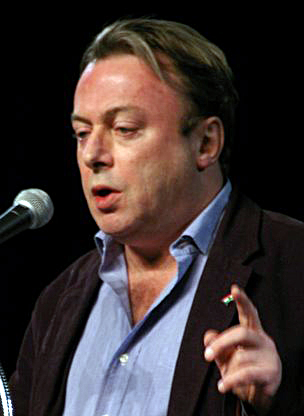


Life and early career
Raised and educated in Britain, Hitchens read English at Balliol College and at Oxford, completing his formal studies at the end of the 1960s before embarking on a career in periodical writing. After graduation he wrote for newspapers and literary reviews and later relocated to the United States, spending significant time in Washington, D.C., where his reporting and commentary reached a wide audience.
Work and public presence
Hitchens wrote for numerous publications and appeared frequently in print and broadcast forums. He contributed to many magazines, including a long association with The Nation, and published essays in outlets such as Vanity Fair, Slate and Free Inquiry. A stylistic hallmark was close reading of texts combined with confident, often provocative assertion; he identified with secular humanism and defended a strongly atheistic stance in both essays and books.
Views, controversies and notable acts
Although an avowed atheist, Hitchens learned later in life of his mother's Jewish background, a family detail he described as previously private and that he discussed in public interviews (family and religion). His political positions were independent and sometimes controversial: he remained on the left for much of his life but supported certain interventions that alienated some former allies. In 2007 he crystallized his critique of religion in the widely read book God Is Not Great: How Religion Poisons Everything.
He was also noted for first‑hand reporting from dangerous situations: he covered the siege of Sarajevo, was detained during reporting in Czechoslovakia, and suffered a violent assault while working in Beirut in Lebanon. In a demonstration that combined reporting with political argument, he submitted to waterboarding and publicly described it as a form of torture after experiencing it himself.
Books, style and legacy
Hitchens published several books of essays, polemic and biography; his prose was admired for range and ferocity alike. He combined literary criticism, political commentary and moral argument, making him a frequent presence on debate stages and in magazine pages. His insistence on secularism, free inquiry and vigorous debate influenced public conversation about religion, politics and the role of writers in public life.
Illness and death
In late 2010 Hitchens announced a diagnosis of oesophageal cancer. He continued to write and speak after the diagnosis but died in December 2011. He remains a contested figure: admired by many for intellectual courage and clarity of style, criticized by others for rhetorical harshness and political choices. His work continues to be read as an example of vigorous public intellectualism.
- Major themes: secularism, literary criticism, political intervention, first‑person reporting.
- Notable tactics: polemic essays, public debates, on‑site journalism and provocative public demonstrations.
Questions and answers
Q: What was Christopher Hitchens's profession?
A: Christopher Hitchens was an Anglo-American atheist, writer and debater.
Q: What magazines did he write for?
A: He wrote for various magazines including The Nation, Free Inquiry, Slate, and others.
Q: What philosophical movement did he support?
A: He was a supporter of the philosophical movement humanism.
Q: Where did he attend college?
A: Hitchens attended Balliol College at Oxford University.
Q: When did he learn his mother was Jewish?
A: In 1988, he learned from his grandmother that his mother was Jewish, but had kept her religion a secret.
Q: Did Hitchens adopt any religious faith after learning this information?
A: No, Hitchens remained an atheist and did not adopt any religious faith.
Q: How did Hitchens research his essays?
A: To write his essays, he braved gunfire in Sarajevo, he was jailed in Czechoslovakia, and in 2008, he was brutally beaten in Beirut Lebanon. In 2009, Hitchens agreed to be waterboarded.
Related articles
Author
AlegsaOnline.com Christopher Hitchens: Writer, Polemicist, and Public Intellectual Leandro Alegsa
URL: https://en.alegsaonline.com/art/20172