
Chowder: history, varieties, and how it's made
Chowder is a thick, often cream-based soup or stew from coastal communities. This article describes common ingredients, regional varieties, origins, preparation methods, serving traditions and notable distinctions.
Overview
Chowder is a category of hearty, often creamy soup or stew traditionally associated with coastal fishing regions. It typically combines seafood or vegetables with a starchy element such as potatoes to create a thick, comforting texture. Chowder can be made with milk or cream, a tomato base, or a clear broth depending on local tastes and available ingredients.
Image gallery
10 Images
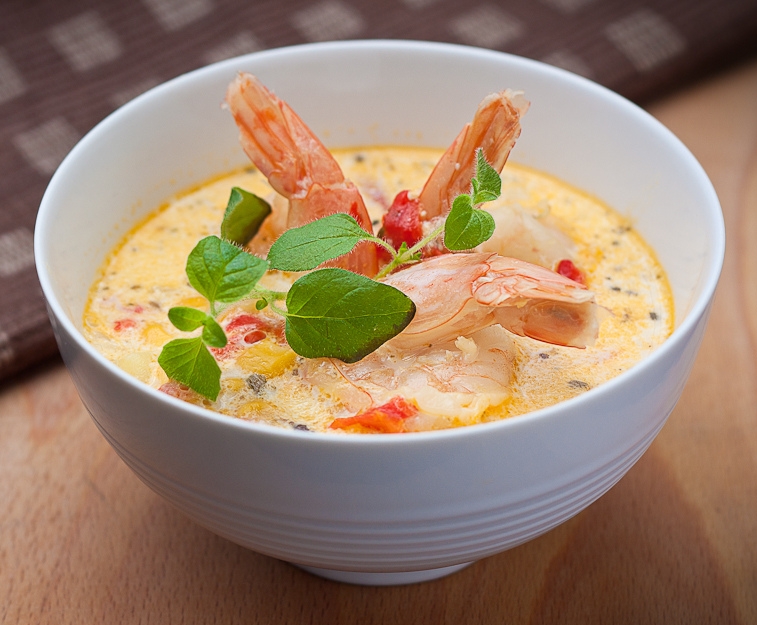


Typical ingredients and texture
Common components include diced potatoes, onion, celery, and a protein such as clams, fish or mussels. Many recipes use a roux or the natural starch from potatoes to thicken the liquid. Garnishes like bacon, chopped parsley, or cracked pepper are frequent. Vegetarian versions—such as corn chowder—replace seafood with vegetables and often rely on cream or blended beans for body.
Regional varieties
- New England clam chowder: cream-based, with clams and potatoes.
- Manhattan clam chowder: tomato-based, with a clearer broth and vegetables.
- Bermuda fish chowder: a local specialty that highlights fish and aromatic seasonings.
- Other styles include corn chowder, fish chowder, and mussel or mixed seafood chowders.
History and origin
The word "chowder" likely derives from a French term for a cauldron or a fish stew served by sailors and fishermen. Variants developed independently in different coastal cultures as cooks adapted the basic idea—protein simmered with vegetables in a single pot—to local ingredients and culinary traditions.
Uses, service and cultural notes
Chowder is commonly served as a main course or a substantial starter. In North America it is associated with regional identity, festivals and chowder competitions. Typical accompaniments include crusty bread or crackers; in some places oyster crackers are the traditional topping. Home cooks and restaurants balance richness and seasoning to suit appetite and climate.
Further reading and resources
For general background on soups and regional preparations see entries on soups and coastal cuisine. For more about seafood varieties often used in chowder consult resources on fish and mussels. To explore American regional dishes and culinary history see materials related to the United States.
Related articles
Author
AlegsaOnline.com Chowder: history, varieties, and how it's made Leandro Alegsa
URL: https://en.alegsaonline.com/art/20013