
Christmas pudding (plum pudding)
A dense, steamed British dessert of dried fruit, suet and spices traditionally served on Christmas Day; known for long shelf life, flambé presentation and seasonal customs such as Stir-up Sunday.
Overview
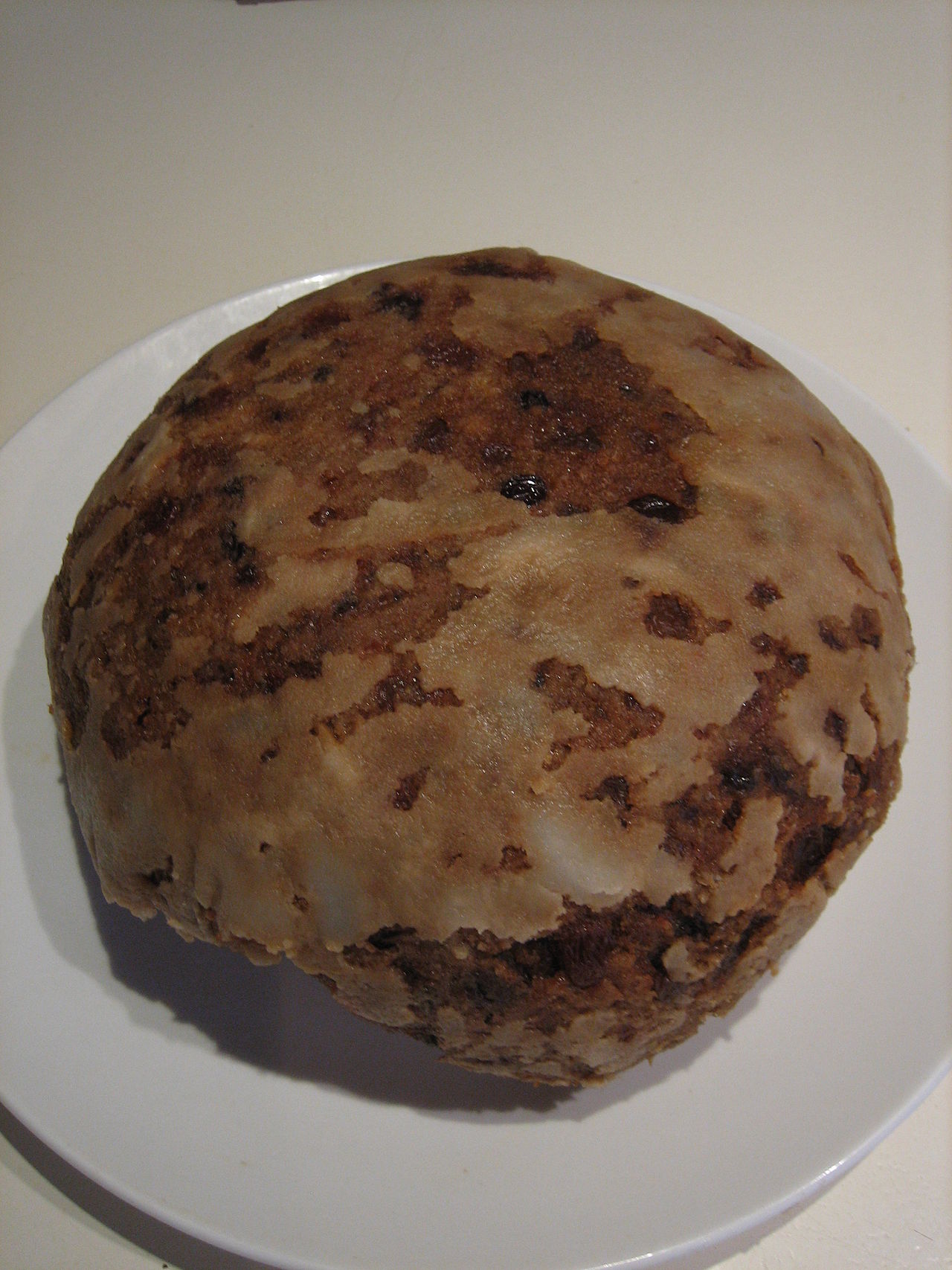
Christmas pudding, often called plum pudding, is a rich, dense steamed dessert traditionally served in the United Kingdom and in many countries influenced by British culinary customs on Christmas Day. Despite the name, "plum" refers historically to dried fruit such as raisins and currants rather than fresh plums. The finished pudding is dark, moist and highly spiced; it is usually made well ahead of the holiday and reheated before serving.
Image gallery
7 Images




Ingredients and preparation
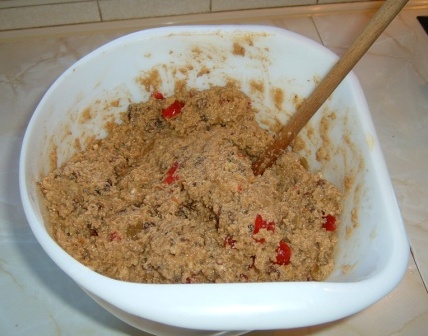
Typical ingredients include a mixture of dried fruits (currants, raisins, sultanas), breadcrumbs or flour, sugar, suet (beef or mutton fat) or a vegetarian fat substitute, eggs, spices (cinnamon, nutmeg, cloves), and often treacle or molasses for color and depth. Alcohol such as brandy or rum is frequently added to preserve flavor and to allow a flambé when serving. The pudding is traditionally assembled, packed into a basin or cloth, and then steamed or boiled for several hours; modern cooks sometimes use steaming basins in ovens or quicker methods, but long, slow steaming remains the classic technique.
History and development
The pudding evolved from medieval English savory pottages and meat-based puddings. By the late Middle Ages and into the 15th century, recipes combining meat, grains and dried fruit began to change into sweeter, dried-fruit-centered versions. The form familiar today was largely standardized in the 18th and 19th centuries; Victorian cooks and household manuals helped codify the steaming method, spice mix and the use of suet and alcohol.
Traditions and serving
- Stir-up Sunday: a popular custom of making or stirring the pudding on the last Sunday before Advent, named after a prayer in an older liturgical book.
- Flambéing: pouring warmed brandy over the pudding and lighting it for a dramatic presentation.
- Hidden tokens: small trinkets such as a coin or thimble were sometimes placed inside for luck and games.
Variations and notable distinctions
Regional and modern variations exist: some recipes replace suet with butter for vegetarian preferences, others use local fruits or citrus. Christmas pudding is distinct from custard-style puddings common in other cuisines; it is a steamed, boozy fruit loaf rather than a milk-based custard. Its high sugar and alcohol content gives it a long keeping quality, so many households make it weeks in advance to allow flavors to mature.
Cultural importance
As a central element of many British Christmas tables, the pudding carries seasonal symbolism and family ritual. Its preparation, decoration and theatrical presentation continue to connect contemporary meals to older culinary and festive traditions.
Related articles
Author
AlegsaOnline.com Christmas pudding (plum pudding) Leandro Alegsa
URL: https://en.alegsaonline.com/art/20154