
Chytridiomycosis: a fungal disease driving global amphibian declines
Chytridiomycosis is an infectious disease of amphibians caused by chytrid fungi. It disrupts skin function, has caused widespread population declines and extinctions, and poses major conservation challenges.
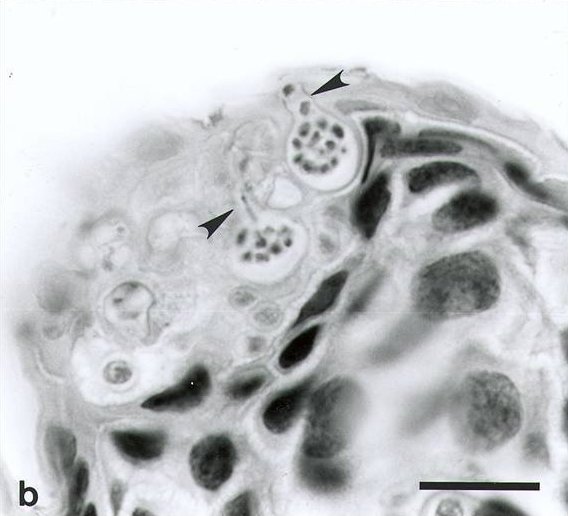
Chytridiomycosis is an infectious disease of amphibians that has emerged as a major cause of population declines and extinctions worldwide. The illness is caused by chytrid fungi, most notably Batrachochytrium dendrobatidis (commonly called Bd). The fungus infects the skin of frogs, toads, salamanders and caecilians, interfering with essential physiological functions and sometimes producing rapid die-offs.
Image gallery
3 Images

Cause and transmission
The agent is a waterborne fungus whose life cycle includes free-swimming spores that can move in aquatic environments or on moist surfaces. Infection typically occurs when susceptible animals contact contaminated water, substrate or other infected individuals. Spread between populations has been linked to natural movements and human activities, including the trade and transport of amphibians. For general information on the disease, see disease overview.
Symptoms and effects
Chytridiomycosis affects the skin, an organ critical to amphibians for gas exchange, fluid balance and electrolyte regulation. Infected animals may show lethargy, loss of appetite, abnormal posture, excessive skin sloughing or hyperkeratosis (thickened skin). Severe infections can disrupt sodium and potassium balance, which may lead to cardiac arrest. Susceptibility varies by species: some tolerate infection with little mortality, while others experience catastrophic declines.
History and conservation impact
The disease was first widely recognized in the late 20th century when unexplained amphibian declines and local extinctions were linked to Bd. It has been implicated in declines across tropical, temperate and island ecosystems, and in some regions introduced related chytrids pose additional risks. Conservation responses often focus on preventing spread and protecting at-risk species. Learn more about affected amphibians at amphibian resources.
Detection, management and research
Diagnosis uses skin swabs and molecular tests to detect fungal DNA. Management strategies include biosecurity measures to limit movement of animals, captive assurance colonies, habitat manipulation, and topical or systemic antifungal treatments under controlled conditions. No single, practical cure exists at landscape scale, so emphasis remains on surveillance, rapid response and research. For pathogen biology details consult fungal information and for control guidance see management resources.
- Key challenges: variable host susceptibility, environmental persistence of spores, and global trade.
- Ongoing research aims to understand immunity, environmental drivers and effective restoration methods.
Related articles
Author
AlegsaOnline.com Chytridiomycosis: a fungal disease driving global amphibian declines Leandro Alegsa
URL: https://en.alegsaonline.com/art/20343