
Chocolate (color)
Chocolate is a range of warm dark browns named after the cacao-based food. The shade conveys richness, warmth and earthiness and appears across design, fashion, and visual culture.
The color called "chocolate" refers to a family of deep brown hues that recall the appearance of chocolate confectionery. It is not a single fixed shade but rather a spectrum from medium warm browns to very dark brown tones. Designers and manufacturers use the term to evoke the food's familiar richness and natural warmth rather than to specify an exact pigment.
Image gallery
4 Images

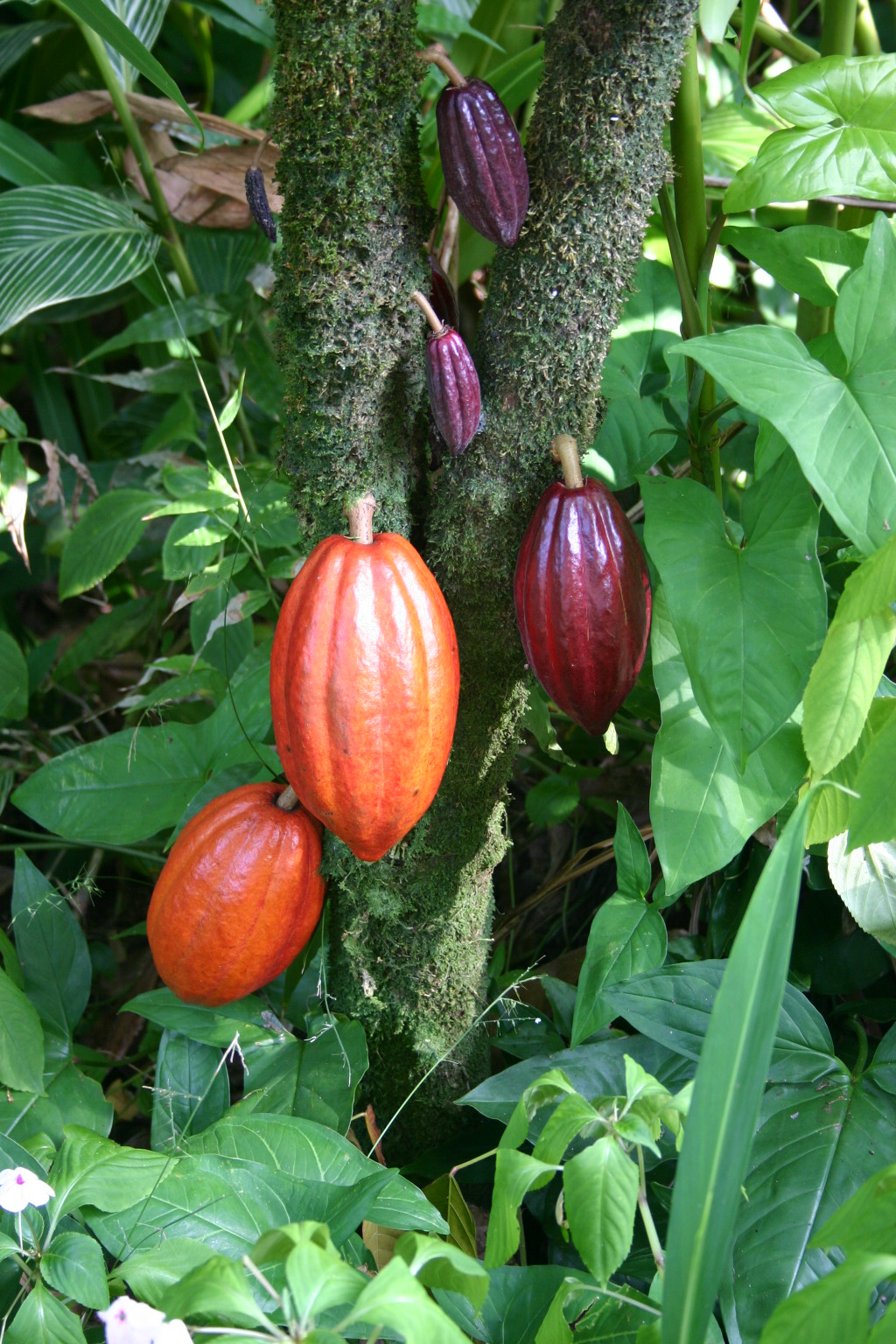
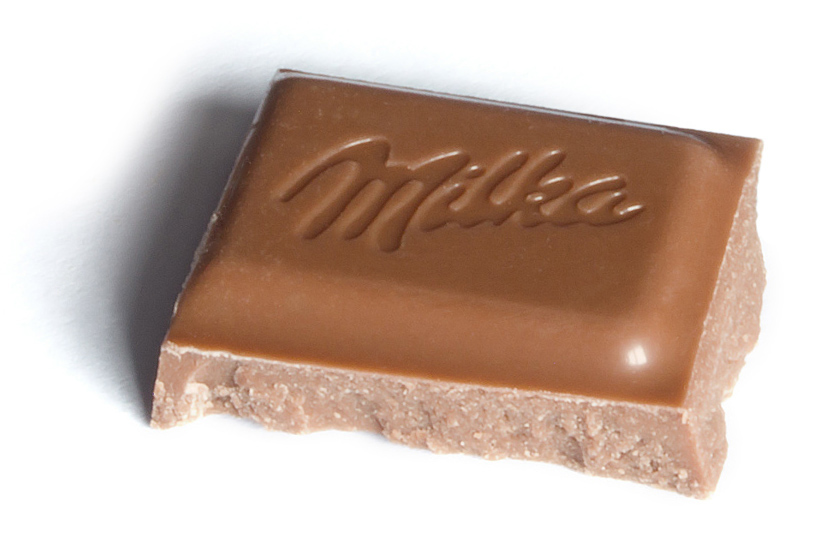
Characteristics and variations
Chocolate tones often display warm undertones — red, orange or yellow — which distinguish them from cooler browns. Within the family, common informal names include milk chocolate (lighter, creamier) and dark chocolate (near-black, intense). Surface finish and context — matte, glossy, textured fabric or polished wood — also alter how a chocolate color is perceived. In visual work the color can be balanced with lighter neutrals or brighter accents to prevent a composition from feeling heavy.
History and name
The English name for the color takes its origin from the food itself; the word "chocolate" entered European languages from the Nahuatl xocolātl via Spanish. Sources note that the word was used to describe a color in English as early as the 18th century, with a recorded usage dated to 1737. The color term grew in usage alongside trade in cacao and the development of confectionery products.
Uses and associations
Chocolate tones are common in clothing, interior design, furniture, packaging and branding. Their associations include warmth, comfort, naturalness, stability and indulgence. In interiors, chocolate shades are often paired with creams, beige and muted greens; in fashion they are chosen for autumnal wardrobes and leather goods. Food and beverage packaging uses chocolate hues to signal flavor expectations or premium quality.
Practical notes and distinctions
- Perception: Lighting and surrounding colors change how "chocolate" reads — a shade may appear warm or nearly black depending on context.
- Variability: Different industries (paint, textiles, digital media) define specific samples and notations for reproducibility; the informal name remains broader than any single code.
- Digital naming: Some digital color systems include a named color "chocolate," but that representation is only one interpretation of the broader family and may look lighter or more reddish than edible chocolate.
For visual reference, readers can follow links for related color families and historical notes: see a general description of brown tones via brown, compare to the edible product chocolate, or consult records of early English usage such as the 1737 entry 1737 record.
Related articles
Author
AlegsaOnline.com Chocolate (color) Leandro Alegsa
URL: https://en.alegsaonline.com/art/19918
Sources
- urbandictionary.com : Urban Dictionary—“Chocolate City”:
- urbandictionary.com : Barrack Obama uses the term "Chocolate City" in 2008: