
Chinese Crested Dog
A small companion breed, often hairless with a crest of hair; two varieties (Hairless and Powderpuff). Known for affectionate temperament, special skin and dental care, and a long, uncertain history tied to sailors and trade.
Overview
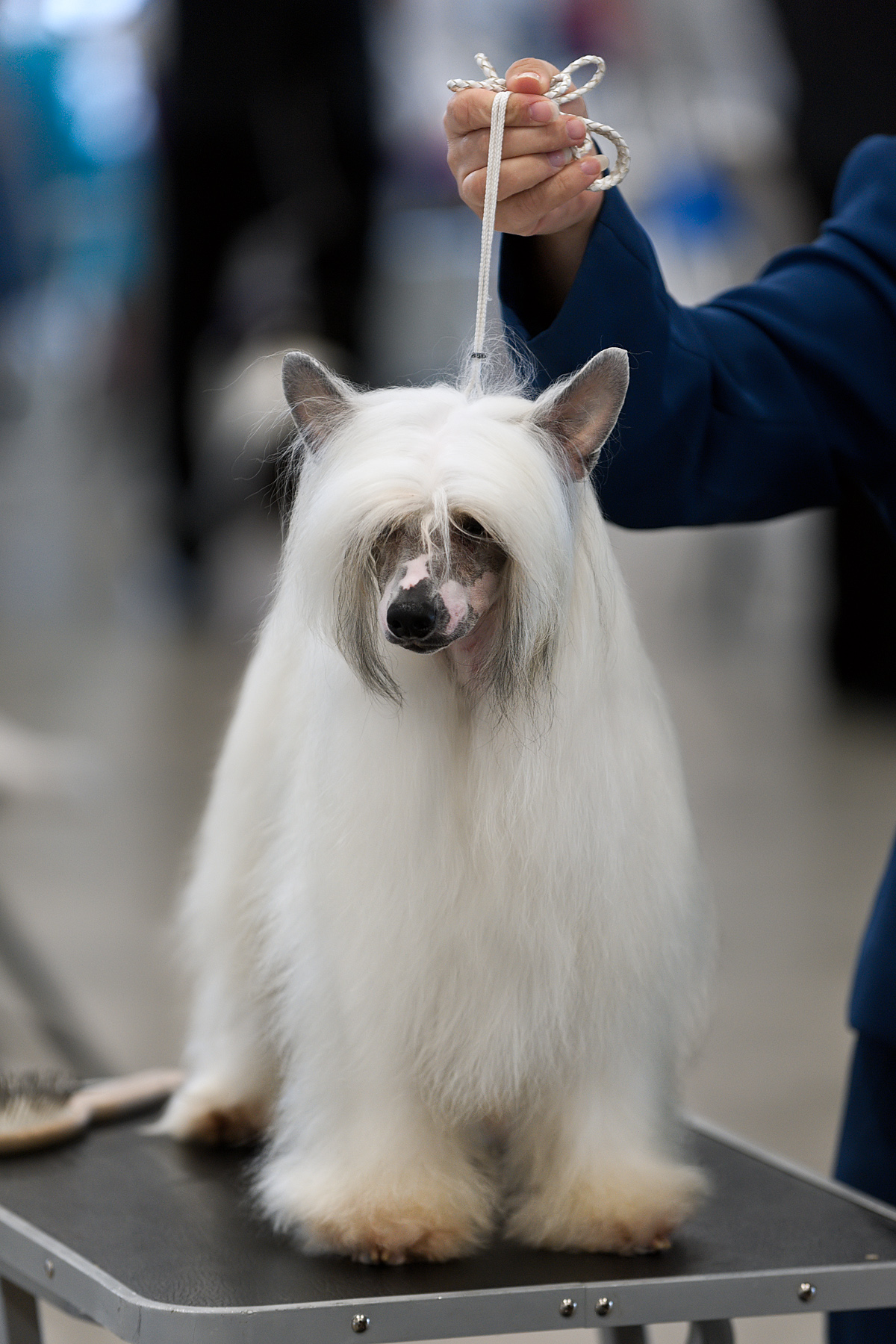
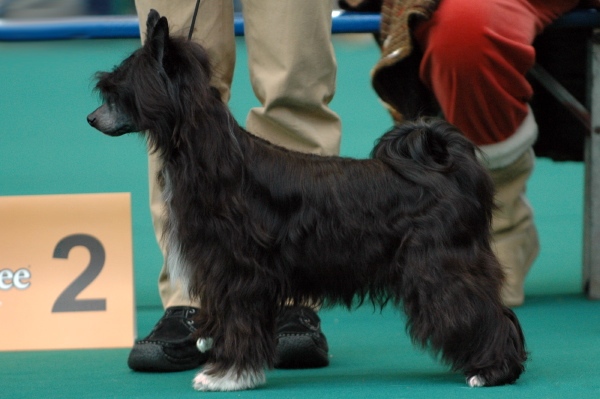
The Chinese Crested Dog is a small companion breed noted for its distinctive appearance and lively personality. Two coat varieties exist: the Hairless, with exposed skin and tufts of hair on the head, tail and feet, and the Powderpuff, which has a full soft double coat. Despite the name, the breed’s precise geographic origin is uncertain; historical accounts point to a complex history influenced by maritime trade, with the modern type established through selective breeding for companion qualities.
Image gallery
8 Images


Appearance and varieties
The breed is fine-boned and elegant, coming in a wide range of colors and markings. The Hairless variety typically exhibits smooth, exposed skin on much of the body and a crest of hair on the head, a plume on the tail and 'socks' on the feet. The Powderpuff has a soft, double coat that requires regular grooming. Both varieties can occur in the same litter because the hairless trait is caused by a dominant gene with variable expression; breeders and breed clubs treat both as one breed for registration and showing.
Temperament and suitability
Chinese Cresteds are generally affectionate, alert and intelligent. They often form strong bonds with their families and enjoy interactive play and companionship. Their small size and adaptable nature make them suitable for apartment living and for owners who can provide companionship and gentle training. Early socialization and positive reinforcement training help develop confident, well-adjusted adults. For guidance on training and behavior, see temperament resources.
Care, grooming and daily needs
Care differs by variety. Hairless dogs require regular skin care: cleansing to remove oils and dirt, moisturization to prevent dryness, and reliable sun protection to reduce the risk of sunburn. In cold weather they need clothing or shelter because of limited natural insulation. Powderpuffs need frequent brushing to prevent tangles and periodic bathing to keep the coat and skin healthy. Routine care also includes nail trimming, ear checks, and dental hygiene.
- Skin care: use gentle canine cleansers, moisturizers and veterinarian-approved sunscreens as needed.
- Coat care: brush Powderpuffs several times per week; trim as advised by a groomer for show or pet maintenance.
- General care: regular dental attention, balanced nutrition, vaccinations and parasite control.
Health and genetics
Common health considerations include dental issues (hairless individuals frequently have missing or malformed teeth), sensitivity to temperature extremes, and occasional skin conditions. The hairless trait in several breeds is linked to a dominant mutation; however, expression varies and not all related traits are identical across hairless breeds. Responsible breeders screen for inherited conditions, maintain sound husbandry, and work with veterinarians on preventive care.
History and related breeds
The breed is associated with lore about sailors and trade routes that spread small companion dogs around the world; the name "Chinese" likely reflects historical trade links rather than a single point of origin. The Chinese Crested is one of several hairless dog types, alongside breeds such as the American Hairless Terrier and South American hairless varieties. For notes on naming and early accounts see origin studies.
Registration, showing and cultural presence
Major kennel clubs and breed organizations recognize both coat varieties and publish standards covering size, movement and temperament. Chinese Cresteds appear in companion dog events and selective conformation showing; breed clubs promote health testing and ethical breeding practices. The breed has occasionally been featured in popular culture and novelty events; hairless individuals have drawn attention in contests such as the World's Ugliest Dog competition, which has highlighted the breed’s unusual looks and raised awareness about care needs.
Finding a dog and further reading
Prospective owners should consult reputable breed clubs and rescue organizations, verify health screening of parents, and consider whether they can meet the dog’s grooming and social needs. For official breed standards and breeder guidance see breed standards and for comparative information on care and genetics see care and breed resources.
Related articles
Author
AlegsaOnline.com Chinese Crested Dog Leandro Alegsa
URL: https://en.alegsaonline.com/art/19756
Sources
- pets.people.com : "The Ugliest Dogs in the World!"