
Petaluma, California: history, character, and local highlights
Petaluma is a city in Sonoma County, California, known for its preserved downtown, agricultural heritage, Victorian architecture and proximity to the North Bay wine region. Incorporated in April 1858.
Overview
Petaluma is a small city in Sonoma County, in the North Bay area of California, in the United States. It sits along the Petaluma River and adjacent wetlands, combining a compact historic downtown with surrounding agricultural land. The city preserved many Victorian and early 20th‑century buildings and had a population of 57,941 at the 2010 U.S. census.
Image gallery
10 Images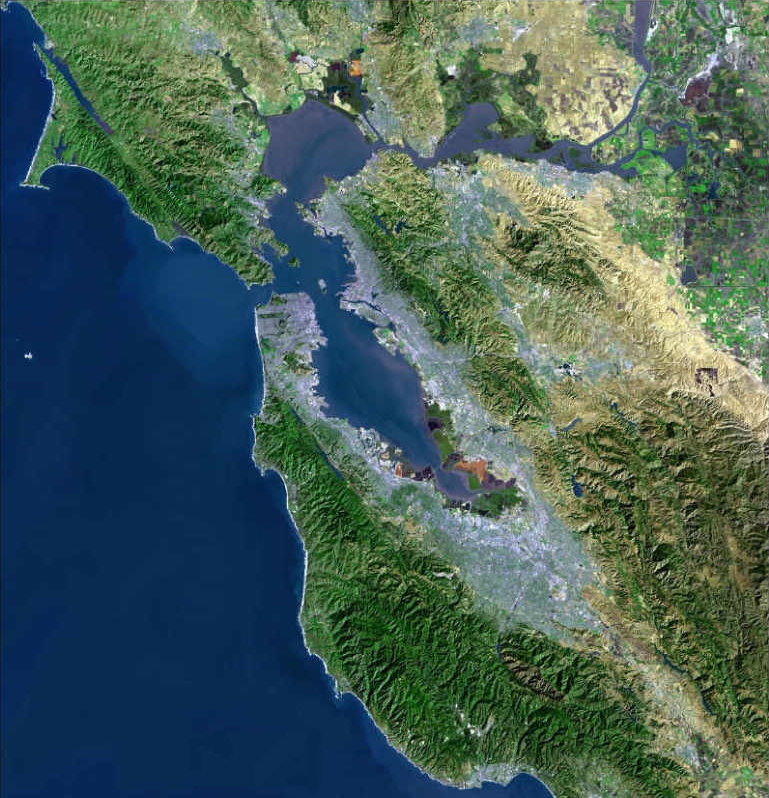




Geography and character
Petaluma's setting is defined by a tidal river that flows toward San Pablo Bay, low-lying marshes, and rolling farmland. The climate is typically Mediterranean—mild, with wet winters and dry summers—and the landscape supports dairies, seed farms and vineyards. Its downtown grid, brick storefronts and decorative facades give the city a distinctive historical character that attracts visitors and film crews.
History and development
The area was long inhabited by Coast Miwok people before European contact. Spanish and Mexican influence in the North Bay increased after the late 18th century, and American settlement expanded in the 19th century. Petaluma was formally incorporated as a city in April 1858. The Rancho Petaluma Adobe, constructed in the 1830s by Mariano Guadalupe Vallejo, remains a prominent reminder of the region's Mexican-era ranching past.
Economy, culture and events
Historically a center for poultry, dairy and grain shipping, Petaluma's economy has diversified into food production, specialty agriculture, small manufacturing, services and tourism. Community events celebrate the agricultural legacy: an annual parade and festivals honor dairy and egg farming, while farmers markets and farm-to-table restaurants emphasize local produce and cheeses.
Notable places and attractions
- Historic downtown with preserved Victorian and commercial buildings
- Rancho Petaluma Adobe and several local museums chronicling early ranching and town life
- Waterfront and wetlands that support birdlife and recreational trails
- Vineyards and tasting rooms nearby, part of the greater Sonoma wine region
Distinctive facts and modern relevance
Petaluma is often noted for its strong preservation efforts, scenic riverfront, and a blend of agricultural roots with contemporary small-city amenities. Its historic streets have been used as locations for films and television, reinforcing the town's visual appeal. Today the city functions as a regional hub for local food producers and as a gateway to the wider Sonoma County wine country and natural areas.
Related articles
Author
AlegsaOnline.com Petaluma, California: history, character, and local highlights Leandro Alegsa
URL: https://en.alegsaonline.com/art/76044
Sources
- quickfacts.census.gov : "Petaluma Quickfacts from the US Census Bureau"