
Chiton (Polyplacophora): Marine molluscs with eight-plated shells
Chitons are marine molluscs (class Polyplacophora) with eight articulating plates, a broad muscular foot and a rasping radula. Mostly intertidal grazers worldwide with a long fossil record.
Overview
Chitons are marine molluscs of the class Polyplacophora. About 940 living species and some 430 fossil species are recognized. They occur worldwide, from the intertidal zone on wave‑swept rocks to bathyal and abyssal depths, and are best known for their flattened bodies armored with a series of overlapping dorsal plates.
Image gallery
9 Images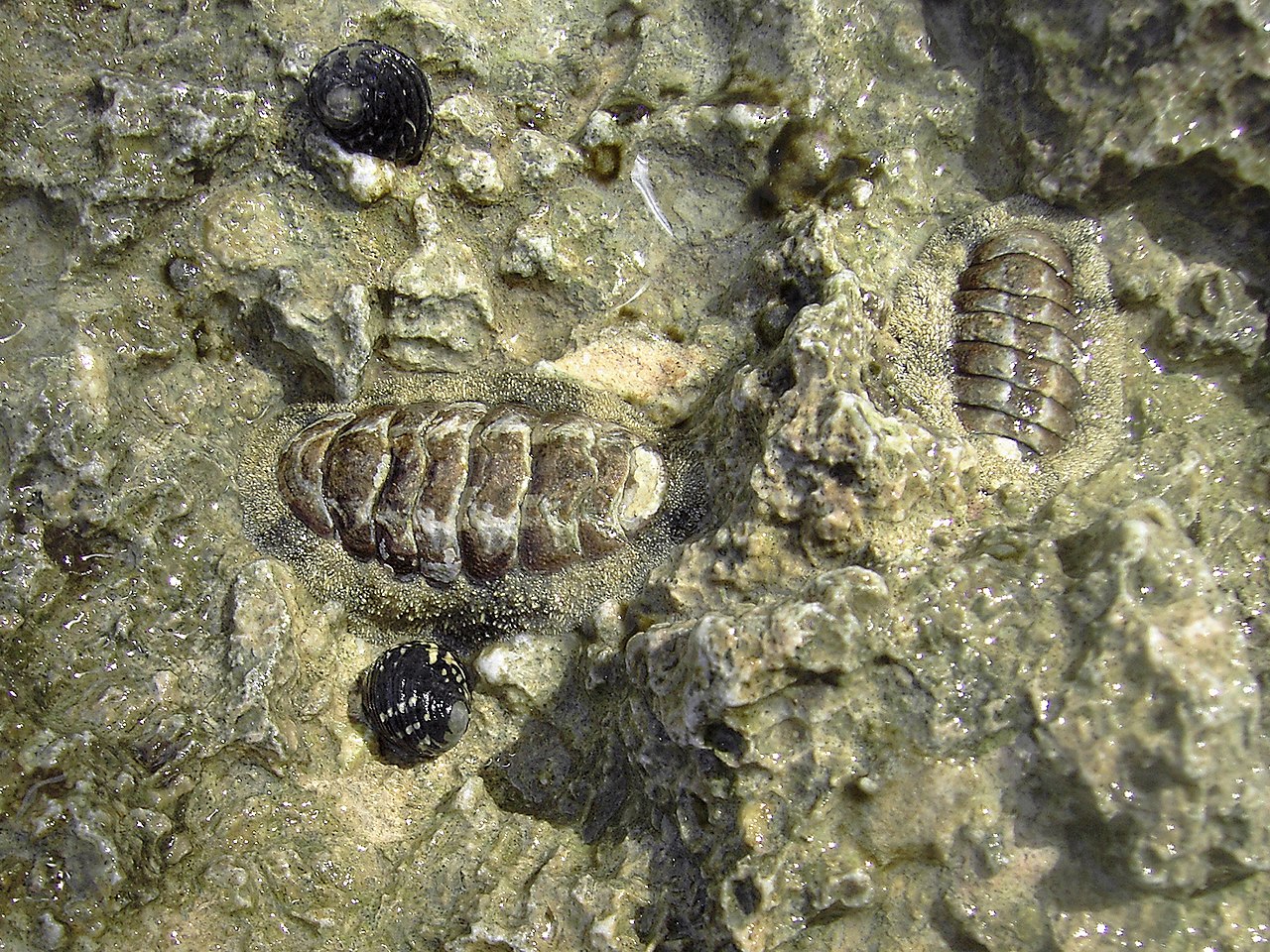
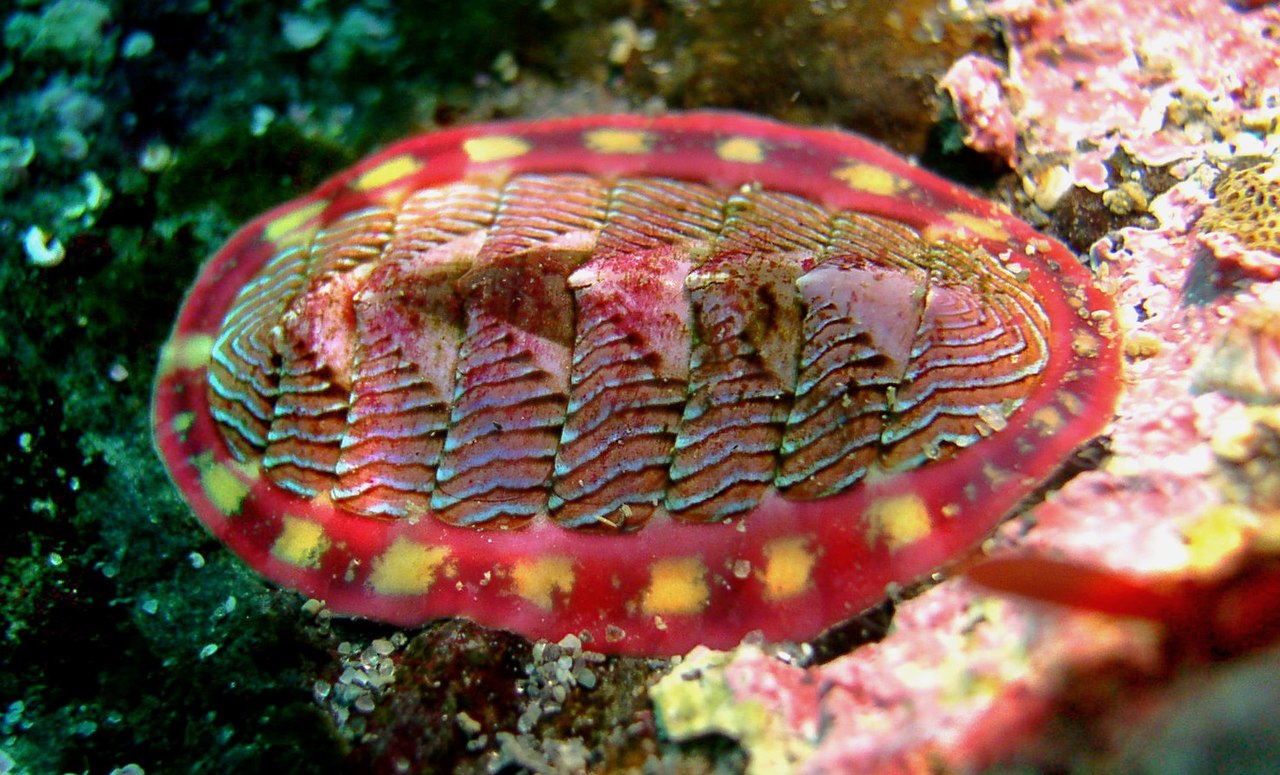

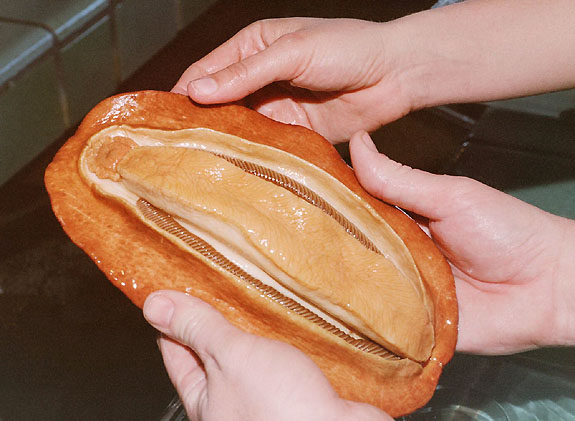
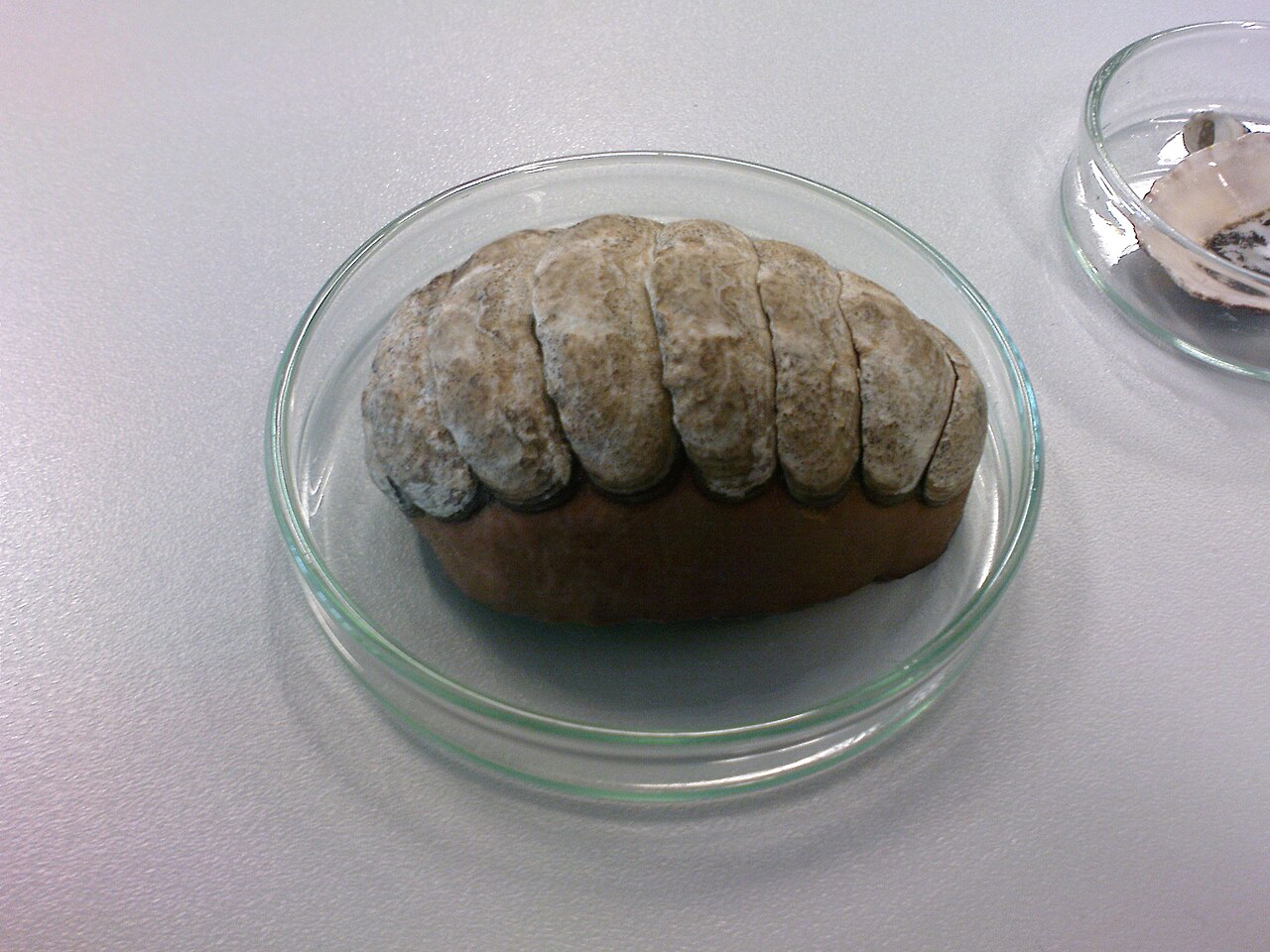


Anatomy and distinctive features
Chitons have eight articulating dorsal shell plates (valves) set into a tough, often ornamented girdle that surrounds the body. Underneath is a broad, muscular foot used for strong adhesion to substrate and slow locomotion. The mouth contains a rasping radula used to scrape algae and biofilm; in many species the radular teeth are reinforced with iron minerals (including magnetite) to withstand abrasion. The mantle and shell bear numerous tiny sensory organs called aesthetes; in some species these form arrays of hundreds of microscopic eyes with mineral lenses that detect light and shadows.
Ecology and behavior
Most chitons are herbivorous grazers feeding on microalgae, diatoms and encrusting organisms. They are well adapted to high-energy shorelines and can cling tightly to rock to resist waves and predators. Many intertidal species show homing behavior, returning to a preferred scar on the rock when the tide recedes. Some deep-water chitons are detritivores or have specialized diets associated with chemosynthetic habitats.
Reproduction and life cycle
Reproduction is typically by external fertilization: males and females release gametes into the water column. Fertilized eggs develop into planktonic larvae that disperse before settling and metamorphosing into juvenile chitons, during which the characteristic plates form gradually.
Evolution and fossil record
Chitons have a long evolutionary history, documented by fossil forms that indicate the group has persisted for hundreds of millions of years. The basic multi-plated body plan has remained relatively conservative, although fossil species show a range of plate shapes and girdle structures that illustrate past diversity.
Human relevance and identification
Chitons are not of major commercial importance but are ecologically significant on rocky coasts and of scientific interest for studies of biomineralization, sensory systems and intertidal ecology. At a glance they might be mistaken for limpets or other shelled animals, but the combination of eight overlapping plates and a broad creeping foot distinguishes them readily.
Key characteristics
- Class: Polyplacophora
- Eight dorsal plates (valves) embedded in a flexible girdle
- Broad muscular foot used for adhesion and movement
- Rasping radula; some teeth mineralized with iron (magnetite)
- Sensory aesthetes, in some species forming numerous tiny eyes
- Worldwide distribution from intertidal rocks to deep sea
Questions and answers
Q: What is a Chiton?
A: A Chiton is a marine mollusc in the class Polyplacophora, formerly known as Amphineura.
Q: How many extant and fossil species of Chitons are there?
A: There are about 940 extant and 430 fossil species of Chitons that have been recognized.
Q: What was the former name for the class Polyplacophora?
A: The former name for the class Polyplacophora was Amphineura.
Q: Are all Chitons the same size?
A: No, Chitons come in varying sizes.
Q: Where do Chitons live?
A: Chitons live in marine environments.
Related articles
Author
AlegsaOnline.com Chiton (Polyplacophora): Marine molluscs with eight-plated shells Leandro Alegsa
URL: https://en.alegsaonline.com/art/19846
Sources
- itis.gov : ITIS
- ncbi.nlm.nih.gov : PMID 17839855
- ncbi.nlm.nih.gov : PMID 17652065
- ucmp.berkeley.edu : ucmp.berkeley.edu/taxa/inverts/mollusca/mollusca.php