
Chevrolet Malibu
Mid-size family car from Chevrolet, originating as a Chevelle trim in the 1960s and later revived as a front-wheel-drive model; offered in multiple generations, body styles and global markets.
The Chevrolet Malibu is a mid-size passenger car marketed by General Motors under the Chevrolet brand. The nameplate traces its roots to an upscale trim used on the Chevrolet Chevelle in the mid-1960s and later evolved into a distinct model line. Over multiple decades the Malibu has been offered in a variety of body styles, trim levels and powertrain configurations aimed at buyers seeking a practical, value-oriented family sedan. The model’s name refers to Malibu, California, reflecting Chevrolet’s practice of using place names for some vehicles.
Image gallery
10 Images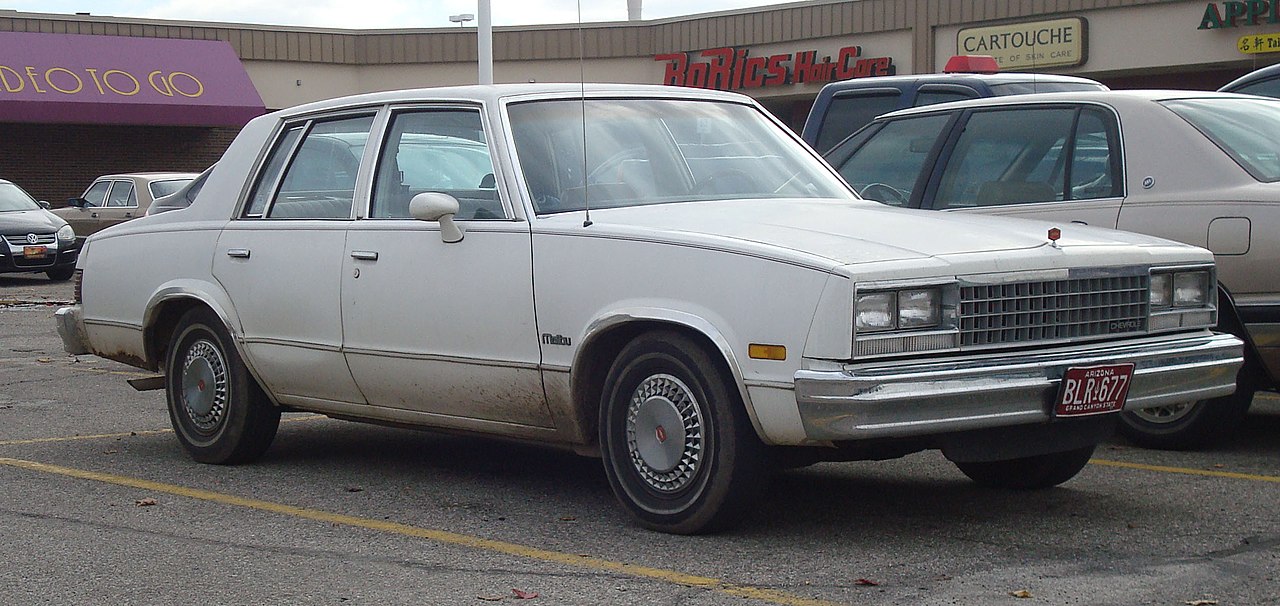

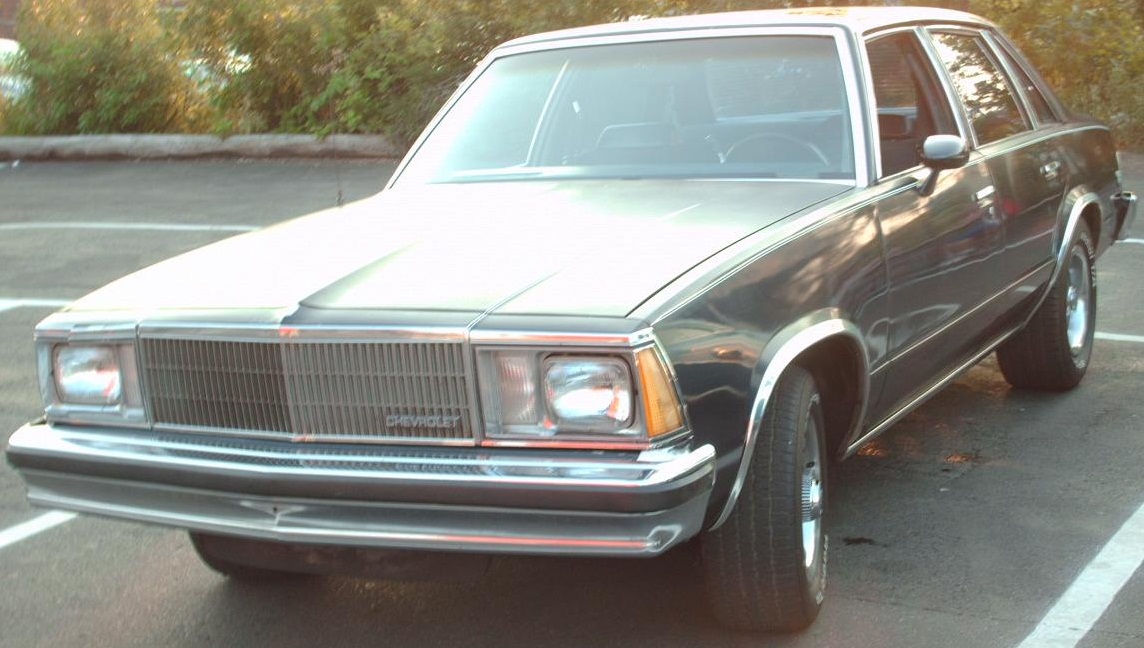


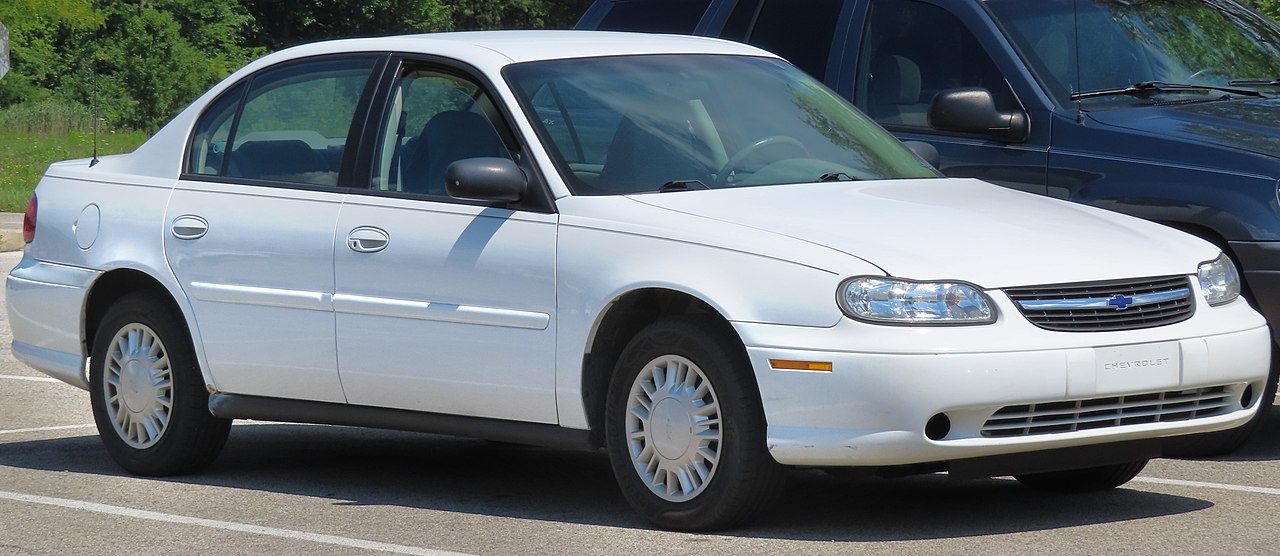


Overview and design
Modern examples of the Malibu are typically four-door sedans with a front-wheel-drive layout, though regional variations and special versions have been offered. Design emphasis has generally combined passenger comfort, interior space and fuel economy with contemporary safety and infotainment features. Trim ranges commonly span basic workaday models to higher-level variants with more powerful engines, upgraded materials and additional technology. In recent generations Chevrolet has used names such as LS, LT and Premier to designate equipment levels and options.
Technical characteristics and powertrains
The Malibu has been equipped with a range of engines across its life, including naturally aspirated four-cylinder units, V6 engines and smaller turbocharged four-cylinders introduced to improve fuel efficiency without sacrificing performance. In some markets and model years Chevrolet has offered stop-start systems, continuously variable transmissions or conventional automatics, and gasoline-electric hybrid drivetrains or mild-hybrid features have appeared as manufacturers sought to meet tightening fuel-economy regulations. Suspension tuning and chassis development have aimed to balance comfort and composed handling suitable for family use.
Historical development
The Malibu name first appeared as a Chevelle trim in the 1960s and later became more prominent within Chevrolet’s mid-size range. After a period of change in the company’s line-up, the Malibu name was revived as a front-wheel-drive mid-size sedan and effectively replaced some earlier models in Chevrolet’s catalog. Since that revival the Malibu has undergone several full redesigns and platform updates to modernize styling, improve safety and add new technology. The model has been positioned between compact and larger full-size cars in Chevrolet’s portfolio and has been a regular presence in the mainstream mid-size segment.
Markets, production and variants
The Chevrolet Malibu has been sold primarily in North America, notably in the United States, Canada and Mexico, and Chevrolet has also marketed the Malibu or related derivatives in parts of South America such as Brazil and in regions including the Middle East. In some countries GM offered locally adapted powertrains, trim levels or badge-engineered variants developed through the company’s international partnerships. Production sites and exact model offerings have varied by generation to reflect regional demand, regulatory requirements and manufacturing arrangements.
Safety, equipment and technology
Throughout its later generations the Malibu incorporated features that became common in its class: multiple airbags, stability control, anti-lock brakes and modern driver-assistance aids such as rearview cameras and optional lane-keeping or forward-collision mitigation systems where available. Infotainment options have included touchscreen systems with smartphone integration, Bluetooth connectivity and integrated navigation in higher trims. Safety ratings have depended on the vehicle year and the crash-test program in each market.
Competition, use and significance
The Malibu competes with other mainstream mid-size sedans from global manufacturers. It has often been chosen for family transport, fleet use and by buyers seeking a balance of interior room, driving comfort and total cost of ownership. The model’s long presence and successive updates reflect Chevrolet’s effort to meet changing consumer expectations in styling, efficiency and in-vehicle technology.
Further reading
Readers seeking manufacturer specifications, current trim details or regional variant information can consult official Chevrolet materials and regional dealer resources. For broader corporate or historical context about the vehicle’s development see corporate histories and model lists provided by automaker archives and reference works here.
- Type: mid-size family sedan.
- Origins: name originated as a Chevelle trim in the 1960s.
- Layout: typically front-wheel drive; various engines including four-cylinder, turbocharged and V6 options.
- Primary markets: United States, Canada, Mexico, Brazil, Middle East.
Related articles
Author
AlegsaOnline.com Chevrolet Malibu Leandro Alegsa
URL: https://en.alegsaonline.com/art/19420