
Malibu, California
Coastal city in western Los Angeles County known for its beaches, Mediterranean climate, and ties to the entertainment industry. Incorporated in 1991, Malibu extends along State Route 1 with seaside and canyon neighborhoods.
Overview
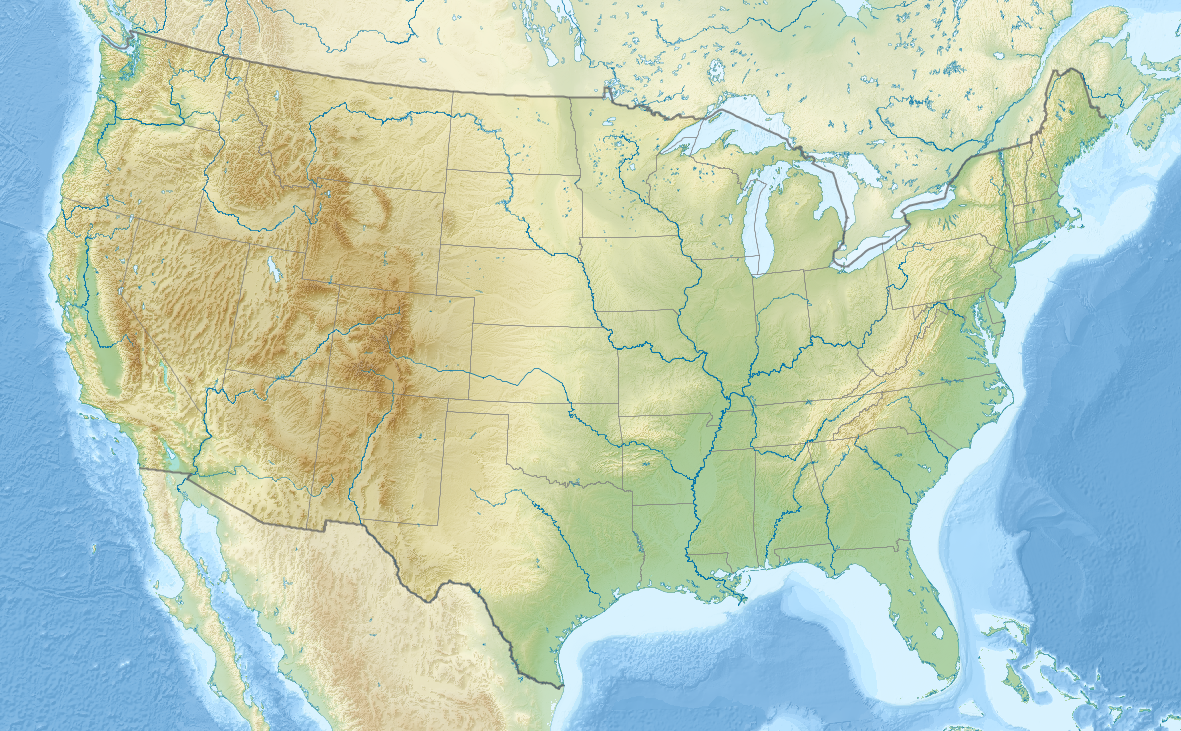
Malibu is a coastal city in western Los Angeles County, located along a narrow strip of coastline about 30 miles west of downtown Los Angeles. The city is best known for its long sandy beach stretches, scenic ocean views and a lifestyle associated with the entertainment industry and private waterfront living. The modern municipal boundaries were established when the area incorporated as the City of Malibu in 1991; the city includes roughly 21 miles of the shoreline commonly referred to as the Malibu coast.
Image gallery
10 Images



Geography and neighborhoods
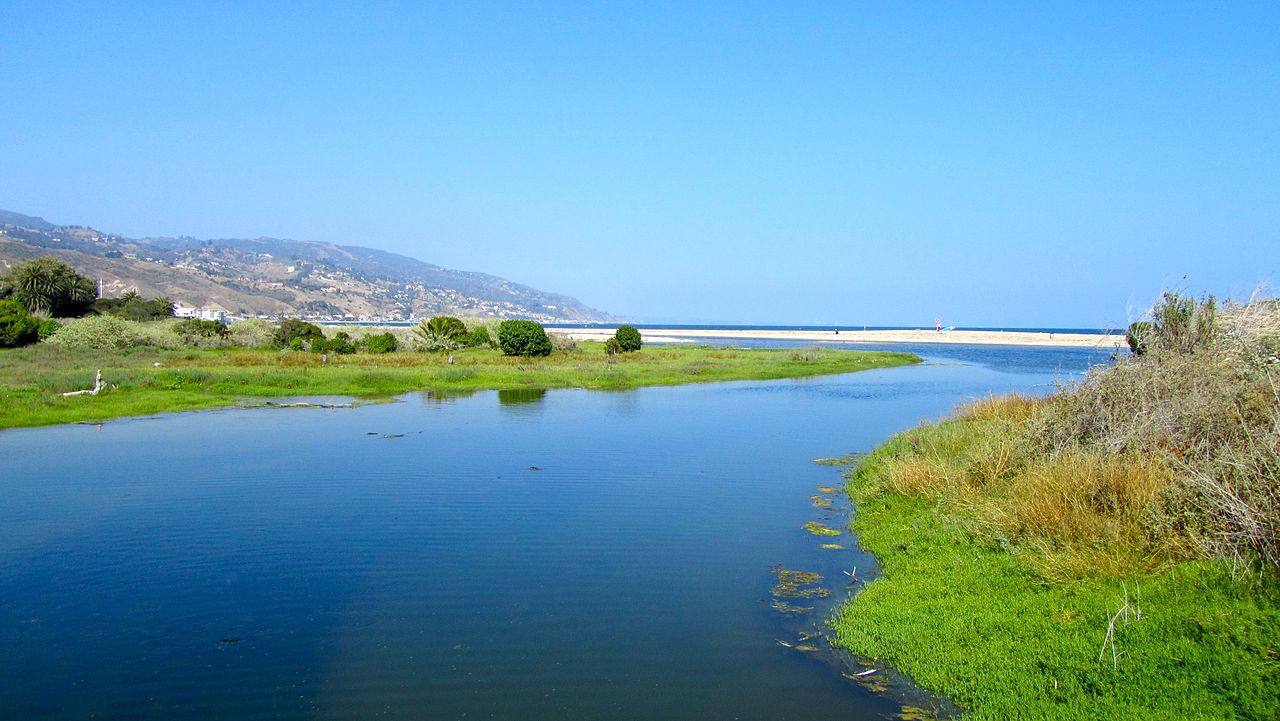
Malibu occupies a thin band of land between the Pacific Ocean and a series of coastal mountains. Most homes and businesses sit close to State Route 1 (Pacific Coast Highway), which runs the length of the city and links its communities. Development also follows steep ravines and side valleys, and some residences are set back from the shore up narrow canyons. Neighborhoods range from public beaches and commercial corridors to secluded gated estates and small hillside hamlets.
- Seaside communities and public beaches
- Historic Malibu Colony and private beachfront properties
- Hillside and canyon neighborhoods with more rural character
Climate and natural environment
The area has a typical Mediterranean climate: mild, wet winters and warm, dry summers moderated by ocean influence. Coastal fog and sea breezes are common, and microclimates can vary significantly between the immediate shoreline and higher inland slopes. Malibu's ecology includes coastal dunes, riparian corridors in canyon bottoms, and chaparral on the hillsides, supporting diverse plant and animal life. Conservation of sensitive habitats and wildfire risk management are prominent local concerns.
History and development
Human use of the Malibu area dates back thousands of years with Indigenous peoples living along the coast prior to Spanish exploration and later Mexican and American periods. European-style ranching and agricultural uses preceded 20th-century residential development. The appeal of the shoreline for leisure and film production led to gradual subdivision and construction of homes, and by the late 20th century the community pursued incorporation to gain local control over land use and environmental protection.
Culture, economy, and visitors
Malibu is closely associated with the entertainment industry and is home to many actors, producers and other professionals from Hollywood and broader media sectors; its reputation for celebrity residences is well known, including numerous movie stars and public figures. The local economy blends residential services, tourism, surf culture, and small commercial districts. Popular activities include surfing, hiking in coastal canyons, dining with ocean views and visiting public parks and beaches.
Notable facts and access
As of the 2010 U.S. census the city population was reported near 12,645, though day visitors and seasonal traffic produce much higher counts on weekends and holidays. Access is dominated by the Pacific Coast Highway and a handful of winding canyon roads leading inland. Malibu's combination of shoreline living, environmental stewardship efforts and high-profile residents makes it a distinctive coastal community within the greater Los Angeles region.
Further information and local resources can be found through municipal, tourism and environmental sites: beaches, county services, climate guides, coast resources, film and culture, celebrity homes, transportation routes and canyon access.
Related articles
Author
AlegsaOnline.com Malibu, California Leandro Alegsa
URL: https://en.alegsaonline.com/art/61018
Sources
- malibutimes.com : "Rick Mullen Sworn in as Mayor of Malibu"
- www2.census.gov : "2016 U.S. Gazetteer Files"
- geonames.usgs.gov : "Malibu"
- zip4.usps.com : "USPS – ZIP Code Lookup – Find a ZIP+ 4 Code By City Results"