
Chemical Weapons in World War I
An overview of chemical warfare during World War I: agents used, delivery methods, protective measures, military impact, public reaction and the postwar legal and ethical consequences.
Overview
Chemical weapons emerged as a prominent and controversial element of combat during World War I, marking the first conflict in which toxic chemical agents were deployed on a large scale. Both sides experimented with gases and lachrymators in attempts to break the deadlock of trench warfare. The introduction of chemical weapons altered battlefield tactics, forced rapid development of protective equipment, and provoked strong public and political reaction that shaped later international law.
Image gallery
10 Images




Agents and delivery methods
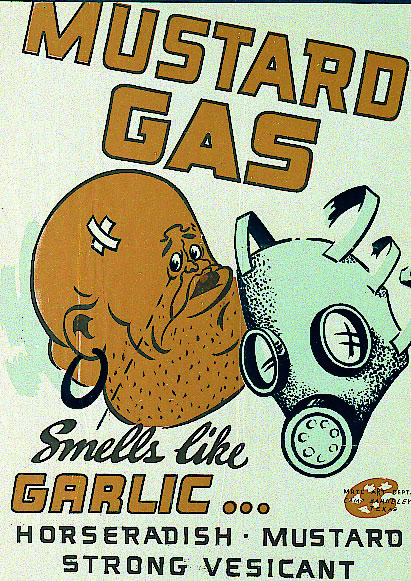
Combatants employed a range of chemical agents with different physiological effects. Early uses involved lachrymatory (tear) agents intended to irritate and disorient. Soon after, more lethal substances were introduced: chlorine caused severe respiratory damage; phosgene produced delayed but often fatal pulmonary injury; and sulfur mustard (mustard gas) inflicted painful blisters and long-term disability. Each compound posed distinct hazards to soldiers and civilians.
- Common agents: lachrymators, chlorine, phosgene, mustard (sulfur mustard).
- Delivery methods: pressurized cylinders released when wind conditions were favorable, artillery shells and mortar rounds filled with chemical payloads, gas grenades, and occasionally spray systems.
Effects and protective measures
The immediate effects of chemical attacks ranged from temporary blindness and coughing to severe internal and external burns, respiratory failure, and death. Beyond fatalities, gas exposure caused long-term disability, psychological trauma, and contamination of terrain. Wind and weather made gas use unpredictable; reverse winds could carry agents back over the attacker’s positions, limiting the reliability of gas as a weapon. As a result, both sides invested heavily in protective measures.
Early protective gear was primitive and uncomfortable: improvised cloths, soaked pads, and bulky hoods were common in the first months. Over time, armies developed more effective respirators and filters—progressing from simple cloths to the chemical absorbent-based masks and small box respirators that became standard equipment. The evolution of gas masks and training for their use greatly reduced the lethal impact of later attacks. For contemporary information on protective equipment and training, see resources on protective gear.
Military use and historical context
The first large-scale application of gas in the war is most closely associated with the German attack at Ypres in April 1915, when chlorinated gas was released against Allied trenches. Earlier limited uses of tear agents and grenades had occurred, and use spread quickly as commanders sought any means to overcome entrenched positions. Chemical weapons were integrated into offensive planning, but their tactical value was inconsistent and often dependent on weather and surprise. The stalemate on many fronts encouraged technological innovation, including the search for weapons that could force breaches in enemy lines—gas was part of that search, alongside artillery and tanks. For broader background on the conflict and its technological arms race, consult contextual histories.
Public reaction, law and legacy
The visible suffering caused by gas attacks generated intense public outcry during and after the war. Many considered chemical warfare to be especially inhumane, and that sentiment contributed to international efforts to restrict such weapons. Pre-war declarations and wartime debate had already established a moral opposition to poisonous projectiles, and after the conflict the international community moved to codify prohibitions. The 1925 Geneva Protocol outlawed the use of chemical and biological agents in war, reflecting lessons drawn from World War I and the desire to prevent a repetition of this form of suffering.
Although chemical weapons remained a technical possibility, their operational use on European battlefields declined dramatically in subsequent large-scale wars. Concerns about retaliation, the unpredictability of effects, and the international taboo shaped decisions by later leaders and militaries. For legal and ethical discussions that followed, see postwar agreements and analysis.
Notable distinctions and continuing relevance
Chemical warfare in World War I stands out because it combined new chemistry, industrial-scale production and mass application in trench conditions. It prompted innovations in protective technology and medical treatment and left a lasting imprint on international humanitarian law. The legacy of chemical weapons from that era remains relevant to modern arms control, emergency preparedness, and historical memory. For additional primary-source collections and summaries, consult archival and educational portals at further reading.
Related articles
Author
AlegsaOnline.com Chemical Weapons in World War I Leandro Alegsa
URL: https://en.alegsaonline.com/art/19192
Sources
- youtube.com : youtube.com/watch?v=OrHFEPu_ANI