
Chełmno extermination camp: history, operation, and legacy
Chełmno (Kulmhof) was the first Nazi extermination camp in occupied Poland, used primarily for mass murder by gas vans; it operated in 1941–1945 and is a key early site of the Holocaust.
Overview
Chełmno extermination camp, known in German as Vernichtungslager Kulmhof, was the earliest Nazi facility created expressly to carry out large-scale killings. Established in occupied Poland by Nazi Germany, it lay roughly 50 kilometres north of the city of Łódź in central Poland. The site was selected during the early years of the Second World War after the 1939 invasion of Poland (1939), when German authorities annexed and reorganized large areas of Polish territory (annexation). From a historical perspective, Chełmno represents an early and systematic stage in the Nazi program of extermination and ethnic cleansing (ethnic cleansing).
Image gallery
10 Images






Location, layout and organization
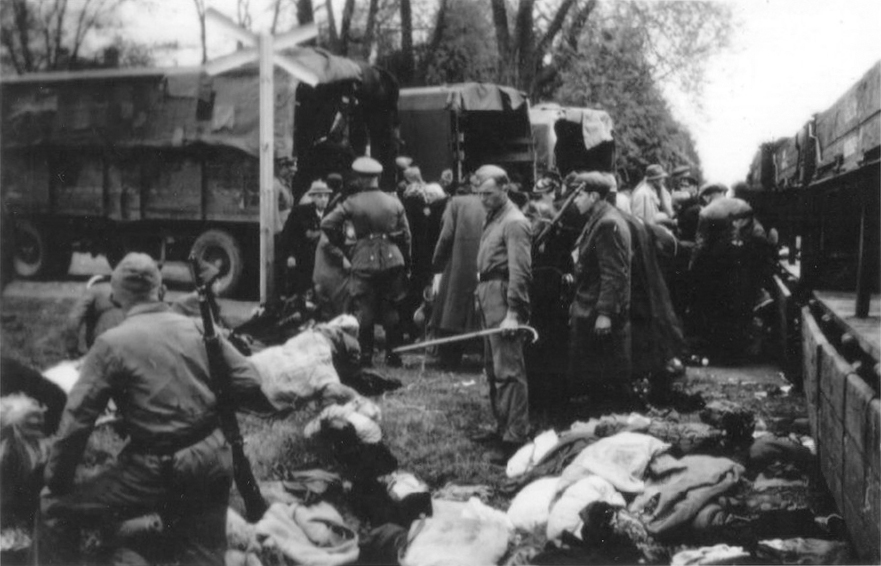
The camp was established near the village of Chełmno nad Nerem, situated by a river and rural roads that concealed its activities from wider view. The facility did not resemble the later, larger death camps in layout; instead it was configured to receive transports, process victims quickly, and murder them using mobile methods. Contemporary reports and later investigations describe a compound with reception areas, temporary holding zones, and rooms where victims were killed, then carried away for burial or destruction. The killing operation at Chełmno is often identified with the use of sealed trucks that functioned as mobile gas chambers.
Operation and methods
Chełmno first began mass killings in late 1941 and was a precursor to other extermination measures associated with Operation Reinhard. The principal method initially employed was the so-called gas van: victims were loaded into a sealed vehicle and killed by exhaust fumes while the vehicle stood in an enclosed space. Bodies were then removed for burial or cremation. The camp was active in two main phases: an extended period beginning on 8 December 1941 and a later reopening from 23 June 1944 until 18 January 1945 during the Soviet military advance (Soviet counter-offensive).
Victims, scale and impact
Chełmno was used primarily to murder Jews deported from Łódź and surrounding areas, along with other local residents, including Roma and Polish civilians. Estimates vary between researchers, but historians agree that well over 150,000 people were murdered at the site during its operation. The camp’s function was to expedite the annihilation of targeted populations through rapid processing and industrial methods of killing; its existence underscores the systematic nature of Nazi mass murder (mass murder).
Aftermath, accountability and memory
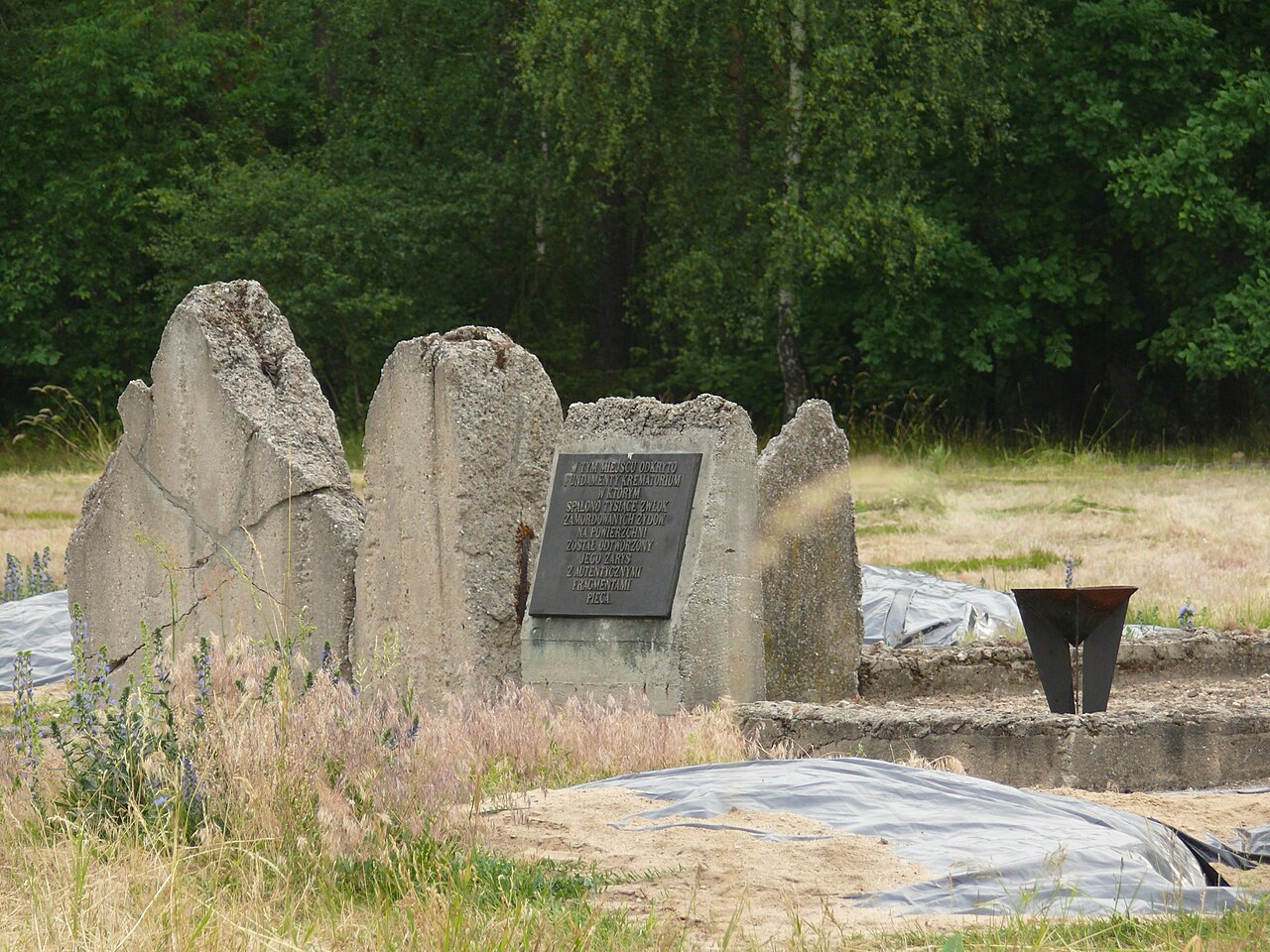
After the war the camp area and its mass graves were investigated by Allied and later Polish authorities. Some individuals associated with the operation of Chełmno were prosecuted in postwar trials, though not all perpetrators were brought to justice. Over subsequent decades historians, survivors, and excavations have worked to document events at Chełmno and to establish an accurate record. The site today includes a memorial and museum to preserve evidence and commemorate the victims.
Notable facts and historical significance
- Chełmno is widely regarded as the first extermination camp established by Nazi authorities and as an early testing ground for killing methods that were later used elsewhere.
- The camp’s remote rural setting and use of mobile killing units differentiated it operationally from larger fixed-facility camps.
- Research into Chełmno contributes to broader understanding of how the Holocaust developed into an organized, state-directed program of ethnic destruction and genocide.
For further reading and archival materials, see specialist works and institutional collections that document the camp’s history and the experiences of its victims. Additional contextual material can be found through historical collections and research projects linked from introductory resources (German name and sources, Nazi administrative records, regional maps, Łódź ghetto references, Polish archives, invasion timelines, annexation documents, policies of ethnic cleansing, accounts of mass murder, Operation Reinhard studies, Soviet military records).
Questions and answers
Q: What was Chełmno extermination camp?
A: Chełmno extermination camp was the first extermination camp (death camp) opened by Nazi Germany in Poland.
Q: Where was Chełmno located?
A: Chełmno was 50 kilometres (31 mi) north of the city of Łódź, Poland.
Q: When did Nazi Germany invade Poland?
A: Nazi Germany invaded Poland in 1939.
Q: What was the specific goal of Chełmno?
A: The specific goal of Chełmno was to carry out ethnic cleansing through mass murder.
Q: When was Chełmno kept open?
A: Chełmno was kept open from December 8, 1941, as part of Operation Reinhard during the most deadly phase of the Holocaust, and again from June 23, 1944 to January 18, 1945 during the Soviet counter-offensive.
Q: How many people were murdered at Chełmno?
A: The Nazis murdered over 150,000 people at Chełmno, including many Polish Jews from the Łódź Ghetto and the local people who lived in Reichsgau Wartheland (Warthegau).
Q: Was Chełmno significant in the history of the Holocaust?
A: Yes, Chełmno was significant in the history of the Holocaust as it was the first extermination camp and a site of mass murder of over 150,000 people.
Related articles
Author
AlegsaOnline.com Chełmno extermination camp: history, operation, and legacy Leandro Alegsa
URL: https://en.alegsaonline.com/art/19210
Sources
- ushmm.org : "Chelmno"
- weber.ucsd.edu : German Crimes in Poland (Warsaw: 1946, 1947)
- ww2today.com : "SS use of mobile gassing vans"
- jta.org : "Jewish Survivors of Chelmno Camp Testify at Trial of Guards" · web.archive.org
- chelmno-muzeum.eu : Kulmhof 1941-1945. The German Death Camp in Chełmno on the Ner · web.archive.org
- holocaust-history.org : (see attached photocopies at HolocaustHistory.org)
- books.google.com : The gas-vans: A new and better method of killing had to be found
- ess.uwe.ac.uk : "Evidence for the Implementation of the Final Solution"
- alphahistory.com : "Liberation of the camps"
- fr.jpost.com : "The last survivor" · web.archive.org