
Charles Robert Jenkins
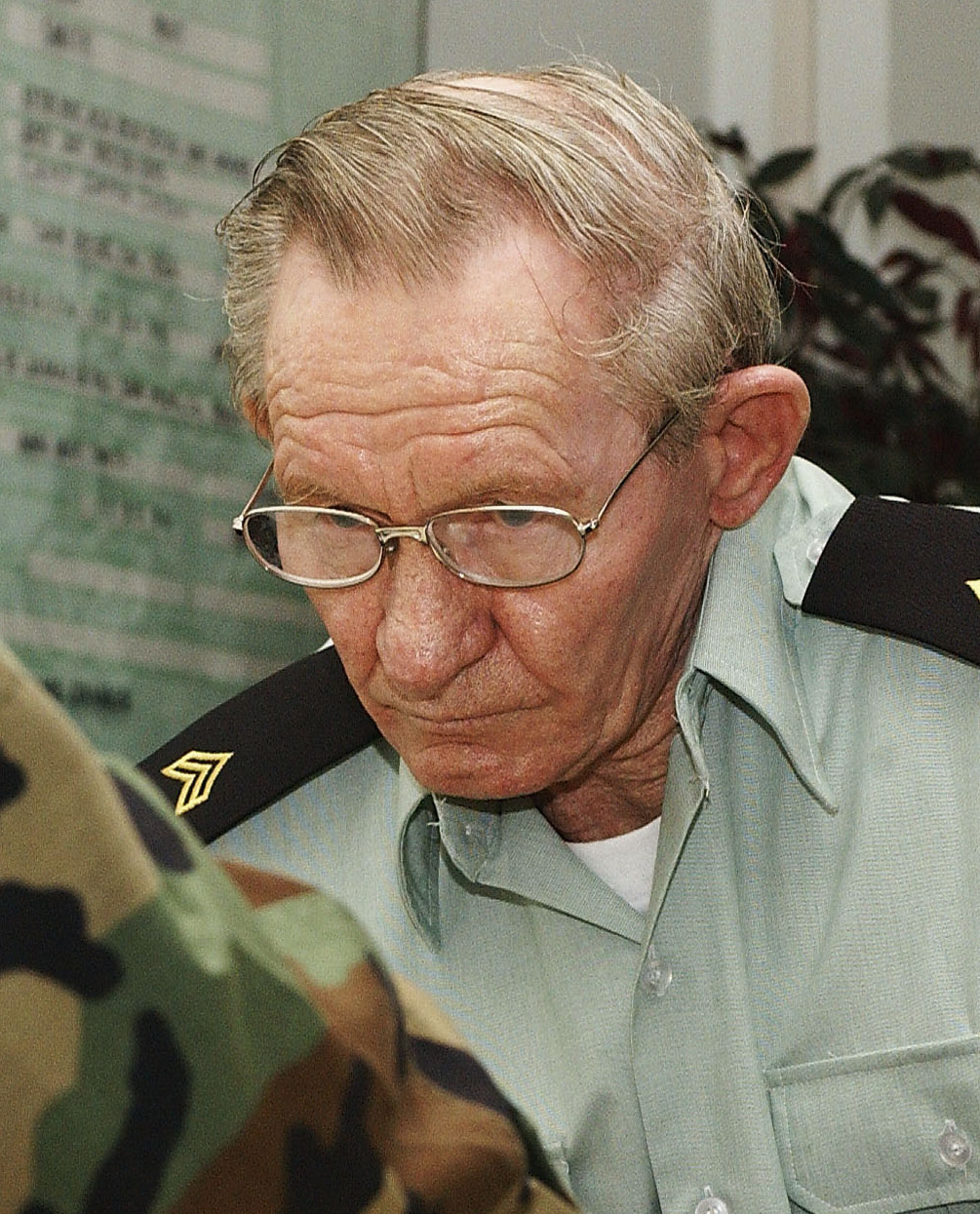
U.S. Army sergeant who deserted to North Korea in 1965, lived there for nearly four decades, later returned to Japan and was court-martialed in the United States before living his final years as a resident of Japan.
Overview
Charles Robert Jenkins (February 18, 1940 – December 11, 2017) was a former member of the United States Army who left his unit in 1965 and crossed the Korean Demilitarized Zone, entering North Korea. He remained there for almost four decades before leaving in the early 2000s. Jenkins's life became the focus of international attention because his defection raised questions about Cold War-era military discipline, human rights in North Korea, and the fate of foreign nationals detained there.
Image gallery
5 Images



Life before and reasons for leaving
Born in Rich Square, North Carolina, Jenkins served in the U.S. Army stationed on the Korean Peninsula. In 1965, he walked away from his post and crossed into North Korea. Jenkins later stated that he feared deployment to a combat zone and had personal and disciplinary problems that contributed to his decision. His desertion occurred during a period of heightened tension on the peninsula and at a time when many service members were anxious about overseas combat assignments.
Years in North Korea
During his time in North Korea Jenkins reportedly worked in a number of roles including as an English teacher, translator and in state media productions. He appeared in North Korean propaganda broadcasts and films, an experience often highlighted by commentators as demonstrating how defectors were used for state purposes. While living in North Korea he married a Japanese woman who had been abducted by North Korean agents; the marriage and the family they formed drew significant media attention when they later left the country.
Return, trial and sentence
In the early 2000s, Jenkins left North Korea and went to Japan with his wife and children. After arriving in Japan he surrendered to U.S. military authorities. On November 3, 2004, he pleaded guilty to charges of desertion and aiding the enemy but denied making disloyal or seditious statements; related charges were dropped. The court-martial sentenced him to 30 days' confinement, reduced his rank to E-1, ordered a dishonorable discharge and forfeiture of pay and allowances. He was released a few days early for good behavior and subsequently returned to civilian life in Japan.
Later life and death
Jenkins settled with his family on Sado Island in Niigata Prefecture, where he lived until his death. He obtained permanent residency in Japan on July 15, 2008. Jenkins died on December 11, 2017 in Sado, Niigata of complications related to heart failure, aged 77. His later years were spent relatively privately, though he occasionally participated in interviews and public discussions about his experiences.
Significance and notable aspects
- Jenkins's case highlighted the complex human dimensions of the Cold War and its aftermath, especially regarding servicemembers who deserted to adversary states.
- His marriage to a Japanese national abducted to North Korea drew attention to the broader issue of foreign abductees and became part of diplomatic discussions between Japan and North Korea.
- The relatively lenient military sentence he received prompted commentary about mitigating factors such as the length of time he had spent under North Korean control and his family circumstances.
For additional context on the military, regional, and humanitarian issues related to Jenkins's story, readers can consult sources on U.S. military regulations, the history of the Korean Peninsula, and reporting on North Korea's treatment of foreign residents and detainees. Relevant reference points include the legal concept of desertion and accounts of life in the Korean Demilitarized Zone area.
Though Jenkins's choices remain controversial, his life illustrates how geopolitical conflict, personal decisions, and international diplomacy can intersect in unexpected ways, leaving a legacy that continues to inform discussions about duty, accountability and reconciliation.
Tags
Related articles
Author
AlegsaOnline.com Charles Robert Jenkins Leandro Alegsa
URL: https://en.alegsaonline.com/art/18761
Sources
- cbsnews.com : "Deserter Recalls N. Korean Hell"
- japantimes.co.jp : "Jenkins gets permanent residency"
- japantimes.co.jp : "Charles Jenkins, husband of Japanese ex-abductee to North Korea Hitomi Soga, dies at 77" · web.archive.org