
Charles W. Chesnutt: African American Writer on Race, Passing, and the Postwar South
Profile of Charles W. Chesnutt, African American writer who examined race, racial passing, and post–Civil War Southern society through novels, stories, and essays including The House Behind the Cedars.
Charles Waddell Chesnutt (born June 20, 1858 – died November 15, 1932) was an African-American writer whose work combined fiction, short stories, and essays to examine race and identity in the late 19th and early 20th centuries.
Image gallery
7 Images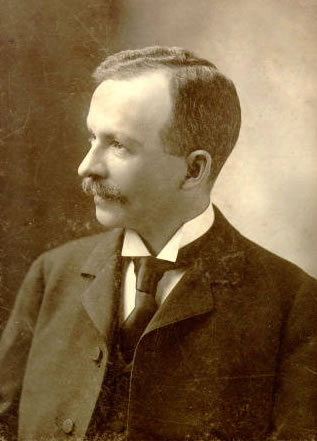




Life and career
Chesnutt emerged as a prominent literary voice during a period of intense social change in the United States. Over the course of his career he published novels and shorter pieces that addressed the legacies of slavery, the complexities of racial passing, and tensions in the post–Civil War South.
Major works
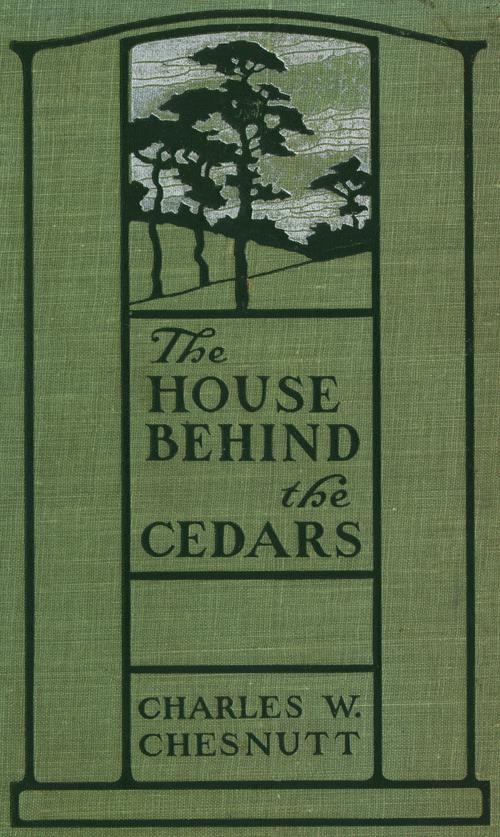
He produced several notable books, including the novels The House Behind the Cedars and The Marrow of Tradition. These works are often cited for their realistic depiction of Southern society and for confronting controversial social issues.
Chesnutt also wrote memorable short fiction. One of his best-known stories, The Goophered Grapevine, concerns a seemingly haunted vineyard and blends folklore with social commentary; this tale appears among the pieces often used to introduce readers to his craft and to the Southern setting he knew well. The story itself is frequently anthologized and discussed in studies of American short fiction and folklore (see story).
Themes and influence
Across his work Chesnutt explored moral ambiguity, the social costs of racial hierarchies, and the ways in which law and custom shaped everyday life. Although his novels achieved mixed commercial success during his lifetime, critics and scholars in later generations have recognized his contributions to American literature and to early African-American realism.
Selected bibliography
- The House Behind the Cedars
- The Marrow of Tradition
- The Goophered Grapevine (short story)
Tags
Related articles
Author
AlegsaOnline.com Charles W. Chesnutt: African American Writer on Race, Passing, and the Postwar South Leandro Alegsa
URL: https://en.alegsaonline.com/art/18703