
1858
A year of diplomatic change, colonial transfer of power in India, early global telegraph experiments, and the joint presentation of the idea of natural selection by Darwin and Wallace.
Overview
1858 was a year in which diplomacy, imperial administration and scientific thought produced developments with lasting consequences. Across Asia and Europe treaties and secret negotiations reshaped diplomatic alignments; in South Asia authority over colonial territories shifted from commercial to governmental hands; and in science an influential idea about biological change was presented to the learned world. At the same time experiments in long‑distance electrical communication pointed toward a more connected globe.
Image gallery
10 Images


Politics and international relations
Several important political events took place in 1858. In East Asia a series of treaties expanded Western access to ports and formal diplomatic relations with Qing China and other states, reflecting the pressures and outcomes of recent conflicts. In Europe, diplomatic maneuvering and agreements laid groundwork for the next stage of Italian unification, while political violence and assassination attempts influenced diplomatic posture and domestic policy in some states.
In South Asia responsibility for the governance of British possessions was transferred away from the chartered East India Company toward direct rule by the British government, a change that restructured colonial administration and the relationship between Britain and the subcontinent.
Science, technology and ideas
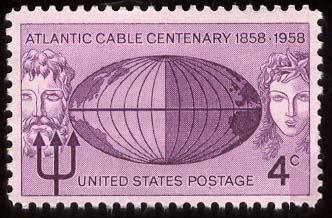
During 1858 naturalists working independently arrived at the same mechanism to explain some aspects of biological change: material from both Charles Darwin and Alfred Russel Wallace was brought before a learned society, making the idea of natural selection publicly known to the scientific community. In communications, engineers completed the first transatlantic telegraph cable and briefly demonstrated near‑instant messaging between Europe and North America, an early but fragile step toward global electrical networks.
United States and North America
Political life in the United States was charged. A new state entered the Union, altering representation in national institutions. Intense regional and national debates in the American political arena, including a widely reported series of campaign debates in Illinois, elevated leaders who would play prominent roles in the coming decade.
Culture, births and influence
The year also saw the births of people who would later contribute to politics, scholarship and the sciences. Cultural and intellectual currents of the period—industrialization, expanding print culture, and international travel and communication—helped transmit new ideas and shaped public debate.
Summary of themes
- Imperial governance: transfer of colonial authority to direct state control in South Asia.
- International treaties: expanded access and diplomatic relations in East Asia.
- Scientific exchange: joint disclosure of natural selection and early transatlantic telegraph experiments.
- Political developments: changes in U.S. statehood and prominent public political contests.
Related articles
Author
AlegsaOnline.com 1858 Leandro Alegsa
URL: https://en.alegsaonline.com/art/111818