
Audre Lorde: Poet, Feminist, and Advocate for Intersectional Justice
Audre Lorde (1934–1992) was an American poet, essayist, and activist whose writing and organizing addressed racism, sexism, lesbian identity, and the power of difference.
Overview
Audre Lorde was an influential American writer, poet, teacher and activist who used language and art to confront injustice. Born in New York City, she became widely known for work that mixed lyrical poetry with sharp political essays. Lorde insisted that personal identity—race, gender, sexuality, class, and health—was inseparable from political struggle and creative practice.
Image gallery
7 Images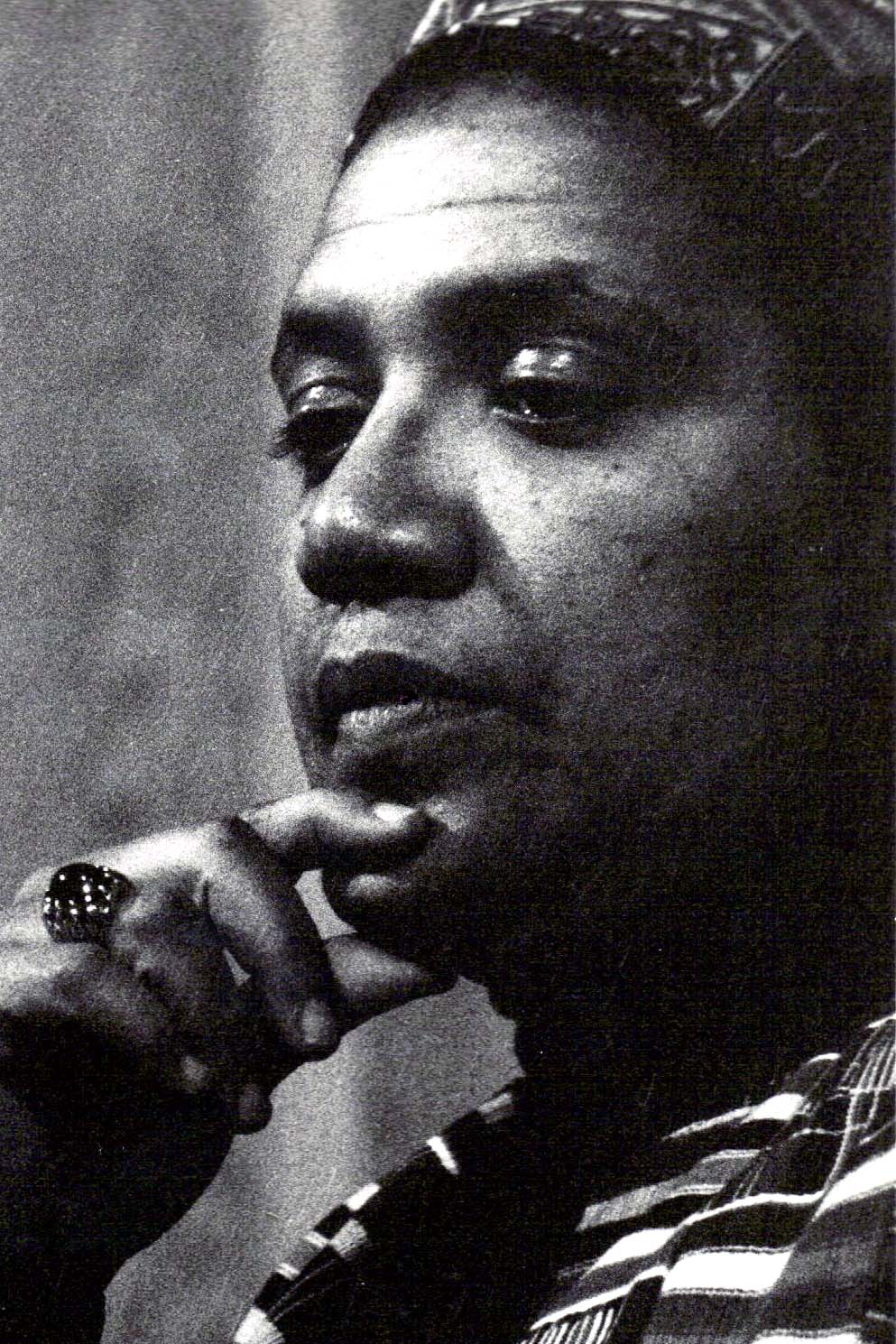


Early life and education
Born to Caribbean immigrant parents in New York City, Lorde faced childhood health and learning challenges yet developed an early fluency with words. She attended Catholic schools and went on to study at Hunter College before completing graduate work in library science at Columbia University. Her background as a Black woman of Caribbean descent and as a self-identified lesbian deeply shaped both the content and urgency of her writing.
Themes, style and ideas
Lorde’s work blends personal narrative, poetic images and political analysis. She argued that difference is a resource, not a liability, and emphasized solidarity across identities without erasing specificity. One of her best-known essays contains the memorable line that "the master's tools will never dismantle the master's house," a critique of movements that replicate oppressive methods. Lorde also coined and practiced hybrid genres; she described some of her work as "biomythography," combining biography, myth and historical fact.
Major works
Lorde published poetry, autobiographical prose and collected speeches that remain central to contemporary feminist and queer thought. Representative titles include:
- Coal and other early poetry collections that establish her voice and themes.
- The Black Unicorn and later poetry that deepens mythic and personal motifs.
- Zami: A New Spelling of My Name, a self-described biomythography blending memoir and myth.
- Sister Outsider and A Burst of Light, collections of essays and speeches addressing race, gender and illness.
Activism and influence
Beyond literature, Lorde was an organizer, teacher and public intellectual. She worked with feminist, civil rights and lesbian activist communities, bringing attention to the ways racism and sexism intersect. Her insistence on acknowledging and working through difference influenced later theorists and movements concerned with intersectionality, queer studies and Black feminism. Lorde’s writing is frequently anthologized and continues to be taught and cited across disciplines.
Death and legacy
Audre Lorde died in Saint Croix in the U.S. Virgin Islands, where she had been receiving treatment, leaving a legacy of poetic innovation and political clarity. She passed away in Saint Croix (Saint Croix) after an illness; the immediate cause was liver cancer (liver cancer). Her work remains a touchstone for writers and activists who seek to connect art and social change, and her phrases and essays continue to shape conversations about difference, power and solidarity.
For readers new to Lorde, beginning with selections from her poetry alongside essays such as those in Sister Outsider offers an accessible entry into her voice: fierce, elegiac and uncompromisingly political.
Tags
Related articles
Author
AlegsaOnline.com Audre Lorde: Poet, Feminist, and Advocate for Intersectional Justice Leandro Alegsa
URL: https://en.alegsaonline.com/art/7261
Sources
- english.illinois.edu : "Audre Lorde's Life and Career"
- poetryfoundation.org : "Audre Lorde"
- outhistory.org : "Audre Lorde. Big Lives: Profiles of LGBT African Americans"