
Charadriiformes: the diverse order of shorebirds, gulls, terns and allies
Charadriiformes is a global order of about 350 species including plovers, sandpipers, gulls, terns and auks; varied in form, habitat and behavior and ecologically important as shore and seabirds.
Overview
Charadriiformes is an order of birds that contains many familiar shore and seabirds — plovers, sandpipers, gulls, terns, auks and several other groups. Members occur on every continent and occupy a wide range of habitats from open ocean to inland lakes, coastal mudflats, saltmarshes, grasslands and even desert and forest. For a concise general summary see Charadriiformes overview.
Image gallery
4 Images


Physical characteristics
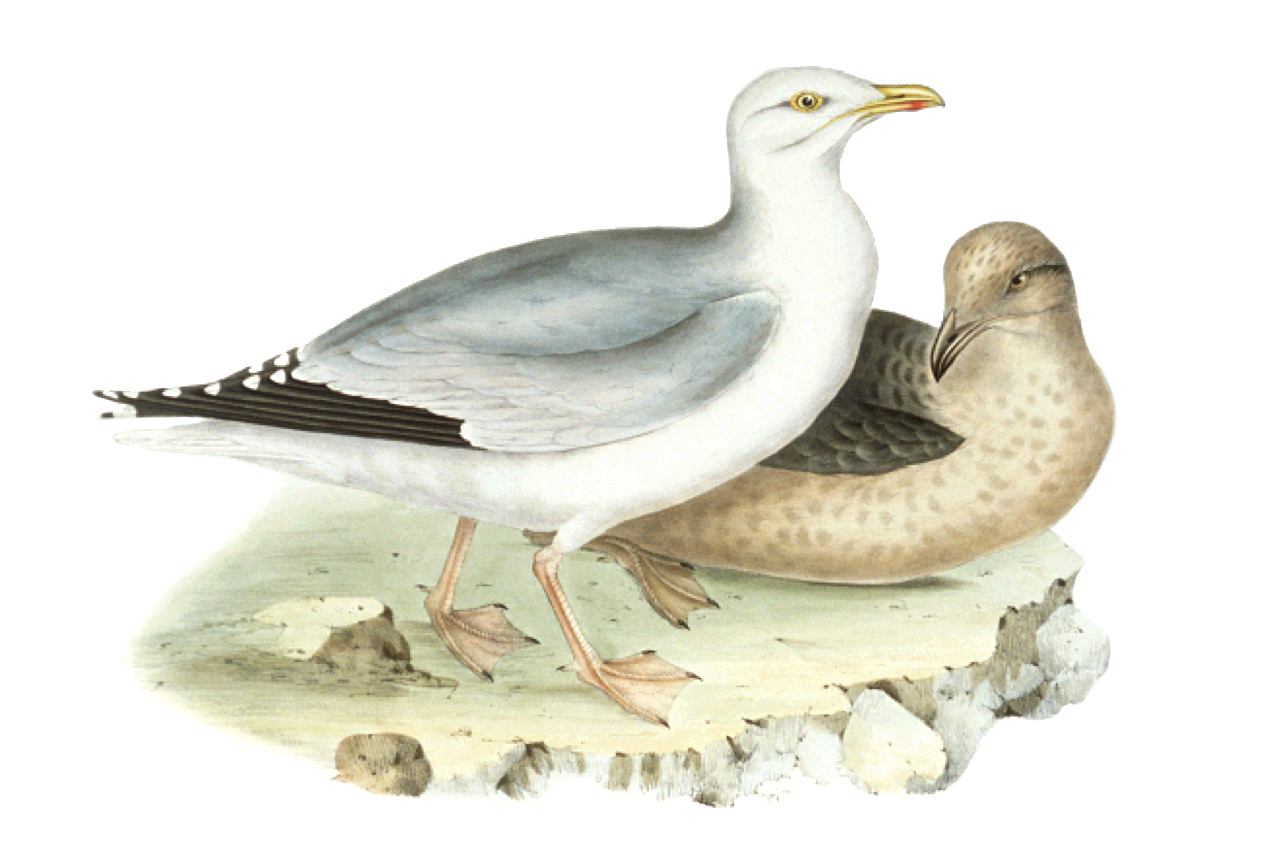
Size and shape vary widely among charadriiforms. Many waders (shorebirds) have relatively long legs and slender bills for probing mud and sand, while gulls and terns are built for flight and surface-feeding with webbed feet. Auks are compact, diving species with short wings adapted for underwater 'flight'. Skull and beak structure reflect diverse diets: insectivory, molluscivory, shell-crushing, surface plucking and plunge-diving are all represented. For identification guides and species lists consult further resources.
Taxonomy and evolution
Traditionally charadriiforms have been grouped into several suborders, often cited as Charadrii (plovers, oystercatchers), Scolopaci (sandpipers and allies) and Lari (gulls, terns and skuas), though modern molecular studies have refined these divisions. Fossil and genetic evidence suggest the group diversified early in the Cenozoic, adapting to a variety of aquatic and coastal niches. For taxonomic summaries see taxonomic sources.
Behavior and ecology
Many species are migratory, travelling long distances between breeding and wintering grounds. Feeding techniques can include probing, pecking, skimming, aerial plunge-diving and kleptoparasitism (stealing food). Breeding strategies range from solitary territory defense to colonial nesting on cliffs or islands. Charadriiforms play important roles in coastal food webs as predators of invertebrates and fish and as scavengers.
Human interactions and conservation
Charadriiform species are indicators of wetland and coastal health and attract interest from birdwatchers and researchers. Several species have declined due to habitat loss, disturbance, pollution, introduced predators and climate change; conservation actions include habitat protection, predator control and monitoring. More on conservation programs and citizen science initiatives can be found at conservation resources.
Major groups and notable facts
- Plovers and lapwings: short-billed waders that often nest on open ground.
- Sandpipers and allies: usually long-billed, diverse in foraging techniques.
- Gulls and terns: coastal and pelagic, varying from scavengers to skilled fishers.
- Auks and murres: northern, diving seabirds adapted to cold oceanic waters.
Because of their variety and accessibility, Charadriiformes remain a central focus for studies of migration, coastal ecology and the impacts of environmental change.
Related articles
Author
AlegsaOnline.com Charadriiformes: the diverse order of shorebirds, gulls, terns and allies Leandro Alegsa
URL: https://en.alegsaonline.com/art/18631