
Cheap Trick: American rock band known for power pop and the Budokan breakthrough
Cheap Trick is an American rock band from Illinois, celebrated for catchy power-pop hooks, the live Budokan breakthrough and enduring popularity in Japan and worldwide.
Overview
Cheap Trick are an American rock band formed in Rockford, Illinois. Emerging in the 1970s, they blended hard rock energy with pop melodies and vocal harmonies. Over several decades the group became best known for a handful of enduring singles and for an unusually strong fan base in Japan.
Image gallery
10 Images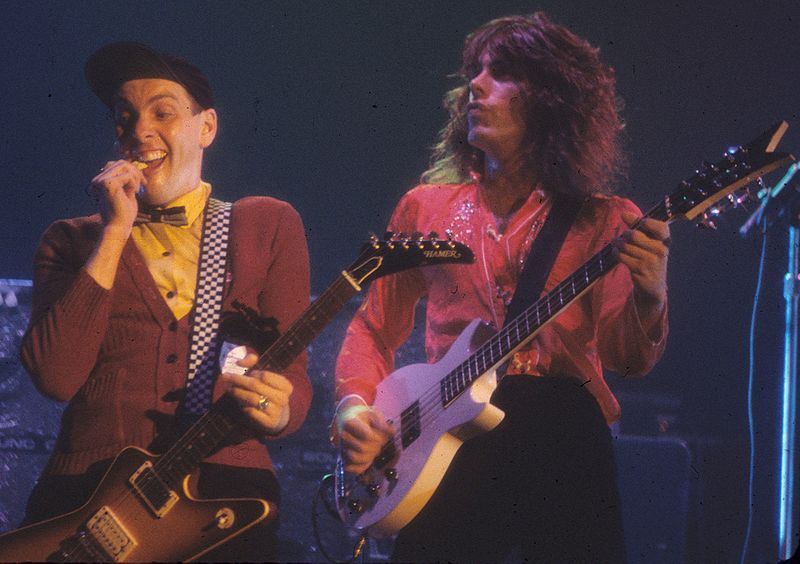


Members and musical character
The band's core lineup that established their signature sound featured a frontman with a powerful, melodic voice, a distinctive lead guitarist known for both inventive riffs and stage theatrics, a bassist who contributed to the melodic foundation and vocal texture, and a steady drummer anchoring the rhythm. Their music often pairs crunchy guitar tones and driving rhythms with singable choruses, creating a bridge between harder rock and the melodic sensibilities of power pop.
Career highlights and recordings
Cheap Trick's breakthrough came when a live recording captured the band reaching a wider audience; a single from that era was transformed into one of their most recognizable hits. Their catalog mixes studio albums and acclaimed live work, and includes both radio-friendly singles and longer, more rock‑oriented tracks.
- Notable singles: "I Want You to Want Me," "Surrender," "Dream Police," and later a power ballad hit in the 1980s.
- Representative albums: studio releases that established their mix of melody and rock plus a celebrated live album that boosted their international profile.
Later developments
After initial commercial peaks in the late 1970s and into the 1980s, the band continued to record and tour. Their sound adapted at times to changing musical trends while keeping core elements intact. Like many long-running groups, they experienced lineup adjustments and periods of renewed public interest, including successful tours and anniversary projects.
Legacy and cultural impact
Cheap Trick has influenced subsequent generations of rock and power-pop musicians through their emphasis on strong melodies and dynamic live performances. They enjoy a particularly notable reputation in Japan, where they earned enthusiastic acclaim and an informal epithet reflecting their importance to local fans. Their combination of accessible songwriting and rock attitude keeps them referenced in discussions of classic American rock bands and enduring live acts.
Further reading
For an official overview, tour dates and discography, see the band's official pages and authorized biographies available through music reference sites and archives. Contemporary reviews and retrospective essays provide additional context for their role in late 20th‑century rock.
Related articles
Author
AlegsaOnline.com Cheap Trick: American rock band known for power pop and the Budokan breakthrough Leandro Alegsa
URL: https://en.alegsaonline.com/art/19079