
Chaldean Catholic Church
An Eastern Catholic sui iuris church of Iraqi origin that uses the East Syriac liturgy, is in full communion with the Bishop of Rome, and serves communities in the Middle East and worldwide.
The Chaldean Catholic Church is an Eastern particular church within the global Catholic Church that follows the East Syriac liturgical tradition and is in full communion with the Bishop of Rome. Its members are primarily ethnic Chaldeans from northern Iraq and neighbouring regions. The community is sometimes identified by the Arabic name الكنيسة الكلدانية, and modern estimates place its faithful at roughly 600,000–700,000 worldwide, including large diasporas in the Americas, Europe, Australia and the Levant (see diaspora).
Image gallery
10 Images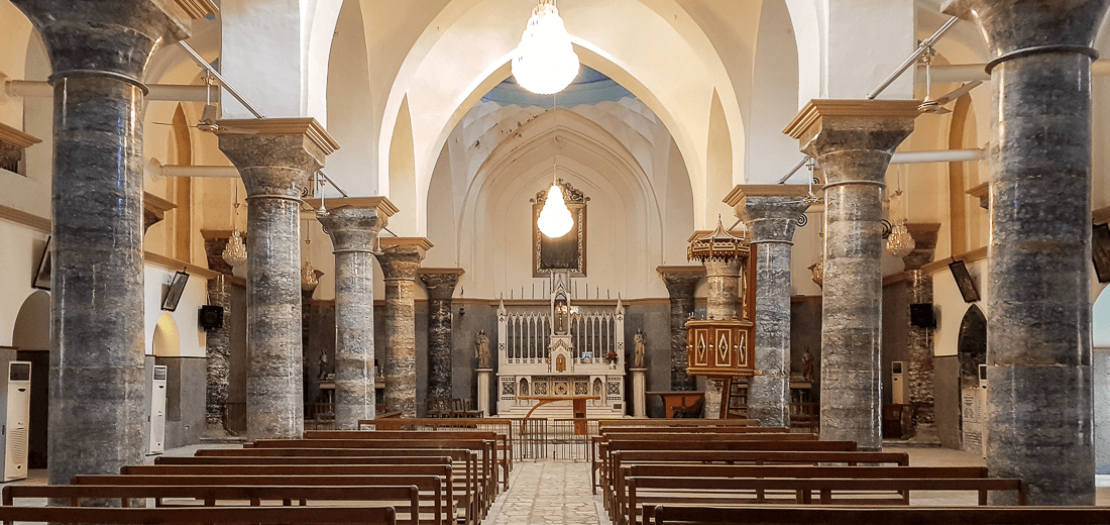


Origins and historical development
The present Chaldean Catholic Church traces its origins to divisions and realignments among East Syriac Christians in the 16th century and later, when a group of bishops sought communion with Rome. Over subsequent centuries the community developed a distinct identity as a Catholic branch of the historic Church of the East, adopting the patriarchal title popularly rendered as "Patriarch of Babylon of the Chaldeans." The church has preserved ancient East Syriac rites and traditions while adapting to changes in language and context.
Liturgy, language and clergy
The Chaldean Church uses the East Syriac liturgical rite, often called the Chaldean Rite. Classical Syriac—an Eastern Aramaic language—is retained in parts of the liturgy, and modern Neo-Aramaic dialects or Arabic are commonly used in pastoral practice. As in other Eastern Catholic churches, a disciplined tradition allows for married parish clergy, while bishops are normally chosen from celibate clergy or monastics.
Structure, practice and locations
Organizationally the Chaldean Church is a sui iuris church with its own patriarch and synod of bishops and is divided into eparchies and archeparchies in Iraq and abroad. It places emphasis on preserving liturgical heritage, pastoral care, and the Aramaic language. Many communities celebrate ancient Eucharistic prayers such as the Anaphora of Addai and Mari, one of the oldest Eucharistic texts in Christianity, which has been the subject of ecumenical and scholarly attention.
Contemporary challenges and significance
In recent decades the Chaldean Catholic community has faced displacement, persecution and emigration, especially after regional conflicts in Iraq and the surrounding area. This has produced sizeable diaspora communities that maintain cultural and liturgical ties to their homeland. The Chaldean Church plays a notable role in preserving East Syriac Christian traditions and the Aramaic linguistic heritage within a global Catholic context.
Distinctive features
- Rite: East Syriac (Chaldean) liturgy.
- Language: Classical Syriac in liturgy; Neo-Aramaic and Arabic in pastoral use.
- Hierarchy: Patriarchal church in full communion with Rome.
- Identity: Ethno-religious roots in Iraqi Mesopotamia and a significant diaspora presence.
Related articles
Author
AlegsaOnline.com Chaldean Catholic Church Leandro Alegsa
URL: https://en.alegsaonline.com/art/18376