
Syriac language: an Eastern Aramaic literary and liturgical tradition
Syriac is an Eastern Aramaic language that became a major literary, liturgical, and scholarly medium in the Near East. It survives as a classical written standard and in modern Neo-Aramaic varieties.
Overview
Syriac (classical name leššānā Suryāyā) is a form of Eastern Aramaic that developed into a prominent written and liturgical language across the Near East. Emerging in and around the ancient city of Edessa, it became the vehicle for Christian theology, biblical translation, and many branches of learning. As a member of the Semitic family, Syriac shares grammatical features with Hebrew and Arabic while preserving a distinctive literary tradition. For its classification see Eastern Aramaic.
Image gallery
9 Images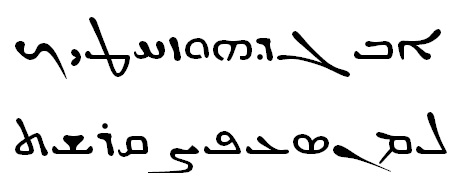



Characteristics
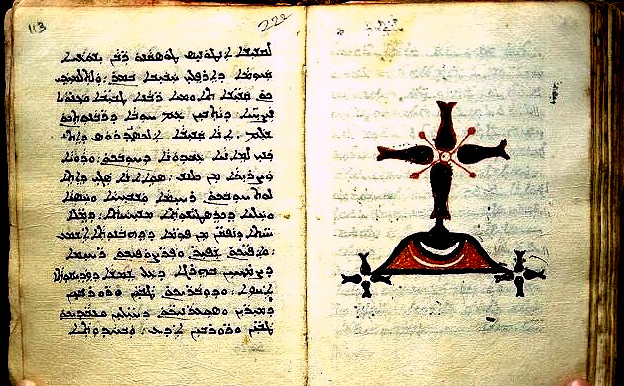
Syriac uses a script derived from Imperial Aramaic and is written from right to left. Classical Syriac was primarily a consonantal alphabet; vowel marks and diacritics were added later to guide pronunciation and reading in liturgical contexts. Its morphology is based on consonantal roots and patterning typical of Semitic languages. Many surviving texts employ specialized theological and legal vocabulary that shaped ecclesiastical usage across communities.
Scripts, dialects and modern varieties
- Major classical scripts: Estrangela, the elegant early form; Serto, associated with Western Syriac tradition; and Madnhaya (Eastern script), used in eastern churches.
- Modern descendants and related Neo-Aramaic varieties are spoken by communities in Iraq, Syria, Turkey and the diaspora; some use Syriac chiefly for liturgy while speaking Neo-Aramaic dialects at home.
- The Syriac script has also been used to write Arabic in a form called Garshuni.
History and cultural role
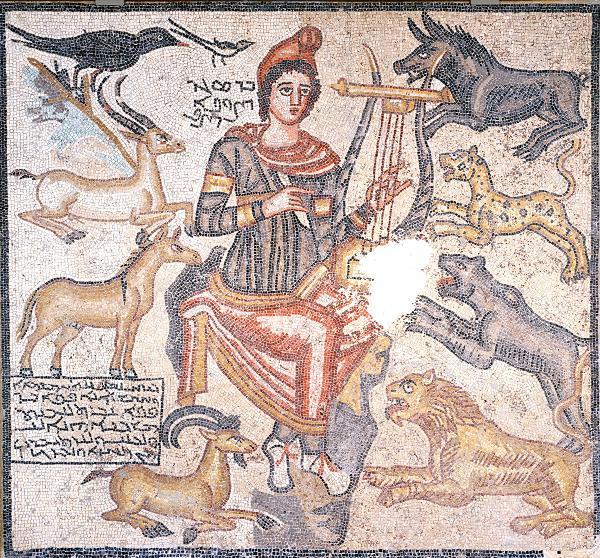
From late antiquity through the early Middle Ages, Syriac became the dominant medium for Christian literature in much of the Fertile Crescent and beyond. Important translations, such as the Peshitta version of the Bible, and extensive theological, historical and scientific writings are preserved in Syriac. Most of the surviving Aramaic literature from the second to the eighth centuries AD is in Syriac; see surveys of early manuscripts for the period 2nd–8th centuries and broader regional studies of the Fertile Crescent.
Uses and significance today
Classical Syriac remains the liturgical language of several Eastern Christian churches and an object of scholarly study. It played a crucial role in transmitting Greek learning into Syriac and later into Arabic, helping preserve and spread medical, philosophical and scientific texts. Contemporary communities continue efforts to teach Syriac in cultural and religious settings while speaking Neo-Aramaic dialects in daily life; ongoing documentation and revitalization projects aim to support these traditions into the modern era.
Distinctions and notable facts
It is important to distinguish Classical Syriac—the standardized literary language used in manuscripts and liturgy—from the living Neo-Aramaic varieties that evolved from it and neighboring dialects. Classical Syriac functions much like Latin in medieval Europe: a written and ceremonial standard that coexisted with vernacular speech. Its manuscripts and inscriptions remain vital sources for the history of the Near East and for understanding the development of Semitic languages generally.
Author
AlegsaOnline.com Syriac language: an Eastern Aramaic literary and liturgical tradition Leandro Alegsa
URL: https://en.alegsaonline.com/art/95705
Sources
- glottolog.org : "Classical Syriac"