
Central Vermont Railway: history, routes, and legacy
Overview of the Central Vermont Railway, a regional railroad serving New England and Quebec—its network, operations, historical development, and modern legacy.
The Central Vermont Railway was a regional railroad that served parts of New England and southern Quebec. Its trackage and services connected communities in Connecticut, Massachusetts, New Hampshire, New York and Vermont, and crossed the international border into the Canadian province of Quebec. The line linked inland towns and industries with ports and larger trunk railways, carrying both freight and passenger trains over a largely single-track route with passing sidings and branch connections.
Image gallery
7 Images


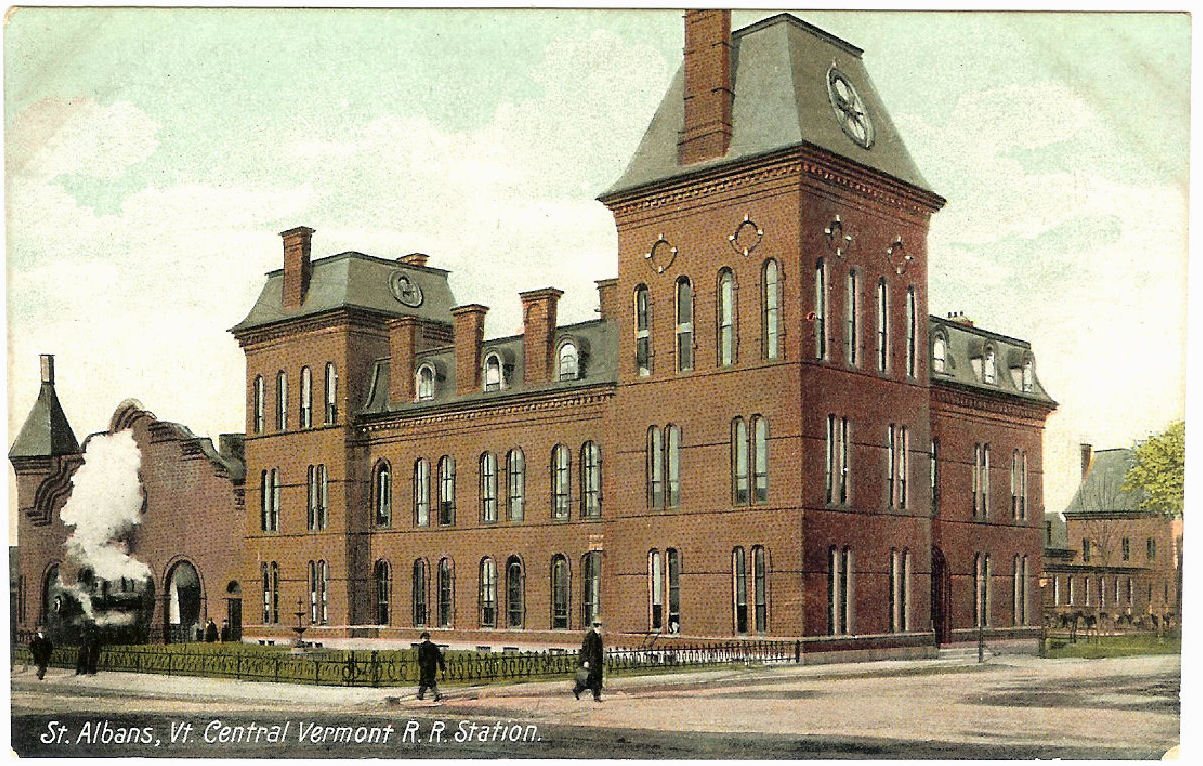

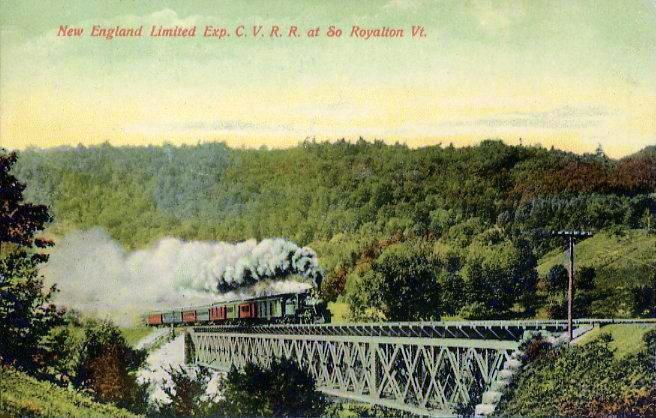

History and development
Emerging from earlier Vermont and regional rail enterprises, the Central Vermont became an important north–south corridor between Canadian markets and New England. Over time it absorbed and interchanged with several other railroads, adapting to changing traffic patterns. Like many northeastern railroads, it experienced a long 20th-century decline in passenger service and consolidation of freight operations, followed by restructuring in the late 20th century that transformed ownership and operating arrangements.
Routes, traffic and operations
The system's main line ran through rural and small-town landscapes, serving sugar, timber, paper, dairy and manufactured goods industries. Freight operations typically included local switching for customers, unit trains for bulk commodities, and interchange movements for regional and national traffic. The railroad also carried intercity and commuter passengers at various times, providing vital links between Montreal and U.S. destinations before widespread automobile and airline competition reduced ridership.
Equipment and infrastructure
Track and facilities reflected the regional character of the railroad: modest yards, engine facilities at strategic points, and a roster of locomotives and rolling stock suited to mixed freight and occasional passenger work. Maintenance needs, winter weather, and cross-border regulations shaped operational practices and the design of terminals and bridges.
Legacy and preservation
Following industry restructurings, much of the former Central Vermont network continued to carry freight under successor operators; sections were taken over by regional railroads and short-line companies to maintain local service. Preservation groups and local museums have documented the line's history, and parts of the corridor remain visible in the landscape as active track or rail-trail conversions. For more detailed historical material and route maps see regional archives and dedicated railway histories at sources and specialist sites.
- Primary service area: Vermont and adjacent New England states and Quebec.
- Key roles: freight artery, regional connector, occasional intercity passenger link.
- Modern status: many segments still in use under successor railroads or preserved by local initiatives.
Related articles
Author
AlegsaOnline.com Central Vermont Railway: history, routes, and legacy Leandro Alegsa
URL: https://en.alegsaonline.com/art/18087