
Chaise (light horse-drawn carriage)
Chaise: a light two- or four-wheeled horse-drawn vehicle with seating for one or two, often fitted with a folding hood (calash). Origins trace to French for “chair” and use in England from the 17th century.
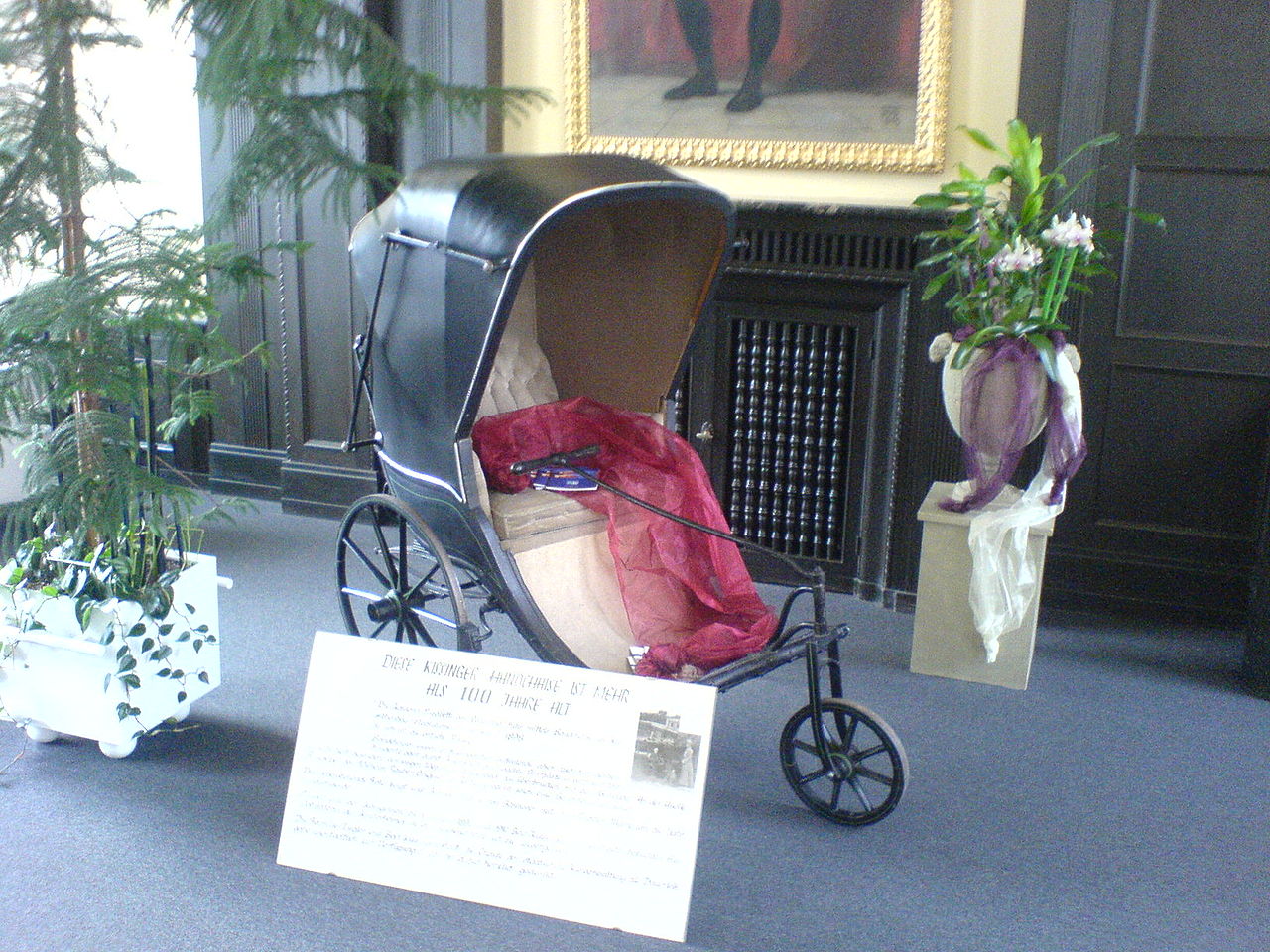
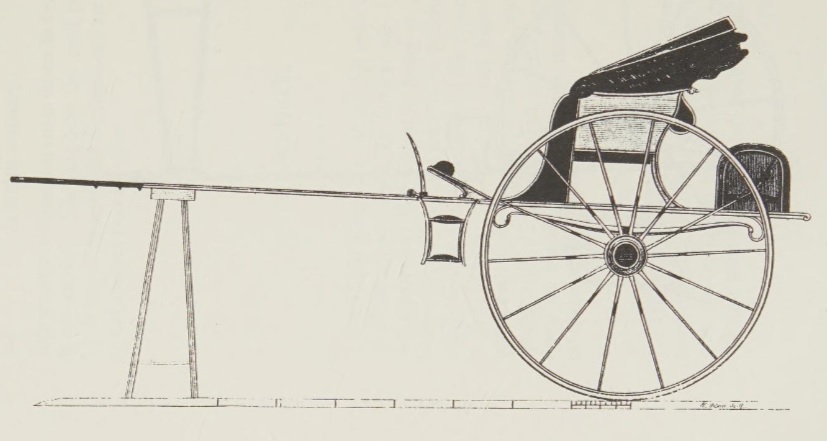
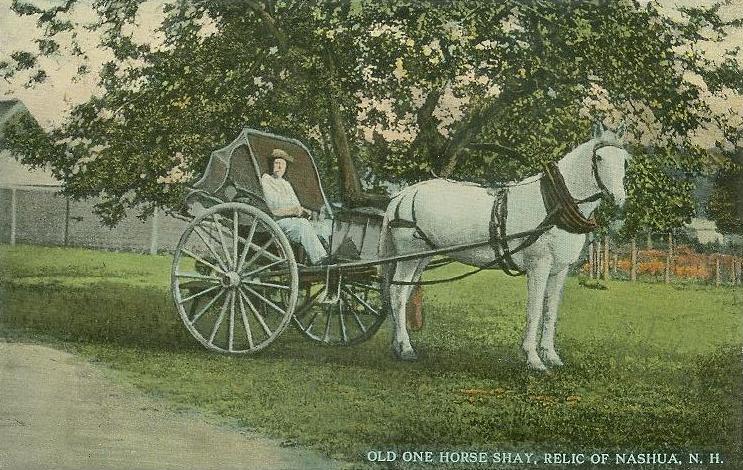
A chaise is a light, usually open, horse-drawn vehicle designed for one or two passengers. Built for speed, ease of handling and relatively short journeys, the chaise provided private and comfortable travel for individuals and couples before the age of motor transport. Its name derives from the French word for "chair", reflecting a transfer of the idea of a personal seat from the pedestrian sedan-chair to a wheeled conveyance.
Image gallery
7 Images


Design and features
Typical characteristics of a chaise include a narrow body, relatively light frame, and either two or four wheels. Many examples incorporate a folding hood known as a calash top that could be raised for protection from weather or lowered for a clearer view. Suspension was often simple—leather straps or springs—to reduce jolting on rough roads. The vehicle could be drawn by a single horse or a pair, depending on size and purpose.
- Seating: usually one or two people, sometimes with room for a small footman or driver.
- Wheels: two-wheeled varieties were more agile; four-wheeled models offered greater stability.
- Top: a folding calash hood provided weather protection.
- Propulsion: horse-drawn, typically by one animal for light chaises.
History and development
In England the term was in use before 1700 and reflected a borrowing from French; the French root meant a chair and was applied to conveyances that placed a person in a single seat. During the 18th and early 19th centuries the chaise was a common sight in towns and on country roads as a convenient personal vehicle. It occupied a social niche between the heavy stagecoach and the informal gig or cart, often chosen for private travel, visits and leisure drives.
Uses and cultural context
Chaises were used for short to medium journeys, errands, and promenading. Their lightness made them relatively fast and economical to operate. In literature and period art they often symbolize genteel mobility and private leisure. The word survives in a different form in furniture: the "chaise longue" (literally "long chair"), which is a reclining chair and not a carriage.
Variations and distinctions
Several regional and stylistic variants existed, ranging from very simple two-wheeled shays or chays to more elaborate four-wheeled chaises with enhanced suspension and ornament. It is important to distinguish the carriage called a chaise from the chaise longue furniture piece: despite the shared etymology, they serve very different functions. For further technical or historical details consult dedicated carriage references and period sources.
See also: carriage types overview, the French origin of the term French language entry, and the original sense of "chair" in several languages word history.
Related articles
Author
AlegsaOnline.com Chaise (light horse-drawn carriage) Leandro Alegsa
URL: https://en.alegsaonline.com/art/18354
Sources
- en.wikisource.org : "Chaise"