
Centenarian: a person who has reached the age of 100 or more
A centenarian is an individual who has lived to at least 100 years. This article covers definitions, rarity, verification, causes of longevity, notable examples, and the related category of supercentenarians.
A centenarian is a person who has reached the age of 100 years. The term is used in demographic studies, gerontology and popular discussion to describe exceptional lifespan. Because most people die before age 100, becoming a centenarian is commonly linked with studies of longevity and healthy aging. Centenarians are found worldwide, though their distribution varies by country, healthcare systems, and historical birth cohorts.
Image gallery
10 Images



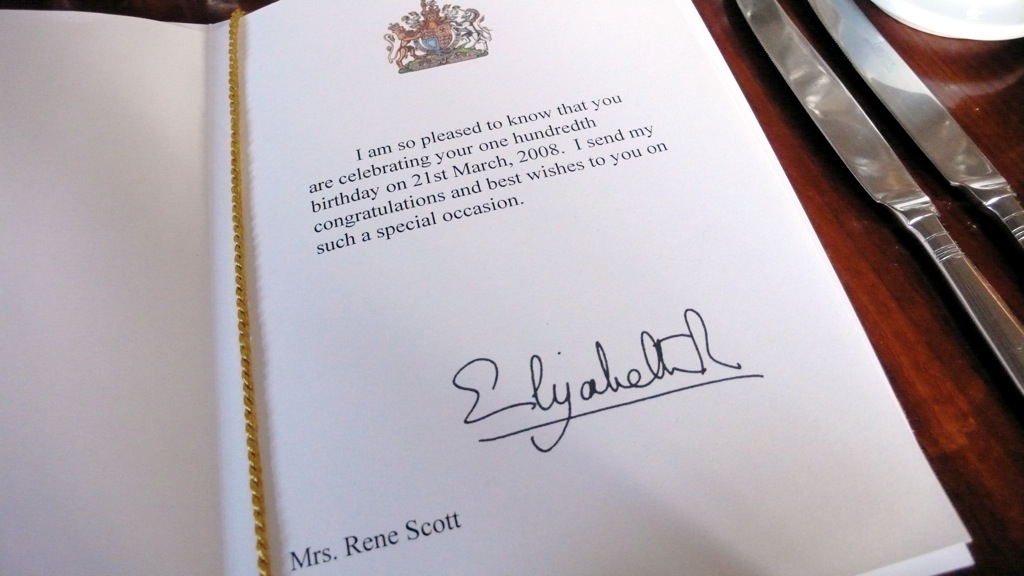

Definition and related terms
The basic threshold for the category is simple: 100 completed years of life. A related and much rarer category is the supercentenarian, someone who has reached 110 years. Researchers sometimes use additional distinctions (for example, semi-supercentenarian for those aged 105–109) to study patterns within the oldest-old populations. Being a centenarian does not by itself indicate health status; some reach 100 in relatively good condition, while others survive to the age with significant disability.
Where centenarians live and demographic notes
Records and surveys show that different countries report different numbers of centenarians. The United States is often cited as having the largest absolute number of centenarians, with other countries such as Japan also reporting high counts relative to population. The prevalence of centenarians generally increases with improved public health, medical care, and socioeconomic conditions; it also reflects the size of the birth cohort that is reaching extreme old age.
Causes, research and verification
Researchers study centenarians to learn about factors that contribute to long life. Common themes include genetics, diet and nutrition, physical activity, social engagement, and access to healthcare, but no single cause guarantees exceptional longevity. Because age claims at extreme ages can be subject to error or exaggeration, validation typically relies on birth and identity documents, census records and other contemporary sources. Specialist groups and demographic researchers maintain validated lists of the oldest-known individuals to reduce mistakes in reporting.
Notable examples and cultural significance
Centenarians and supercentenarians often attract public attention as symbols of long life. Some individuals who lived past 110 have become particularly well known. For example, Harry Patch, a veteran associated with the First World War trenches, reached an advanced age and died in 2009; his death was widely reported on 25 July 2009. Another well-known figure, Henry Allingham, was a noted First World War veteran who also lived to an extreme age. Stories of centenarians inform public conversations about aging, retirement, healthcare planning and the social value placed on long-lived people.
Practical considerations and notable facts
- Centenarian populations are increasing in many parts of the world as average lifespans rise, though their rarity means they remain a small share of the total population.
- Verification of extreme ages is important for research and historical accuracy; documentary evidence is the standard method.
- Studying centenarians provides insights into healthy aging and age-related disease resistance but does not yet offer prescriptive formulas for guaranteed longevity.
Overall, the term centenarian serves as a demographic milestone and a focus for scientific and cultural inquiry into what allows some people to reach the century mark in life. Continued research and improved record-keeping help clarify how common extreme old age is, which factors are most influential, and how societies adapt to larger numbers of elderly citizens.
Related articles
Author
AlegsaOnline.com Centenarian: a person who has reached the age of 100 or more Leandro Alegsa
URL: https://en.alegsaonline.com/art/17960