
Cesar Romero — American actor best known for the Joker on 1960s Batman
Cesar Romero (1907–1994) was an American stage, film, radio and television actor whose six-decade career ranged from romantic leads to character roles, including the Joker in the 1966 Batman series.
Cesar Julio Romero, Jr. was a prolific American performer whose career spanned nearly sixty years across stage, film, radio and television. He became widely recognizable for a mix of suave romantic parts, light comedies, period costume dramas and later, memorable television guest roles. Romero's most enduring pop-culture image is his colorful portrayal of the Joker in the 1966 Batman television series, which introduced the comic-book villain to a mass television audience.
Image gallery
8 Images


Early life and background
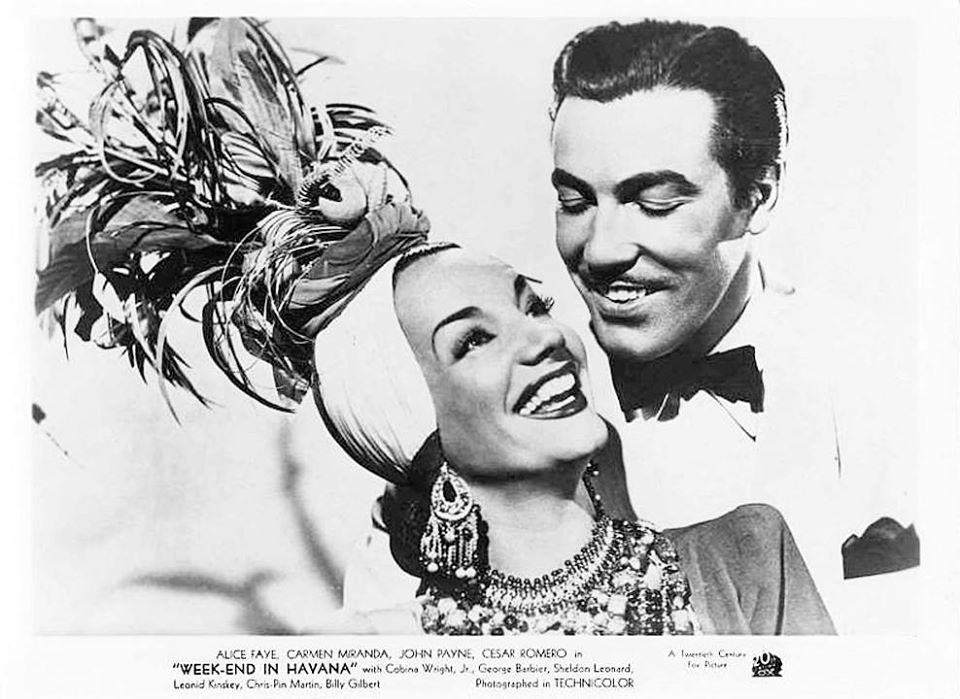
Romero was born in New York City on February 15, 1907, and spent part of his youth in Bradley Beach, New Jersey. He came from a family of mixed Hispanic and European background and was raised bilingually in a period when Hollywood often cast actors by type. His good looks and cultured bearing led to early work on stage and in the new sound films of the 1930s, where he was frequently cast as a dashing lead or supporting romantic interest. Contemporary notices and later biographies note his fluency in the social and theatrical circles of his time. For more about his early theatrical work see stage and theatre sources.
Screen persona and career
Across feature films, radio plays and television, Romero developed a screen persona that combined charm, wit and a polish suited to comedies and costume dramas. He appeared in a variety of studio pictures during Hollywood's studio era and later transitioned to radio and television, where the range of roles expanded to character parts and guest appearances. His adaptability allowed him to work steadily from the 1930s into the late 20th century. He was often noted in publicity and reviews for playing sophisticated lovers and flamboyant secondary characters; this versatility is discussed in retrospective profiles and filmographies (costume dramas and film roles).
Batman, the Joker, and television
Romero's turn as the Joker in the 1966 Batman television series is among his most famous credits. The performance combined theatricality and comic menace and introduced many viewers to the character in live-action form. A widely repeated anecdote from the production era describes how Romero, who sported a moustache, agreed to the role without shaving; makeup was applied over his moustache, a detail visible in production stills and interviews. His Joker appearances remain a frequent reference point in discussions of television adaptations of comic-book villains; see cast and episode guides at television histories and the show's pages at Batman-related resources.
Personal life, later years and death
Romero remained private about his personal life. He never married and guarded details of his relationships, as was common among many Hollywood figures of his generation. After a long career of varied parts, he retired from frequent acting work but continued to make occasional appearances. Romero died on January 1, 1994, in Santa Monica, California, at age 86. Reports of his death cite complications arising from a pulmonary embolism following bronchopneumonia; these circumstances were recorded in contemporary obituaries and medical notices (location and death, medical reports, cause of death).
Legacy and notable facts
Romero is remembered both for the breadth of his long career and for a handful of culturally resonant performances. He worked across media at a time when radio, film and television provided different career paths, and his ability to move between them speaks to his professional range. For further reading on his life, screen work and public image, consult biographical summaries and archival material available through film and television research services and biographical collections.
- Career span: nearly six decades.
- Most famous role: the Joker on TV's Batman (1966).
- Screen types: romantic leads, comedic characters, period roles.
- Birth and death: 1907–1994, New York City to Santa Monica.
Romero's body of work is routinely cited in studies of classic Hollywood and in retrospectives of television’s early comic-book adaptations. His example illustrates how a single, striking television role can shape public memory, even for an actor whose output was wide-ranging.
Tags
Related articles
Author
AlegsaOnline.com Cesar Romero — American actor best known for the Joker on 1960s Batman Leandro Alegsa
URL: https://en.alegsaonline.com/art/18234