
Cerdic of Wessex: founder of the West Saxon dynasty
Cerdic, traditionally named as the first king of the Gewisse (Wessex), is a foundational but partly disputed figure in early Anglo-Saxon history and the ancestor of later English kings.
The Anglo-Saxon Chronicle and later medieval sources present Cerdic as the earliest ruler of the West Saxon line. The Chronicle names him the first Anglo-Saxon King of the Gewisse, a people later referred to as Wessex. He is traditionally counted as the distant ancestor of subsequent rulers of England, culminating in notable monarchs such as Athelstan. These claims form the backbone of the West Saxon royal identity in later records.
Image gallery
3 Images
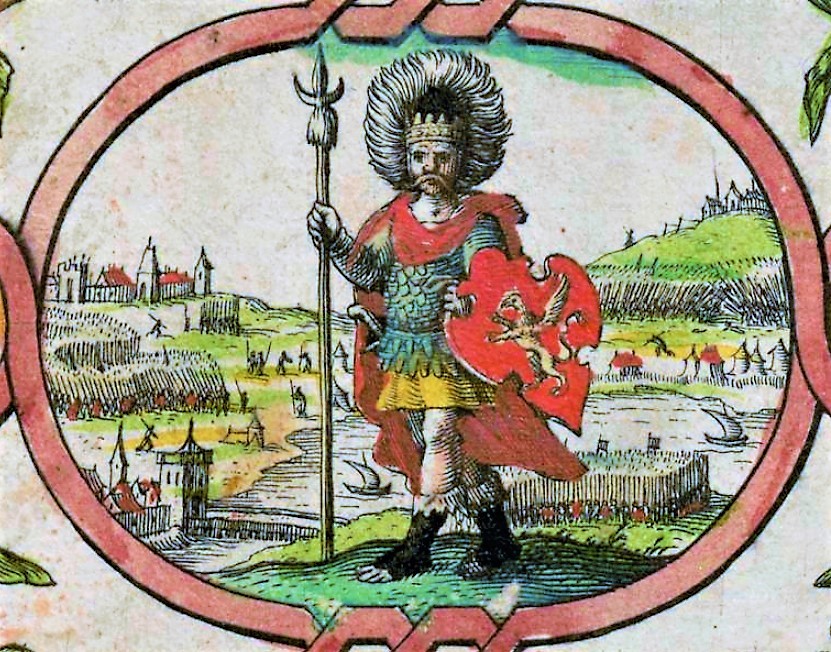

Background and identity
Cerdic is placed in the late 5th and early 6th centuries in surviving genealogies, with a traditionally recorded death in 534. Modern scholars treat many details as uncertain: the Chronicle entries are terse and were written centuries later, so the figure known as Cerdic may combine memory, local tradition, and political genealogy. His name and associations have prompted debate about whether he was of Germanic origin, a Briton who adopted Germanic culture, or a mixed leader in a changing post-Roman landscape.
Etymology and historic debate
The form of the name "Cerdic" has parallels with both Old English and Brittonic forms. Some historians suggest a derivation from a Celtic name, while others consider it a West Germanic name adapted in written sources. Because early Anglo-Saxon kingship and settlement were fluid, Cerdic's portrayal may reflect later dynastic construction used by West Saxon rulers to legitimize their claims.
Role and legacy
In tradition Cerdic is credited with military campaigns and the establishment of royal authority in parts of southern Britain. Whether he led a single migration or emerged as a dominant local leader, his importance lies less in firm historical detail than in his use as a founding ancestor. The dynasty that claimed descent from him—often called the House of Wessex—became central to the political consolidation that produced a kingdom later recognized as England.
Notable facts
- Primary record: brief entries in the Anglo-Saxon Chronicle and later royal genealogies.
- Historicity: treated as semi-legendary; archaeological evidence does not confirm specific deeds attributed to him.
- Importance: served as a dynastic founder for West Saxon and, later, English royal ideology.
Understanding Cerdic involves balancing sparse written accounts with archaeological and linguistic evidence and acknowledging the political motives of later chroniclers. His story illustrates how early medieval communities used ancestry and origin tales to build legitimacy and identity in a period of shifting populations and allegiances.
Questions and answers
Q: Who was Cerdic?
A: Cerdic was the first Anglo Saxon King of the Gewisse.
Q: What other title was Cerdic known by?
A: Cerdic was also known as the King of Wessex.
Q: When did Cerdic live and when did he die?
A: Cerdic lived until 534.
Q: Who descended from Cerdic?
A: The kings of Wessex and the Anglo-Saxon kings of England, starting with Athelstan, descended from Cerdic.
Q: What was Cerdic's role in the history of England?
A: Cerdic was an important progenitor of the Anglo-Saxon kings of England.
Q: What is the significance of the Gewisse?
A: The Gewisse was the tribe that Cerdic was the first Anglo Saxon King of.
Q: What is the legacy of Cerdic?
A: Cerdic's legacy is that he was the progenitor of many important and historically significant English kings.
Tags
Related articles
Author
AlegsaOnline.com Cerdic of Wessex: founder of the West Saxon dynasty Leandro Alegsa
URL: https://en.alegsaonline.com/art/18164